Category Archives: Blog

Understanding Pemphigus Vulgaris | Causes and Care Guide

Understanding Pemphigus Vulgaris: Causes, Symptoms, and Care

Pemphigus vulgaris is a rare but serious autoimmune skin condition that affects the skin and mucous membranes. It causes painful blisters and erosions that can significantly impact daily life if not treated promptly. Early diagnosis and proper care play a crucial role in managing this condition effectively.

With expert guidance from Dr. B. Jyothi at Lalitha Chest and Skin Hospital, this blog offers a clear and comprehensive overview of the condition, including its symptoms, causes, effective solutions, and available treatment options.

What is Pemphigus Vulgaris?

Pemphigus vulgaris occurs when the body’s immune system mistakenly attacks healthy skin cells. This leads to the breakdown of the connections between skin cells, resulting in fragile blisters that can easily rupture. These blisters often appear on the skin, inside the mouth, throat, nose, or genitals.

“Pemphigus vulgaris is a serious autoimmune condition, and emphasizes that early diagnosis along with consistent treatment is essential to control symptoms, prevent complications, and improve the patient’s quality of life,” says Dr. B. Jyothi, the best skin specialist in Karimnagar.

Causes of Pemphigus Vulgaris:

The exact cause of pemphigus vulgaris is not fully understood, but it is known to be an autoimmune disorder. Several factors may contribute to its development:

  • Immune system dysfunction: The body produces antibodies that attack proteins responsible for holding skin cells together.
  • Genetic predisposition: A family history may increase susceptibility.
  • Medications: Certain drugs, such as blood pressure medications, may trigger symptoms in some individuals.
  • Environmental triggers: Stress or infections may worsen the condition.

Symptoms of Pemphigus Vulgaris:

Symptoms may develop gradually or suddenly. Key signs include:

  • Painful, fluid-filled blisters on the skin
  • Sores in the mouth or throat
  • Blisters that break easily, leaving raw, open wounds
  • Difficulty eating or swallowing due to oral lesions
  • Skin peeling with slight rubbing (a clinical sign often noted by doctors)

If left untreated, these symptoms can lead to complications like infections and dehydration.

How is Pemphigus Vulgaris Diagnosed?

Diagnosis typically involves:

  • Physical examination of the skin and oral cavity
  • Skin biopsy to confirm cell separation
  • Blood tests to detect specific autoantibodies

Early and accurate diagnosis helps prevent complications and speeds up recovery.

Treatment and Care Options

While there is no permanent cure, pemphigus vulgaris can be effectively managed with the right treatment plan:

  1. Medications:
  • Corticosteroids to reduce inflammation
  • Immunosuppressants to control the immune response
  • Biologic therapies in severe cases.
  1. Wound Care:
  • Gentle cleaning of affected areas
  • Use of prescribed ointments to promote healing
  • Preventing infections with proper hygiene.
  1. Lifestyle Adjustments:
  • Eating soft foods to reduce mouth irritation
  • Avoiding spicy or acidic foods
  • Managing stress levels
  • Regular follow-ups with a dermatologist.

Possible Complications

Without proper care, pemphigus vulgaris can lead to:

  • Skin infections
  • Fluid loss and dehydration
  • Nutritional deficiencies
  • Side effects from long-term medication use

This makes continuous monitoring and medical guidance essential.

When to See a Doctor

Seek medical attention if you notice:

  • Persistent blisters or sores that don’t heal
  • Painful oral ulcers affect eating
  • Sudden spread of skin lesions

Understanding pemphigus vulgaris is the first step toward effective management. Although it is a chronic condition, timely diagnosis, proper treatment, and consistent care can help individuals lead a comfortable and healthy life. If you or a loved one experiences symptoms, consult a healthcare professional without delay.

If you are in Karimnagar and searching for terms like “pemphigus vulgaris treatment,” “allergy blisters treatment,” or “fever blisters on lips treatment,” Lalitha Chest and Skin Hospital is a trusted choice, where Dr. B. Jyothi provides personalized, expert care—visit our website or contact us to book your appointment today at: https://lalithachestandskinhospital.com/.
Allergic Asthma | Early Signs You Should Never Ignore

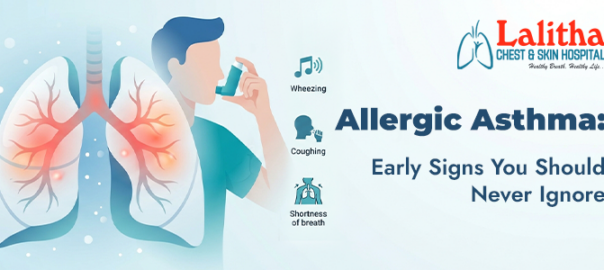
Allergic Asthma: Early Signs You Should Never Ignore

Allergic asthma is one of the most common types of asthma, triggered by allergens such as dust, pollen, pet dander, and mold. While it may begin with mild symptoms, ignoring the early warning signs can lead to severe breathing difficulties and long-term complications. Understanding these signs early can help you take timely action and manage the condition effectively.

So, with guidance from Dr. Raj Kumar Korra at Lalitha Chest and Skin Hospital, this blog delves into the causes, symptoms, treatment options, and preventive measures of viral Pneumonia.

What is Allergic Asthma?

“Allergic asthma occurs when your immune system overreacts to harmless substances in the environment. This reaction causes inflammation and narrowing of the airways, making it difficult to breathe. It often goes hand-in-hand with other allergic conditions like hay fever or eczema”, says Dr. Raj Kumar Korra, MD, a trusted asthma specialist in Karimnagar.

Early Signs of Allergic Asthma

Recognizing the early symptoms is crucial for preventing the condition from worsening. Here are the signs you should never ignore:

  1. Frequent Sneezing and Runny Nose: If you notice constant sneezing, nasal congestion, or a runny nose—especially after exposure to dust or pollen—it may indicate an allergic response that could lead to asthma.
  2. Persistent Cough: A dry cough that worsens at night or after exposure to allergens is a common early symptom. Many people mistake this for a minor throat irritation, but it could be an early warning sign.
  3. Shortness of Breath: Feeling breathless even during mild activities like walking or climbing stairs is not normal. This symptom indicates that your airways may be narrowing.
  4. Chest Tightness: A feeling of pressure or tightness in the chest can occur when the airways become inflamed. This is often one of the earliest signs people tend to overlook.
  5. Wheezing: A whistling or squeaky sound while breathing, especially during exhalation, is a key indicator of allergic asthma.
  6. Fatigue and Reduced Energy: Breathing difficulties can reduce oxygen supply, making you feel unusually tired or weak throughout the day.

Common Triggers of Allergic Asthma:

Understanding triggers can help you prevent flare-ups. Common triggers include:

  • Dust mites
  • Pollen
  • Pet dander
  • Mold spores
  • Air pollution
  • Strong odors or smoke
Why You Should Not Ignore These Signs

Ignoring early symptoms can lead to:

  • Severe asthma attacks
  • Chronic breathing problems
  • Reduced quality of life
  • Emergency hospital visits

Early diagnosis and treatment can help control symptoms and prevent complications.

When to See a Doctor?

You should consult a healthcare professional if:

  • Symptoms persist for more than a few weeks
  • Breathing difficulties increase over time
  • Over-the-counter medications do not provide relief
  • You experience frequent coughing or wheezing at night

Tips to Manage Allergic Asthma

  • Identify and avoid triggers
  • Keep your surroundings clean and dust-free
  • Use prescribed inhalers or medications regularly
  • Maintain a healthy lifestyle with proper diet and exercise
  • Monitor your symptoms and seek timely medical advice

Allergic asthma may start with mild symptoms, but ignoring the early signs can lead to serious health issues. Paying attention to your body and seeking medical care at the right time can make a significant difference. Early intervention not only helps in controlling the condition but also improves your overall quality of life.

If you or your loved ones are experiencing any of these symptoms, there’s no need to search endlessly for terms like “allergy and asthma specialists near me”,“asthma dr near me”, or “asthma doctor near me” in Karimnagar. You can visit Lalitha Chest and Skin Hospital directly, where Dr. Raj Kumar Korra, a leading lung specialist, provides expert care for allergic asthma. Book your appointment today by visiting our website: https://lalithachestandskinhospital.com/

Angioedema Treatment in Karimnagar | Causes and Symptoms

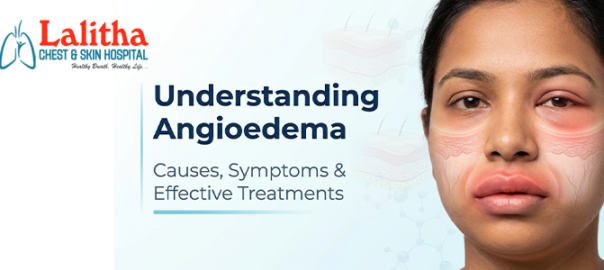
Understanding Angioedema: Causes, Symptoms, and Effective Treatments

Angioedema is a condition that causes sudden swelling beneath the skin, often affecting areas such as the face, lips, eyes, throat, hands, or feet. While it may appear similar to hives, angioedema occurs deeper in the skin and can sometimes become serious, especially if it affects breathing.

Understanding the causes, recognizing the symptoms, and learning how to manage angioedema can help prevent complications and improve overall quality of life.

With expert guidance from Dr. B. Jyothi at Lalitha Chest and Skin Hospital, this blog provides a clear and comprehensive overview of its symptoms, causes, effective solutions, and available treatment options.

What is Angioedema?

Angioedema is a type of swelling that develops in the deeper layers of the skin and mucous membranes. It is often linked to an allergic reaction, but can also occur due to non-allergic causes. The swelling may appear suddenly and last for several hours to a few days.

In some cases, angioedema can occur along with urticaria (hives), while in others, it may happen independently.

“Angioedema can develop suddenly and may become serious if not treated in time; however, early diagnosis, identification of triggers, and prompt medical care can effectively control symptoms and prevent complications,” says Dr. B. Jyothi, the best skin specialist in Karimnagar.

Causes of Angioedema:

Angioedema can be triggered by a variety of factors. Identifying the underlying cause is essential for effective treatment and prevention.

  1. Allergic Reactions:

Common allergens that may trigger angioedema include:

  • Certain foods (nuts, shellfish, eggs)
  • Medications (antibiotics, pain relievers)
  • Insect bites or stings
  • Latex
  1. Medication-Induced Angioedema:

Some medications, especially ACE inhibitors used for blood pressure control, are known to cause angioedema in certain individuals.

  1. Hereditary Angioedema:

This is a rare genetic condition caused by a deficiency or dysfunction of a protein called C1 inhibitor. It often leads to recurrent episodes of swelling without itching or hives.

  1. Infections and Illness:

Viral or bacterial infections and underlying medical conditions may also contribute to episodes of angioedema.

  1. Idiopathic Causes:

In some cases, the exact cause cannot be identified. This is known as idiopathic angioedema.

Symptoms of Angioedema

The symptoms of angioedema can vary from mild to severe and may include:

  • Sudden swelling beneath the skin
  • Puffiness around the eyes and lips
  • Swelling of the tongue or throat
  • Difficulty breathing (in severe cases)
  • Abdominal pain (especially in hereditary angioedema)
  • Non-itchy swelling (common in non-allergic types)

Symptoms may develop rapidly and can recur depending on the underlying cause.

When to Seek Immediate Medical Help

Angioedema can become life-threatening if it affects the airway. Seek urgent medical care if you experience:

  • Difficulty breathing or swallowing
  • Swelling of the throat or tongue
  • Dizziness or fainting
  • Rapid progression of swelling

Prompt treatment can prevent serious complications.

Diagnosis of Angioedema

To diagnose angioedema, a healthcare provider may:

  • Review your medical history and symptoms
  • Identify potential triggers
  • Conduct blood tests to check for allergies or genetic factors
  • Evaluate medication history

Accurate diagnosis helps in choosing the most effective treatment plan.

Effective Care and Treatment Options

Treatment for angioedema depends on its cause and severity.

  1. Antihistamines:

These are commonly used to treat allergic angioedema and help reduce swelling.

  1. Corticosteroids:

These medications help control inflammation and are often prescribed for more severe cases.

  1. Epinephrine:

In emergencies, especially during severe allergic reactions, epinephrine may be administered to quickly reduce symptoms.

  1. Avoiding Triggers:

Identifying and avoiding known triggers is one of the most effective ways to prevent future episodes.

  1. Specialized Treatments:

For hereditary angioedema, specific medications that target the underlying deficiency may be required.

Tips for Managing Angioedema

  • Keep a record of triggers and symptoms
  • Follow prescribed medications regularly
  • Avoid known allergens or triggers
  • Carry emergency medication if advised by your doctor
  • Schedule regular medical check-ups

Preventing Future Episodes

While not all cases can be prevented, you can reduce the risk by:

  • Avoiding trigger foods or medications
  • Managing underlying health conditions
  • Seeking early treatment when symptoms begin
  • Consulting a specialist for recurrent episodes

Angioedema is a condition that requires awareness and timely care. While many cases are mild and manageable, some can become serious if not treated promptly. Recognizing the symptoms early, identifying triggers, and following the right treatment plan can make a significant difference in managing the condition effectively.

If you or your loved ones experience recurring swelling or symptoms suggestive of angioedema, consult a healthcare professional for proper evaluation and care. Early intervention ensures better outcomes and peace of mind.

If you are in Karimnagar and searching for terms like “skin allergy swelling treatment,” “allergy eye swelling treatment,” or “allergies and facial swelling,” Lalitha Chest and Skin Hospital is a trusted choice, where Dr. B. Jyothi offers personalized and expert care. Visit our website or contact us to book an appointment at: https://lalithachestandskinhospital.com/.
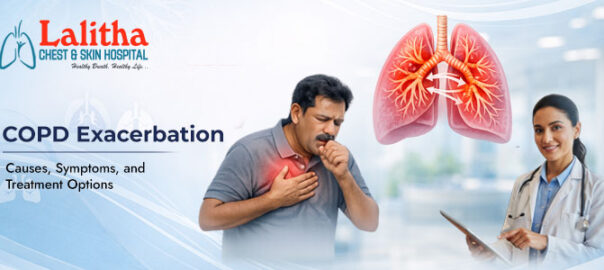
COPD Exacerbation | Causes, Symptoms, and Treatment Guide

COPD Exacerbation: Causes, Symptoms, and Treatment Options

Chronic Obstructive Pulmonary Disease (COPD) is a long-term lung condition that makes breathing difficult due to airflow blockage and inflammation in the airways. People living with COPD may occasionally experience sudden worsening of symptoms, known as a COPD exacerbation or COPD flare-up.

These episodes can significantly affect lung function and overall health if not treated at the right time. Understanding the causes, symptoms, and treatment options for COPD exacerbations can help patients manage the condition more effectively and avoid serious complications.

According to Dr. Raj Kumar Korra, MD, a leading pulmonologist in Karimnagar at Lalitha Chest and Skin Hospital, early recognition of COPD flare-ups and prompt treatment are key to maintaining better respiratory health.

What Is a COPD Exacerbation?

A COPD exacerbation is a sudden worsening of COPD symptoms that goes beyond normal day-to-day variations. During an exacerbation, the airways become more inflamed and narrowed, making breathing more difficult.

These flare-ups may last for several days or even weeks and often require additional medication or medical attention. Severe exacerbations can lead to hospitalization if not managed properly.

Common Causes of COPD Exacerbations

Several factors can trigger COPD flare-ups. Identifying these triggers can help patients reduce the risk of future episodes:

  1. Respiratory Infections:

Viral or bacterial infections are one of the most common causes of COPD exacerbations. Conditions such as the flu, common cold, or pneumonia can worsen airway inflammation and breathing difficulties.

  1. Air Pollution:

Exposure to pollutants like smoke, dust, chemical fumes, and vehicle emissions can irritate the lungs and trigger flare-ups.

  1. Smoking:

Smoking remains a major contributor to COPD progression and exacerbations. Even secondhand smoke can worsen symptoms.

  1. Weather Changes:

Cold air, high humidity, or sudden temperature changes may aggravate COPD symptoms in some individuals.

  1. Poor Medication Adherence:

Skipping prescribed medications or incorrect inhaler usage may lead to worsening symptoms and increased risk of exacerbations.

  1. Other Health Conditions:

Heart disease, allergies, or untreated respiratory conditions can sometimes trigger COPD flare-ups.

Symptoms of COPD Exacerbation

Recognizing early symptoms of a COPD exacerbation is important for timely treatment. Common warning signs include:

  • Increased shortness of breath
  • Frequent or severe coughing
  • Excess mucus production
  • Changes in mucus color or thickness
  • Wheezing or chest tightness
  • Fatigue or reduced energy levels
  • Fever or chills (if infection is present)

If these symptoms suddenly worsen or do not improve with regular medication, medical attention may be necessary.

Diagnosis of COPD Exacerbation

Healthcare providers evaluate COPD exacerbations using several methods, including:

  • Medical history review
  • Physical examination
  • Pulse oximetry to check oxygen levels
  • Chest X-ray to detect infections or complications
  • Blood tests to identify infections or inflammation
  • Sputum test to determine bacterial infections

These tests help determine the severity of the exacerbation and guide treatment decisions.

Treatment Options for COPD Exacerbation

Treatment aims to reduce symptoms, improve breathing, and prevent complications. Depending on the severity of the flare-up, doctors may recommend the following treatments:

  1. Bronchodilators:

Short-acting bronchodilators help relax airway muscles and improve airflow, providing quick relief from breathing difficulties.

  1. Corticosteroids:

Oral or inhaled corticosteroids reduce inflammation in the airways and help control symptoms during an exacerbation.

  1. Antibiotics:

When a bacterial infection is identified or suspected, doctors may prescribe antibiotics to eliminate the infection and help control the worsening of symptoms.

  1. Oxygen Therapy:

Patients with low oxygen levels may require supplemental oxygen to maintain proper oxygen saturation.

  1. Nebulizer Therapy:

Nebulizers deliver medication directly to the lungs in the form of a mist, making it easier for patients to breathe.

  1. Hospitalization:

Severe COPD exacerbations may require hospital care, especially if symptoms do not improve with initial treatment.

Tips to Prevent COPD Exacerbations

While exacerbations cannot always be avoided, certain lifestyle changes and preventive measures can reduce the risk:

  • Quit smoking and avoid secondhand smoke
  • Take medications exactly as prescribed
  • Use inhalers correctly
  • Get vaccinated against flu and pneumonia
  • Avoid exposure to air pollution and dust
  • Maintain regular medical check-ups
  • Follow a healthy diet and exercise routine recommended by your doctor

When to Seek Medical Help

Immediate medical attention is required if a person with COPD experiences:

  • Severe breathing difficulty
  • Bluish lips or fingernails
  • Confusion or extreme fatigue
  • High fever
  • Symptoms that do not improve with medication

Early treatment can prevent complications and improve recovery.

COPD exacerbations are serious episodes that can significantly affect lung health and quality of life. Recognizing early warning signs, avoiding triggers, and following the recommended treatment plan are essential for effective COPD management.

With proper care, lifestyle changes, and regular medical supervision, patients can reduce the frequency and severity of flare-ups and maintain better respiratory health.

If you are in Karimnagar and searching online for terms like “respiratory hospital near me,” “COPD exacerbation treatment,” or “respiratory doctor near me,” Lalitha Chest and Skin Hospital is a trusted destination. Under the expert care of Dr. Raj Kumar Korra, an experienced pulmonologist, patients receive reliable and personalized treatment. To book an appointment, please visit our website: https://lalithachestandskinhospital.com/

Scalp Disorders | Causes, Symptoms, and Treatments

Scalp Disorders Explained: Causes, Symptoms, and Treatment Options

A healthy scalp is the foundation of strong, beautiful hair. However, many people experience scalp issues at some point in their lives. From mild dandruff to more complex inflammatory conditions, scalp disorders can cause discomfort, itching, hair thinning, and even emotional stress.

With expert guidance from Dr. B. Jyothi at Lalitha Chest and Skin Hospital, this blog helps you understand the causes, symptoms, and available treatment options, empowering you to take the right steps toward healthier hair and skin.

What Are Scalp Disorders?

Scalp disorders are conditions that affect the skin on your head. They may be caused by fungal infections, bacterial growth, autoimmune reactions, allergies, poor hygiene, hormonal imbalances, or underlying medical conditions. Some disorders are temporary and mild, while others require medical attention and long-term management.

“Early identification of the root cause of scalp disorders and selecting the appropriate treatment can help prevent complications. Accurate diagnosis, personalized care, and timely medical attention are key to maintaining long-term scalp and hair health,” says Dr. B. Jyothi, skin and hair specialist in Karimnagar.

Common Types of Scalp Disorders:

  1. Dandruff (Seborrheic Dermatitis):

Causes:

  • Overgrowth of yeast (Malassezia)
  • Oily scalp
  • Stress and hormonal changes

Symptoms:

  • White or yellow flakes
  • Itchy scalp
  • Redness or irritation

Treatment:

  • Medicated anti-dandruff shampoos (ketoconazole, zinc pyrithione)
  • Regular scalp cleansing
  • Avoiding harsh hair products
  1. Psoriasis of the Scalp:

Causes:

  • Autoimmune response
  • Genetic predisposition
  • Triggers like stress or infections

Symptoms:

  • Thick, silvery scales
  • Dry patches
  • Burning or soreness

Treatment:

  • Topical corticosteroids
  • Coal tar or salicylic acid shampoos
  • Prescription medications in severe cases
  1. Tinea capitis (Scalp Ringworm):

Causes:

  • Symptoms:Fungal infection
  • Spread through shared combs, towels, or hats

Symptoms:

  • Circular bald patches
  • Scaling
  • Swollen lymph nodes (in some cases)

Treatment:

  • Oral antifungal medications
  • Medicated shampoos
  • Avoid sharing personal hair items
  1. Folliculitis:

Causes:

  • Bacterial infection
  • Excess oil
  • Sweat buildup

Symptoms:

  • Small red bumps
  • Pain or tenderness
  • Pus-filled lesions

Treatment:

  • Antibiotic creams or oral antibiotics
  • Gentle cleansing
  • Avoid tight hairstyles
  1. Folliculitis:

Causes:

  • Autoimmune condition attacking hair follicles
  • Family history

Symptoms:

  • Sudden round bald patches
  • Smooth, hairless areas

Treatment:

  • Corticosteroid injections
  • Topical immunotherapy
  • Hair regrowth treatments

Dandruff (Seborrheic Dermatitis):

While each condition has specific triggers, common contributing factors include:

  • Poor scalp hygiene
  • Excess oil production
  • Hormonal changes
  • Stress
  • Allergic reactions to hair products
  • Nutritional deficiencies
  • Underlying skin or immune disorders
When Should You See a Doctor?

Seek medical advice if you notice:

  • Persistent itching or pain
  • Sudden or excessive hair loss
  • Spreading rashes or swelling
  • Pus-filled lesions
  • Symptoms that do not improve with over-the-counter treatments

Early diagnosis helps prevent complications and long-term damage to hair follicles.

Preventive Tips for a Healthy Scalp
  • Wash your hair regularly with a suitable shampoo
  • Avoid sharing combs, brushes, or towels
  • Maintain a balanced diet rich in vitamins and minerals
  • Manage stress effectively
  • Use gentle, chemical-free hair products
  • Protect your scalp from excessive sun exposure

Scalp disorders are common but manageable with the right care and treatment. Recognizing early symptoms and seeking appropriate medical guidance can prevent complications and promote healthy hair growth. Whether it’s simple dandruff or a more serious inflammatory condition, timely intervention makes a significant difference.

If you are in Karimnagar and searching online for “dandruff treatment near me,” “hair fall treatment near me,” or “dermatologist hair specialist near me,” Lalitha Chest and Skin Hospital is a trusted destination. Dr. B. Jyothi, a renowned hair fall specialist, provides personalized and expert care—visit our website or contact us today to book your appointment: https://lalithachestandskinhospital.com/.
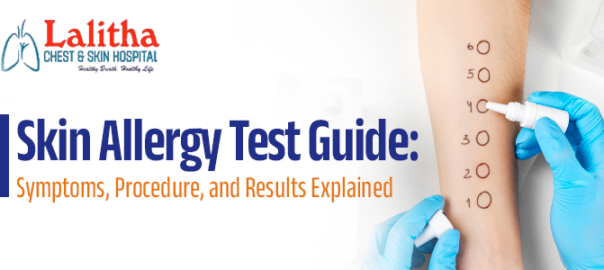
Skin Allergy Test Guide | Symptoms, Procedure, and Results

Skin Allergy Test Guide: Symptoms, Procedure, and Results Explained

Respiratory allergies are becoming increasingly common due to pollution, seasonal changes, and environmental triggers. Symptoms like sneezing, coughing, nasal congestion, and breathing discomfort can affect daily life and reduce overall well-being. Identifying the exact cause of an allergy is essential for effective treatment — and this is where respiratory allergy skin testing plays an important role.

Based on insights from Dr. Raj Kumar Korra of Lalitha Chest and Skin Hospital, this blog explains when testing may be needed, the symptoms to watch for, how the procedure works, and what your results actually mean.

What Is Allergy Skin Testing?

Respiratory allergy skin testing is a simple diagnostic procedure used to identify substances that trigger allergic reactions affecting the lungs and airways. These allergens may include dust mites, pollen, mold, pet dander, or certain environmental particles.

During the test, small amounts of suspected allergens are introduced to the skin to observe how the immune system reacts. The goal is to pinpoint the exact triggers so doctors can recommend personalized treatment and prevention strategies.

Respiratory allergy skin testing is an essential diagnostic tool that helps determine allergy triggers behind asthma, allergic rhinitis, and other respiratory conditions,” says Dr. Raj Kumar Korra, MD, a leading asthma specialist.

Common Symptoms That May Require Allergy Testing

Many people overlook early signs of respiratory allergies, assuming they are just seasonal colds. However, persistent symptoms may indicate an allergic condition rather than an infection.

Key warning signs include:

  • Frequent sneezing or a runny nose
  • Nasal blockage or sinus pressure
  • Chronic cough or throat irritation
  • Wheezing or shortness of breath
  • Itchy eyes, nose, or throat
  • Symptoms that worsen in dust, pollen seasons, or certain environments

If these issues persist for weeks or recur, your doctor may recommend a respiratory allergy skin test to identify the underlying cause.

Types of Respiratory Allergens Usually Tested

Skin testing often includes a panel of common airborne triggers. These may vary based on your location and lifestyle.

Common allergens include:

  • House dust mites
  • Pollen from trees, weeds, or grasses
  • Mold spores
  • Animal dander
  • Indoor pollutants or environmental particles

Identifying specific allergens helps reduce unnecessary medications and allows targeted treatment.

How the Skin Testing Procedure Works

One of the biggest advantages of respiratory allergy skin testing is that it is quick, minimally invasive, and usually completed within a short clinic visit.

Step-by-step process:

  1. Preparation: The skin, usually on the forearm or back, is cleaned.
  2. Application: Tiny drops of allergen extracts are placed on the skin.
  3. Skin Prick: A small sterile device lightly pricks the surface so the allergen enters the skin layer.
  4. Observation: After about 15–20 minutes, the doctor checks for reactions such as redness or swelling.

The procedure is generally well tolerated and does not require injections or complex preparation.

Is the Test Painful or Risky?

Most patients feel only a mild tingling or itching sensation during the test. Serious reactions are rare because the allergens are used in controlled amounts and testing is performed under medical supervision.

However, patients should always inform their doctor about:

  • Current medications
  • Severe asthma history
  • Previous allergic reactions

Following medical advice before the test ensures accurate and safe results.

Understanding Your Test Results

After the observation period, the doctor measures any skin reactions. A raised bump or redness may indicate sensitivity to a particular allergen.

What the results mean:

  • Positive Reaction: Suggests sensitivity to that allergen.
  • Negative Reaction: No significant response detected.
  • Clinical Correlation: Results are always interpreted along with symptoms and medical history.

A positive result does not always mean a severe allergy; it simply shows that your immune system recognizes that substance.

Benefits of Allergy Skin Testing

Accurate diagnosis helps both patients and healthcare providers make better treatment decisions.

Advantages include:

  • Quick and reliable results
  • Identification of specific triggers
  • Personalized allergy management plans
  • Reduced trial-and-error medication use
  • Improved long-term respiratory health

With the right diagnosis, patients can focus on prevention, lifestyle adjustments, and targeted therapy.

Preparing for the Test: Important Tips

To ensure accurate results, your doctor may advise you to stop certain antihistamine medications a few days before testing. Wearing comfortable clothing and informing the clinic about existing health conditions can also help make the process smoother.

When Should You See a Specialist?

If you experience frequent breathing issues, seasonal allergies, or persistent nasal symptoms, consulting an allergy or respiratory specialist is recommended. Early testing can prevent complications and improve quality of life.

If you’re in Karimnagar and searching online for “breathing allergy treatment,” “allergy asthma clinic near me,” or “asthma allergy specialist near me,” Lalitha Chest and Skin Hospital is a trusted destination. Under the expert care of Dr. Raj Kumar Korra, an experienced pulmonologist known for managing respiratory allergies, patients receive reliable, personalized treatment. To book an appointment, please visit our website: https://lalithachestandskinhospital.com/

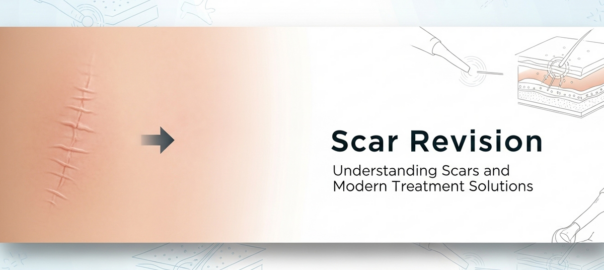
Scar Revision Treatment | Causes of Scars and Best Options

Scar Revision: Causes of Scarring and Available Treatment Options

Scars are a natural part of the body’s healing process after an injury or skin damage. While some scars fade over time, others may remain visible and affect a person’s confidence or comfort. Scar revision is a medical and cosmetic approach designed to improve the appearance, texture, and function of scars. Understanding why scars form and the treatment options available can help you make informed decisions about scar management.

“Scar revision aims to improve the appearance and texture of scars caused by acne, injuries, surgery, or burns through personalized treatment plans that deliver safe and natural-looking results,” says Dr. Jyothi, a leading skin specialist in Karimnagar at Lalitha Chest and Skin Hospital.

In this blog, you’ll learn what scars are, what causes them, the different types of scars, and the treatments available to reduce their appearance.

What Is a Scar?

A scar forms when the skin repairs itself after trauma such as a wound, burn, surgery, or acne. During healing, the body produces collagen fibers to close and protect the injured area. If collagen production is uneven or excessive, a visible scar may develop.

Scars can vary in size, shape, color, and depth depending on the cause of injury, skin type, and healing process.

Common Causes of Scarring

Scarring can occur due to several reasons, including:

  1.  Acne and Skin Infections

Severe acne, chickenpox, or skin infections can damage deeper layers of the skin, leading to permanent scars if not treated early.

  1.  Injuries and Accidents

Cuts, burns, and traumatic injuries often leave scars, especially when wounds are deep or improperly healed.

  1.  Surgical Procedures

All surgeries result in some degree of scarring. The size and visibility depend on surgical technique, wound care, and individual healing tendencies.

  1.  Burns

Thermal, chemical, or electrical burns can cause extensive scarring and may also affect skin flexibility and movement.

  1.  Genetics and Skin Type

Some individuals are more prone to developing thick or raised scars, such as keloids or hypertrophic scars, due to genetic factors.

Types of Scars

Different scars require different treatment approaches. Common types include:

  • Atrophic scars: Sunken or depressed scars, often caused by acne or chickenpox
  • Hypertrophic scars: Raised above the skin surface yet stay limited to the original wound location.
  • Keloid scars: Thick, raised scars that grow beyond the wound boundary
  • Contracture scars: Tight scars caused by burns that may restrict movement
  • Pigmented scars: Scars that appear darker or lighter than the surrounding skin
What Is Scar Revision?

Scar revision refers to medical treatments aimed at minimizing the appearance of scars and improving skin texture. While scars cannot be completely erased, modern dermatological procedures can significantly reduce their visibility and enhance skin tone and smoothness.

Available Scar Revision Treatment Options

Treatment selection depends on the scar type, size, location, and skin condition. Common options include:

  1. Topical Treatments

Medicated creams, silicone gels, and ointments help flatten raised scars, reduce redness, and improve skin texture over time.

  1. Chemical Peels

Chemical solutions are applied to exfoliate damaged skin layers, promoting new skin growth and improving superficial scars.

  1. Microneedling

This procedure stimulates collagen production by creating controlled micro-injuries in the skin, helping reduce acne scars and uneven texture.

  1. Laser Therapy

Laser treatments target scar tissue and pigmentation, improving color, thickness, and overall appearance with minimal downtime.

  1. Steroid Injections

Corticosteroid injections are effective for raised scars and keloids by reducing inflammation and flattening the scar tissue.

  1. Surgical Scar Revision

In some cases, surgical correction may be recommended to remove or reposition a scar, making it less noticeable.

  1. Combination Treatments

Often, a combination of therapies delivers better results than a single approach, depending on the severity of the scar.

Benefits of Scar Revision Treatment

  • Improves skin appearance and texture
  • Boosts self-confidence
  • Reduces discomfort, tightness, or itching
  • Enhances skin tone uniformity
  • Restores normal movement in contracture scars

When to Consult a Specialist

If a scar causes discomfort, restricts movement, or affects your confidence, it is advisable to consult a qualified dermatologist. Early evaluation allows for personalized treatment planning and better outcomes.

Scar revision offers effective solutions for improving the appearance and function of scars caused by acne, injuries, burns, or surgery. With advancements in dermatology, a wide range of safe and effective treatments are available to suit individual needs. Consulting a skin specialist is the first step toward achieving smoother, healthier-looking skin.

For expert guidance and effective scar revision solutions, we recommend scheduling an appointment with a qualified scar specialist. If you’re searching for “scar revision treatment,” “scar removal treatment,” or “pimple scar treatment,” your search ends here. Dr. B. Jyothi, a trusted scar removal specialist in Karimnagar at Lalitha Chest and Skin Hospital, offers advanced scar revision and comprehensive skin care treatments. For inquiries or appointments, please contact us at Lalitha Chest & Skin Hospital.

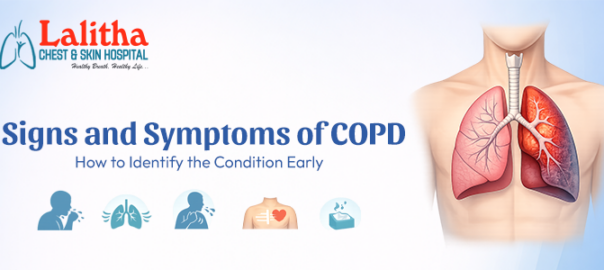
Signs and Symptoms of COPD | How to Identify It Early

Signs and Symptoms of COPD: How to Identify the Condition Early

Chronic Obstructive Pulmonary Disease (COPD) is a long-term lung condition that gradually affects breathing and overall lung function. It often develops slowly, and many people may not recognize the early signs until the condition becomes more serious. Identifying COPD in its early stages can help manage symptoms better and slow disease progression.

With clinical insights from Dr. Raj Kumar Korra of Lalitha Chest and Skin Hospital, this blog highlights the key signs and symptoms of COPD and explains when it’s important to consult a doctor for timely diagnosis and treatment.

What is COPD?

“COPD is a group of lung conditions, such as chronic bronchitis and emphysema, that lead to airflow limitation and breathing problems due to long-term damage to the lungs and airways. Although smoking is the primary cause, long-term exposure to air pollution, dust, chemicals, and second-hand smoke can also greatly increase the risk,” explains Dr. Raj Kumar Korra, MD, Pulmonologist in Karimnagar.

Early Signs and Symptoms of COPD

In the initial stages, COPD symptoms may appear mild and are often mistaken for normal aging or seasonal respiratory issues. Common early symptoms include:

  1. Persistent cough: A long-lasting cough that may produce mucus, especially in the morning
  2. Shortness of breath: Feeling breathless during physical activity or daily tasks
  3. Increased mucus production: Thick or frequent phlegm in the throat or chest
  4. Chest tightness: A feeling of pressure or discomfort in the chest
  5. Frequent respiratory infections: Repeated colds, flu, or chest infections

Symptoms as COPD Progresses

As COPD advances, symptoms tend to become more noticeable and may interfere with daily life. These can include:

  • Worsening breathlessness, even while resting
  • Wheezing or a whistling sound while breathing
  • Chronic fatigue due to reduced oxygen levels
  • Bluish lips or fingernails, indicating low oxygen in the blood
  • Swelling in the ankles or legs, caused by strain on the heart
When to See a Doctor?

You should consult a healthcare professional if you experience persistent coughing, increasing breathlessness, or frequent chest infections—especially if you have a history of smoking or long-term exposure to lung irritants. Early medical evaluation can help confirm the condition and prevent complications.

Importance of Early Diagnosis

Early detection of COPD allows for timely treatment, lifestyle changes, and better symptom control. Quitting smoking, following prescribed medications, practicing breathing exercises, and avoiding pollutants can significantly improve quality of life and slow lung damage.

Managing COPD Effectively

Although COPD is a chronic condition, it can be managed successfully with proper care. Treatment plans may include inhalers, pulmonary rehabilitation, vaccinations, and oxygen therapy in advanced cases. Regular follow-ups with a healthcare provider are essential for monitoring lung health.

Recognizing the signs and symptoms of COPD early is key to maintaining better lung function and overall well-being. If you notice ongoing respiratory issues, don’t ignore them. Early medical attention can make a meaningful difference in managing COPD and leading a healthier, more active life.

If you’re in Karimnagar and searching online for treatment on Google with terms like ” copd specialist near me,” ” copd treatment,” or ”chronic lung disease,” let us save you the time.

You can visit Lalitha Chest and Skin Hospital in Karimnagar, where Dr. Raj Kumar Korra, a leading lung specialist, provides expert diagnosis and treatment for COPD. To book an appointment, please visit our website: https://lalithachestandskinhospital.com/

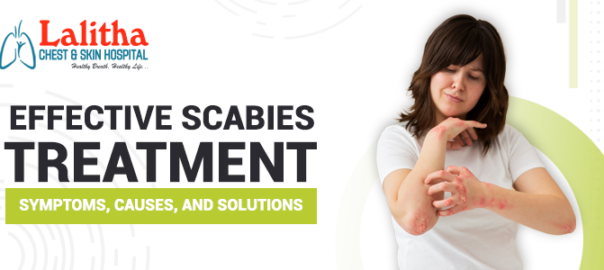
Effective Scabies Treatment | Symptoms, Causes and Solutions

Effective Scabies Treatment: Symptoms, Causes, and Solutions

Scabies is a common skin condition caused by tiny mites that burrow into the upper layer of the skin. Although it is not usually dangerous, scabies can be extremely uncomfortable and spreads easily if not treated on time. Understanding its symptoms, causes, and treatment options can help prevent complications and recurring infections.

With guidance from Dr. B. Jyothi of Lalitha Chest and Skin Hospital, this blog provides a clear and comprehensive overview of scabies, including its symptoms, causes, effective solutions, and available treatment options.

What is Scabies?

Scabies is a contagious skin condition caused by tiny mites that burrow into the upper layer of the skin. As these mites reproduce, they trigger an allergic response that results in severe itching and noticeable skin rashes. The infection can affect individuals of any age, regardless of lifestyle or background.

“Scabies is a common but easily treatable skin condition when identified early; however, delayed treatment due to lack of awareness often results in severe itching and spread within families. With proper medical care, correct use of prescribed medications, and timely treatment of close contacts, scabies can be completely cured,” says Dr. B. Jyothi, skin specialist in Karimnagar.

Common Symptoms of Scabies:

The symptoms of scabies usually develop a few weeks after the first exposure. In people who have had scabies before, symptoms may appear much sooner.

Common signs include:

  • Persistent itching, especially at night
  • Small red bumps, blisters, or rashes
  • Thin, irregular burrow lines on the skin
  • Sores caused by scratching
  • Thickened or crusted skin in severe cases

Scabies commonly affects areas such as the hands, wrists, elbows, waist, armpits, and between the fingers. In infants and elderly individuals, the scalp, face, and soles may also be involved.

Causes and How Scabies Spreads

Scabies spreads mainly through prolonged skin-to-skin contact. It can also spread through shared personal items such as bedding, clothing, or towels, especially in crowded living conditions.

Common causes include:

  • Close contact with an infected person
  • Sharing personal belongings
  • Living in crowded environments
  • Weakened immune system

Poor hygiene is not a direct cause of scabies, and anyone can get infected regardless of cleanliness.

Effective Scabies Treatment Options

Scabies does not go away on its own and requires medical treatment. Early diagnosis and proper treatment are essential to stop the spread and relieve symptoms.

Medicated Topical Treatments

Doctors commonly prescribe medicated creams or lotions that kill scabies mites and their eggs. These treatments are applied to the entire body as directed and washed off after a specific time.

Oral Medications

In severe or resistant cases, oral medication may be recommended. This is especially useful for crusted scabies or when topical treatments are not effective.

Managing Itching and Skin Irritation

Itching may continue for a few weeks even after successful treatment. Doctors may recommend soothing lotions or medications to reduce inflammation and discomfort.

Preventing Scabies Recurrence

To prevent scabies from returning:

  • Wash clothes, bedding, and towels in hot water
  • Avoid sharing personal items
  • Maintain clean living spaces
  • Complete the full course of treatment as advised

Prompt treatment and preventive measures significantly reduce the risk of reinfection.

When to See a Doctor

If itching persists, symptoms worsen, or signs of infection such as swelling or pus appear, it is important to consult a dermatologist. Early medical care ensures faster recovery and prevents complications.

Scabies is a treatable condition when identified early and managed properly. Recognizing the symptoms, understanding how it spreads, and following the right treatment plan can help relieve discomfort and stop the infection from spreading to others. With timely medical care and proper hygiene practices, complete recovery from scabies is achievable.

If you are in Karimnagar and searching for terms like “get rid of scabies,” “lice and scabies treatment,” or “scabies skin infection near me,” Lalitha Chest and Skin Hospital is a trusted choice, where Dr. B. Jyothi, a renowned scabies treatment specialist, offers personalized and expert care-visit our website or contact us to book an appointment at: https://lalithachestandskinhospital.com/.
Effective Scabies Treatment | Symptoms, Causes and Solutions

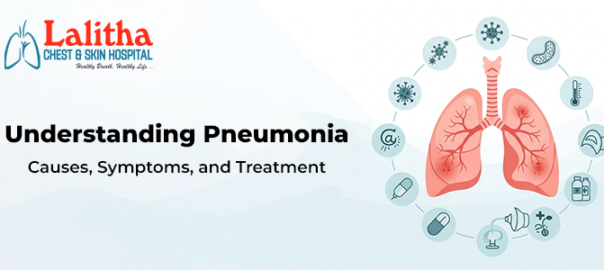
Understanding Pneumonia: Causes, Symptoms, and Treatment Explained

Pneumonia is a common yet potentially serious lung infection that affects people of all ages. Despite being widely known, many individuals are not fully aware of what causes pneumonia, how it presents, or the best ways to manage it. Understanding the condition can help you identify symptoms early and seek proper treatment on time.

Based on insights from Dr. Raj Kumar Korra of Lalitha Chest and Skin Hospital, this blog offers a comprehensive overview of pneumonia, including its causes, symptoms, and available treatment options.

What Is Pneumonia?

Pneumonia is a respiratory infection in which the tiny air sacs inside the lungs become swollen. When these air pockets fill with liquids such as mucus or pus, the lungs cannot expand normally, leading to difficulty breathing and reduced oxygen supply to the body.

Pneumonia can range from mild to life-threatening, depending on the person’s age, general health, and the type of germ causing the infection.

Pneumonia begins when an infection causes inflammation in the air sacs of the lungs; once symptoms progress, it can become a serious condition that requires timely medical care,” says Dr. Raj Kumar Korra, MD, Pulmonologist in Karimnagar.

Causes of Pneumonia

Pneumonia can be triggered by different microorganisms. The main causes include:

  1. Bacteria:

Bacterial pneumonia is one of the most common types. Streptococcus pneumoniae is often the primary culprit. It may occur on its own or after a cold or flu.

  1. Viruses:

Viruses such as influenza, RSV, and even coronaviruses can cause viral pneumonia. This form is usually milder but can become severe in older adults or people with weak immunity.

  1. Fungi:

Fungal pneumonia occurs when fungal spores are inhaled. It is more common in people with chronic health conditions or weakened immune systems.

  1. Other Factors:

Pneumonia can also occur due to aspiration—when food, liquids, or vomit accidentally enter the lungs.

Common Symptoms of Pneumonia

Pneumonia symptoms can vary widely depending on the cause and the person’s overall health. Common signs include:

  • Persistent cough (with or without mucus)
  • Fever, chills, or sweating
  • Shortness of breath
  • Chest pain, especially during breathing or coughing
  • Fatigue and weakness
  • Loss of appetite
  • Nausea or vomiting

In older adults, symptoms may be subtle—such as confusion, low energy, or a sudden decline in activity levels.

How Pneumonia Is Diagnosed

A doctor may use several methods to confirm pneumonia, such as:

  • Physical examination to listen for crackles or abnormal lung sounds
  • Chest X-ray to detect infection in the lungs
  • Blood tests to check for infection
  • Sputum tests to identify the organism causing pneumonia

Early diagnosis helps ensure timely and effective treatment.

Treatment Options for Pneumonia

The treatment depends on the cause and severity of the infection:

  1. Antibiotics: If bacteria are the cause, antibiotics are the main treatment. It’s important to complete the entire course even if symptoms improve.
  2. Antiviral Medications: These may be prescribed if viral pneumonia is suspected, particularly in severe cases.
  3. Antifungal Treatments: Fungal pneumonia requires specific antifungal medicines.
  4. Home Care Measures:

To support recovery, doctors may recommend:

  • Adequate rest
  • Drinking plenty of fluids
  • Using a humidifier
  • Over-the-counter fever reducers (as advised by a healthcare provider)
  1. Hospital Care: Severe pneumonia may require oxygen therapy, IV fluids, or intensive monitoring—especially for infants, older adults, or those with chronic illnesses.

Who is at Higher Risk?

Certain groups are more likely to develop pneumonia or experience severe complications:

  • Older adults (65+)
  • Infants and young children
  • Smokers
  • People with chronic conditions like asthma, COPD, heart disease, or diabetes
  • Individuals with weakened immunity

Preventing Pneumonia

While pneumonia cannot always be prevented, certain steps can reduce the risk:

  • Get vaccinated (flu shot, pneumococcal vaccines)
  • Wash hands regularly
  • Avoid smoking, as it weakens lung function
  • Maintain good hygiene
  • Boost immunity with a healthy diet and adequate rest

When to Seek Medical Attention

Consult a doctor immediately if you experience:

  • Difficulty breathing
  • Persistent high fever
  • Severe chest pain
  • Confusion or excessive fatigue
  • Symptoms that worsen instead of improving

Prompt medical attention can prevent complications and speed up recovery.

Pneumonia is a serious but treatable lung infection. Understanding its causes, recognizing the symptoms early, and seeking proper treatment can significantly improve outcomes. Staying vaccinated, following healthy habits, and protecting your lungs can go a long way in reducing your risk.

If you suspect pneumonia or experience persistent respiratory symptoms, don’t delay—reach out to a healthcare professional for proper evaluation and care.

If you’re in Karimnagar and searching online for terms like “pneumonia hospital near me,” “best doctor for pneumonia near me,” or “best lungs doctor near me,” Lalitha Chest and Skin Hospital is a trusted choice. Under the care of Dr. Raj Kumar Korra, an experienced pulmonologist known for effectively treating pneumonia, you can expect reliable and patient-focused treatment. To book an appointment, please visit our website: https://lalithachestandskinhospital.com/