
Tag Archives: best lung specialist near me

Allergic Asthma | Early Signs You Should Never Ignore

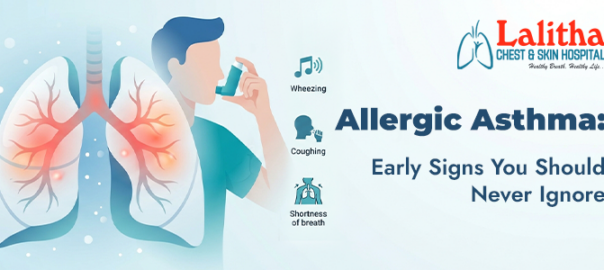
Allergic Asthma: Early Signs You Should Never Ignore

Allergic asthma is one of the most common types of asthma, triggered by allergens such as dust, pollen, pet dander, and mold. While it may begin with mild symptoms, ignoring the early warning signs can lead to severe breathing difficulties and long-term complications. Understanding these signs early can help you take timely action and manage the condition effectively.

So, with guidance from Dr. Raj Kumar Korra at Lalitha Chest and Skin Hospital, this blog delves into the causes, symptoms, treatment options, and preventive measures of viral Pneumonia.

What is Allergic Asthma?

“Allergic asthma occurs when your immune system overreacts to harmless substances in the environment. This reaction causes inflammation and narrowing of the airways, making it difficult to breathe. It often goes hand-in-hand with other allergic conditions like hay fever or eczema”, says Dr. Raj Kumar Korra, MD, a trusted asthma specialist in Karimnagar.

Early Signs of Allergic Asthma

Recognizing the early symptoms is crucial for preventing the condition from worsening. Here are the signs you should never ignore:

  1. Frequent Sneezing and Runny Nose: If you notice constant sneezing, nasal congestion, or a runny nose—especially after exposure to dust or pollen—it may indicate an allergic response that could lead to asthma.
  2. Persistent Cough: A dry cough that worsens at night or after exposure to allergens is a common early symptom. Many people mistake this for a minor throat irritation, but it could be an early warning sign.
  3. Shortness of Breath: Feeling breathless even during mild activities like walking or climbing stairs is not normal. This symptom indicates that your airways may be narrowing.
  4. Chest Tightness: A feeling of pressure or tightness in the chest can occur when the airways become inflamed. This is often one of the earliest signs people tend to overlook.
  5. Wheezing: A whistling or squeaky sound while breathing, especially during exhalation, is a key indicator of allergic asthma.
  6. Fatigue and Reduced Energy: Breathing difficulties can reduce oxygen supply, making you feel unusually tired or weak throughout the day.

Common Triggers of Allergic Asthma:

Understanding triggers can help you prevent flare-ups. Common triggers include:

  • Dust mites
  • Pollen
  • Pet dander
  • Mold spores
  • Air pollution
  • Strong odors or smoke
Why You Should Not Ignore These Signs

Ignoring early symptoms can lead to:

  • Severe asthma attacks
  • Chronic breathing problems
  • Reduced quality of life
  • Emergency hospital visits

Early diagnosis and treatment can help control symptoms and prevent complications.

When to See a Doctor?

You should consult a healthcare professional if:

  • Symptoms persist for more than a few weeks
  • Breathing difficulties increase over time
  • Over-the-counter medications do not provide relief
  • You experience frequent coughing or wheezing at night

Tips to Manage Allergic Asthma

  • Identify and avoid triggers
  • Keep your surroundings clean and dust-free
  • Use prescribed inhalers or medications regularly
  • Maintain a healthy lifestyle with proper diet and exercise
  • Monitor your symptoms and seek timely medical advice

Allergic asthma may start with mild symptoms, but ignoring the early signs can lead to serious health issues. Paying attention to your body and seeking medical care at the right time can make a significant difference. Early intervention not only helps in controlling the condition but also improves your overall quality of life.

If you or your loved ones are experiencing any of these symptoms, there’s no need to search endlessly for terms like “allergy and asthma specialists near me”,“asthma dr near me”, or “asthma doctor near me” in Karimnagar. You can visit Lalitha Chest and Skin Hospital directly, where Dr. Raj Kumar Korra, a leading lung specialist, provides expert care for allergic asthma. Book your appointment today by visiting our website: https://lalithachestandskinhospital.com/
Signs and Symptoms of COPD | How to Identify It Early

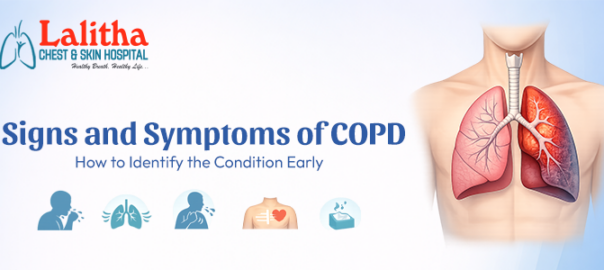
Signs and Symptoms of COPD: How to Identify the Condition Early

Chronic Obstructive Pulmonary Disease (COPD) is a long-term lung condition that gradually affects breathing and overall lung function. It often develops slowly, and many people may not recognize the early signs until the condition becomes more serious. Identifying COPD in its early stages can help manage symptoms better and slow disease progression.

With clinical insights from Dr. Raj Kumar Korra of Lalitha Chest and Skin Hospital, this blog highlights the key signs and symptoms of COPD and explains when it’s important to consult a doctor for timely diagnosis and treatment.

What is COPD?

“COPD is a group of lung conditions, such as chronic bronchitis and emphysema, that lead to airflow limitation and breathing problems due to long-term damage to the lungs and airways. Although smoking is the primary cause, long-term exposure to air pollution, dust, chemicals, and second-hand smoke can also greatly increase the risk,” explains Dr. Raj Kumar Korra, MD, Pulmonologist in Karimnagar.

Early Signs and Symptoms of COPD

In the initial stages, COPD symptoms may appear mild and are often mistaken for normal aging or seasonal respiratory issues. Common early symptoms include:

  1. Persistent cough: A long-lasting cough that may produce mucus, especially in the morning
  2. Shortness of breath: Feeling breathless during physical activity or daily tasks
  3. Increased mucus production: Thick or frequent phlegm in the throat or chest
  4. Chest tightness: A feeling of pressure or discomfort in the chest
  5. Frequent respiratory infections: Repeated colds, flu, or chest infections

Symptoms as COPD Progresses

As COPD advances, symptoms tend to become more noticeable and may interfere with daily life. These can include:

  • Worsening breathlessness, even while resting
  • Wheezing or a whistling sound while breathing
  • Chronic fatigue due to reduced oxygen levels
  • Bluish lips or fingernails, indicating low oxygen in the blood
  • Swelling in the ankles or legs, caused by strain on the heart
When to See a Doctor?

You should consult a healthcare professional if you experience persistent coughing, increasing breathlessness, or frequent chest infections—especially if you have a history of smoking or long-term exposure to lung irritants. Early medical evaluation can help confirm the condition and prevent complications.

Importance of Early Diagnosis

Early detection of COPD allows for timely treatment, lifestyle changes, and better symptom control. Quitting smoking, following prescribed medications, practicing breathing exercises, and avoiding pollutants can significantly improve quality of life and slow lung damage.

Managing COPD Effectively

Although COPD is a chronic condition, it can be managed successfully with proper care. Treatment plans may include inhalers, pulmonary rehabilitation, vaccinations, and oxygen therapy in advanced cases. Regular follow-ups with a healthcare provider are essential for monitoring lung health.

Recognizing the signs and symptoms of COPD early is key to maintaining better lung function and overall well-being. If you notice ongoing respiratory issues, don’t ignore them. Early medical attention can make a meaningful difference in managing COPD and leading a healthier, more active life.

If you’re in Karimnagar and searching online for treatment on Google with terms like ” copd specialist near me,” ” copd treatment,” or ”chronic lung disease,” let us save you the time.

You can visit Lalitha Chest and Skin Hospital in Karimnagar, where Dr. Raj Kumar Korra, a leading lung specialist, provides expert diagnosis and treatment for COPD. To book an appointment, please visit our website: https://lalithachestandskinhospital.com/

Understanding Lung Biopsy: Procedure, Purpose & What to Expect

Understanding Lung Biopsy: Procedure, Purpose, and What to Expect

A lung biopsy is a crucial medical procedure used to diagnose conditions affecting the lungs. Whether it’s to confirm or rule out diseases such as lung cancer, infections, or inflammatory conditions, a lung biopsy provides valuable insights that guide treatment decisions. This blog will walk you through what a lung biopsy is, why it’s done, the different methods used, and what you can expect during and after the procedure.

With expert guidance from Dr. Raj Kumar Korra at Lalitha Chest and Skin Hospital, this blog explores the different types of lung biopsy procedures, what to expect during the procedure, and the post-procedure care involved.

What is a Lung Biopsy?

“A lung biopsy involves taking a small sample of lung tissue to examine under a microscope. This sample helps doctors detect abnormalities in the cells, determine the cause of lung problems, and develop an appropriate treatment plan,” explains Dr. Raj Kumar Korra, MD, a leading lung specialist in Karimnagar.

Why is a Lung Biopsy Performed?

Doctors may recommend a lung biopsy for several reasons, including:

  1. Detecting lung cancer or tumors
  2. Diagnosing infections that don’t respond to treatment
  3. Identifying inflammatory or autoimmune lung conditions such as sarcoidosis or pulmonary fibrosis
  4. Evaluating abnormal findings on a chest X-ray or CT scan, such as nodules or masses

Types of Lung Biopsy Procedures:

There are several ways a lung biopsy can be performed, depending on the location of the abnormality, the patient’s overall health, and other diagnostic needs:

  1. Bronchoscopic Biopsy:

A flexible tube (bronchoscope) is inserted through the nose or mouth into the lungs. It’s commonly used when the abnormal tissue is near the airways.

  1. Needle Biopsy (Transthoracic Biopsy):

A thin needle is inserted through the chest wall to collect tissue. This is often guided by imaging techniques like CT or ultrasound.

  1. Surgical Biopsy:

This may be done through a small incision (thoracoscopy) or open surgery (thoracotomy) when other methods aren’t suitable or when a larger tissue sample is required.

What to Expect Before the Procedure

  • Pre-procedure evaluations may include imaging tests, blood work, and breathing tests.
  • Your doctor will review your medications and medical history.
  • You may be asked to avoid eating or drinking for a few hours before the procedure.

During the Procedure:

  • Local or general anesthesia will be used based on the type of biopsy.
  • The procedure can take anywhere from 30 minutes to a few hours.
  • The medical team will monitor your vital signs throughout.

After the Procedure:

  • You may need to stay in a recovery area for observation.
  • Mild discomfort, coughing, or a sore throat may occur temporarily.
  • In some cases, a chest X-ray is performed afterward to check for complications like a collapsed lung.

Risks and Complications:

Like any medical procedure, a lung biopsy carries some risks, though they are generally rare. These may include:

  • Bleeding
  • Infection
  • Pneumothorax (collapsed lung)
  • Reaction to anesthesia

Your doctor will take precautions to minimize these risks and manage any complications quickly if they arise.

A lung biopsy can be an essential step in identifying the cause of lung issues and helping doctors deliver effective, targeted treatment. If your doctor recommends a lung biopsy, understanding the purpose and process can help ease your concerns and prepare you for the journey ahead.

If you have questions or feel anxious about the procedure, don’t hesitate to talk with your healthcare provider—they are there to guide you every step of the way.

If you’re in Karimnagar and searching for terms like lung cancer removal surgery, lung cancer biopsy procedure near me, or bronchoscopy biopsy for lung cancer in Karimnagar, visit Lalitha Chest and Skin Hospital. Dr. Raj Kumar Korra, a leading pulmonologist in Karimnagar, specializes in advanced lung biopsy treatments. Book your appointment today by visiting our website: https://lalithachestandskinhospital.com/