Category Archives: Blog

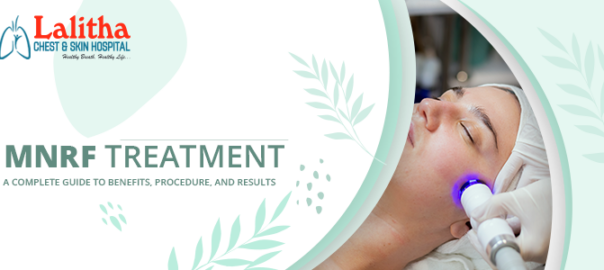
MNRF Treatment: Benefits, Procedure & Results Guide

MNRF Treatment: A Complete Guide to Benefits, Procedure, and Results

Microneedling Radiofrequency (MNRF) has become one of the most trusted dermatological treatments for improving skin texture, reducing scars, tightening loose skin, and enhancing overall skin quality. It combines the power of microneedling with controlled radiofrequency energy, offering deeper and more effective skin rejuvenation than traditional methods. If you’re considering MNRF therapy, this complete guide will help you understand what it is, how it works, and what results you can expect.

“MNRF Treatment provides a safe and effective approach to improving skin texture, reducing scars, and enhancing overall skin quality,” says Dr. B. Jyothi, the best dermatologist in Karimnagar, emphasizing the importance of personalized evaluation and regular sessions to achieve the best possible results.

In this blog, we’ll take a closer look at what MNRF is, how the treatment works, its key benefits, the procedure involved, and the most effective options available today.

What is MNRF Treatment?

MNRF (Microneedling Radiofrequency) is a modern skin rejuvenation technique that combines the use of fine, sterile needles with controlled radiofrequency energy. As the needles gently create tiny channels in the skin, the RF energy is delivered into deeper layers, encouraging natural repair and renewal.

This process enhances collagen and elastin production, making the treatment effective for improving acne scars, reducing wrinkles, minimizing stretch marks, tightening loose skin, and refining overall skin texture. It is safe and suitable for all skin types.

How Does MNRF Work?

The treatment is performed using a specialized device equipped with fine needles. When the device glides over the skin:

  1. Microneedles penetrate the upper layer of the skin, creating controlled micro-injuries.
  2. Radiofrequency energy is delivered through the needles into deeper layers.
  3. Collagen remodeling begins, helping the skin repair, tighten, and regenerate over the next few weeks.

This combination ensures deeper penetration and more dramatic results compared to standard microneedling.

Benefits of MNRF Treatment

MNRF is popular for its wide range of benefits:

  • Reduces Acne Scars: Helps break down old scar tissue and stimulates new collagen formation, making scars less visible.
  • Improves Skin Texture: Minimizes pores, roughness, and uneven skin tone.
  • Tightens Loose Skin: Radiofrequency energy enhances skin firmness by boosting elastin and collagen.
  • Reduces Fine Lines & Wrinkles: Smoothens aging signs and promotes youthful-looking skin.
  • Minimizes Stretch Marks: Helps repair deeper skin layers responsible for stretch marks.
  • Safe for All Skin Types: Since RF energy is color-neutral, it suits Indian and darker skin tones perfectly.

Who is an Ideal Candidate?

You may benefit from MNRF if you have:

  • Acne scars
  • Enlarged pores
  • Sagging skin
  • Fine lines or mild wrinkles
  • Stretch marks
  • Uneven or rough skin texture

A dermatologist can determine the right treatment plan based on your skin type and goals.

The MNRF Procedure: Step-by-Step

Here’s what typically happens during an MNRF session:

  1. Skin Cleansing: The skin is thoroughly cleaned to remove makeup, oil, or impurities.
  2. Application of Numbing Cream: A topical anesthetic is applied to ensure minimal discomfort.
  3. MNRF Device Application: The dermatologist uses the MNRF device to target specific areas. You may feel mild heat or pressure.
  4. Post-Treatment Care: A soothing serum or cooling gel is applied to calm the skin.

The entire procedure usually takes 30–60 minutes, depending on the area treated.

Aftercare Tips:

To ensure safe healing and best results:

  • Avoid sun exposure for 2–3 days
  • Apply sunscreen regularly
  • Do not use makeup for at least 24 hours
  • Avoid exfoliants or active skincare for a week
  • Use gentle moisturizers as recommended

When Will You See Results?

You may notice early improvements within 7–10 days, but the full results appear gradually as collagen builds up. Most people require 3–4 sessions, spaced 4–6 weeks apart, for optimal outcomes.

Are There Any Side Effects?

MNRF is considered safe, with minimal downtime. Some temporary effects may include:

  • Mild redness
  • Slight swelling
  • Tenderness

These usually subside within a day or two.

MNRF treatment is a powerful option for anyone looking to improve scars, tighten skin, and achieve a smoother, more youthful complexion. With minimal downtime and long-lasting benefits, it has become one of the most advanced skin rejuvenation techniques available today.

Always consult an experienced dermatologist to determine your ideal treatment plan and ensure safe, customized care.

For personalized guidance and effective treatment options, consulting a qualified dermatologist is essential. If you’ve been searching for “best skin treatments for aging skin,” “MNRF treatment for stretch marks,” or “best treatment for facial wrinkles,” look no further. Dr. B. Jyothi, Karimnagar’s trusted specialist for MNRF treatments, offers advanced solutions tailored to your skin needs. For appointments or inquiries, please contact us at Lalitha Chest & Skin Hospital.
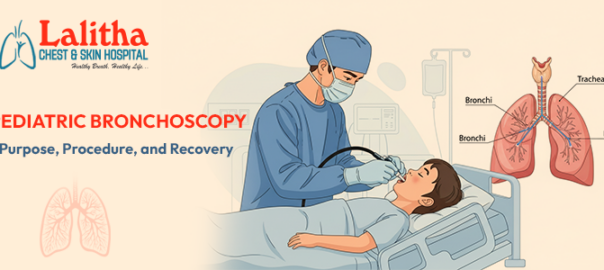
Pediatric Bronchoscopy: Purpose, Procedure & Recovery Guide

Understanding Pediatric Bronchoscopy: Purpose, Procedure, and Recovery

Pediatric bronchoscopy is a specialized diagnostic and therapeutic procedure used to examine a child’s airways, including the throat, windpipe, and lungs. It allows doctors to identify and treat various respiratory problems that may not be visible through regular imaging tests like X-rays or CT scans. This minimally invasive procedure plays a crucial role in understanding the cause of persistent cough, breathing difficulties, or recurrent lung infections in children.

With expert insights from Dr. Raj Kumar Korra at Lalitha Chest and Skin Hospital, this blog explores the purpose, procedure, and recovery process in detail.

What Is Pediatric Bronchoscopy?

“A bronchoscopy involves inserting a thin, flexible tube called a bronchoscope through the nose or mouth into the lungs. The tube has a light and a camera that help the pulmonologist clearly view the airways. In children, this procedure is performed by a pediatric pulmonologist with expertise in handling delicate airways and ensuring maximum safety and comfort,” explains Dr. Raj Kumar Korra, MD, the best pulmonologist in Karimnagar.

Depending on the case, doctors may use:

  • Flexible bronchoscopy: Commonly used for diagnosis and minor treatments.
  • Rigid bronchoscopy: Used for removing foreign objects or treating major airway blockages.

Purpose of Pediatric Bronchoscopy:

Doctors recommend bronchoscopy for children when symptoms or imaging tests suggest airway or lung problems. Some common reasons include:

  1. Persistent cough or wheezing
  2. Recurrent lung infections
  3. Difficulty breathing or noisy breathing
  4. Unexplained chest X-ray finding
  5. Suspected inhalation of a foreign object (like food or a small toy)
  6. Evaluation of airway abnormalities or structural defects
  7. Collection of mucus or tissue samples for laboratory testing

By directly visualizing the airways, the doctor can make an accurate diagnosis and plan the most effective treatment.

How the Procedure Is Performed:

Before the procedure, the child may be given sedation or general anesthesia to ensure they are comfortable and relaxed. During bronchoscopy:

  1. The doctor carefully guides the bronchoscope through the child’s nose or mouth into the airways.
  2. The camera provides a clear view of the airways on a monitor.
  3. The doctor may take mucus or tissue samples (biopsy) if needed.
  4. If any blockages or foreign bodies are found, they can often be removed during the same procedure.

The entire process typically takes 20 to 45 minutes, depending on the complexity.

Post-Procedure Care and Recovery

After the bronchoscopy, the child is monitored until the effects of anesthesia wear off. Mild throat discomfort, coughing, or hoarseness is common and typically resolves within one to two days.

Parents are advised to:

  • Offer soft foods and plenty of fluids once the child can swallow comfortably.
  • Avoid strenuous activity for the rest of the day.
  • Follow the doctor’s instructions regarding medications or follow-up visits.

If your child experiences persistent breathing difficulty, high fever, or severe chest pain, contact your healthcare provider immediately.

Is Pediatric Bronchoscopy Safe?

Yes, pediatric bronchoscopy is generally safe when performed by experienced specialists. Modern equipment and advanced anesthesia techniques have made the procedure low-risk. Complications such as infection or bleeding are rare and are carefully managed by the medical team.

Pediatric bronchoscopy is a valuable diagnostic tool for identifying and treating various respiratory conditions in children. It helps doctors visualize the airways directly, leading to accurate diagnoses and effective care. With skilled pediatric pulmonologists and proper post-procedure care, most children recover quickly and comfortably.

If your child has ongoing breathing issues or unexplained respiratory symptoms, consult a pediatric pulmonologist to determine if bronchoscopy might help identify the underlying cause.

If you’re in Karimnagar and searching for terms like “bronchoscopy for lung cancer,” “bronchoscopy treatment,” or “lung cancer bronchoscopy biopsy,” visit Lalitha Chest and Skin Hospital. Dr. Raj Kumar Korra, a leading lung specialist in Karimnagar, offers advanced and precise lung care. Book your appointment today by visiting our website: https://lalithachestandskinhospital.com/

Latest HIV/AIDS Treatment | Modern Advances & Effective Care

Understanding HIV/AIDS Treatments: Latest Advances and Effective Options

Over the past few decades, the treatment landscape for HIV (Human Immunodeficiency Virus) and AIDS (Acquired Immunodeficiency Syndrome) has changed dramatically. What was once considered a life-threatening illness has now become a manageable chronic condition, thanks to continuous medical research and advanced treatment options.

“HIV/AIDS is no longer a fatal disease but a manageable condition with proper treatment and regular medical follow-ups,” says Dr. B. Jyothi, the best skin specialist in Karimnagar, emphasizing the importance of early diagnosis and consistent adherence to antiretroviral therapy for effective management.

In this blog, let’s explore how HIV treatments work, the latest innovations in therapy, and the most effective options available today.

What Is HIV and How It Affects the Body?

HIV is a virus that weakens the immune system by attacking CD4 cells (T-cells)—the body’s primary defense against infections. Over time, if left untreated, the virus reduces the body’s ability to fight off infections and diseases, eventually leading to AIDS, the most advanced stage of HIV infection.

Goals of HIV Treatment

The main goal of HIV treatment is to control the virus, improve the quality of life, and prevent transmission to others. With timely diagnosis and proper medical care, individuals living with HIV can lead long, healthy lives. Effective treatment also helps keep the viral load so low that it becomes undetectable, meaning the virus cannot be transmitted sexually — a concept known as U=U (Undetectable = Untransmittable).

Antiretroviral Therapy (ART): The Foundation of HIV Treatment

The core of HIV management is Antiretroviral Therapy (ART) — a combination of medications that stops the virus from multiplying in the body. By doing so, ART helps:

  • Maintain a strong immune system
  • Reduce the risk of HIV transmission
  • Improve overall health and longevity

Modern ART regimens are simpler and more effective than ever before. In most cases, treatment involves taking just one pill a day, combining multiple drugs into a single dose.

Latest Advances in HIV Treatment

In recent years, there have been several breakthroughs in HIV treatment that are transforming the way patients manage the disease:

  1. Long-Acting Injectable Treatments:

Instead of taking daily pills, patients can now receive monthly or bi-monthly injections that keep the virus under control. This approach is convenient and helps improve treatment adherence.

  1. Pre-Exposure Prophylaxis (PrEP) and Post-Exposure Prophylaxis (PEP):
  • PrEP is a preventive medication taken by people who are at high risk of contracting HIV.
  • PEP is used after possible exposure to the virus and must be started within 72 hours.

Both options are highly effective when taken correctly.

  1. New Drug Formulations:

Researchers are developing drugs with fewer side effects, better resistance profiles, and longer duration of action, making treatment safer and more comfortable for patients.

  1. Gene Therapy and Immune Modulation:

Ongoing studies are exploring how gene editing technologies like CRISPR can potentially remove or disable the virus from infected cells — a step toward finding a functional cure.

Effective Treatment Options Available Today

Some of the most commonly prescribed classes of antiretroviral drugs include:

  • Nucleoside Reverse Transcriptase Inhibitors (NRTIs) – e.g., Tenofovir, Emtricitabine
  • Non-Nucleoside Reverse Transcriptase Inhibitors (NNRTIs) – e.g., Efavirenz, Rilpivirine
  • Protease Inhibitors (PIs) – e.g., Atazanavir, Darunavir
  • Integrase Strand Transfer Inhibitors (INSTIs) – e.g., Dolutegravir, Bictegravir

Your healthcare provider will recommend a combination that best suits your health status, lifestyle, and potential drug interactions.

Living Well with HIV

With proper treatment and regular monitoring, individuals living with HIV can expect a near-normal lifespan. Maintaining a healthy lifestyle — including balanced nutrition, exercise, mental wellness, and adherence to medications — plays a key role in overall well-being.

The Road Ahead: Hope for a Cure

While there is still no permanent cure for HIV, ongoing research brings continuous progress. Scientists are working toward developing therapeutic vaccines and gene-based treatments that could one day eliminate the virus. Until then, early diagnosis and consistent treatment remain the most effective ways to manage HIV and prevent its spread.

The journey of HIV treatment is one of the most remarkable achievements in modern medicine. Today, with advanced therapies and greater awareness, HIV is no longer a death sentence but a manageable condition. Staying informed, seeking timely medical care, and following prescribed treatment can make a world of difference for those affected.

For expert guidance and effective treatment options, it’s highly recommended to schedule an appointment with a specialized dermatologist. If you’re searching online for “HIV AIDS doctor near me,” “AIDS specialist near me,” or “AIDS doctor near me,” your search ends here! Dr. B. Jyothi, Karimnagar’s trusted HIV and AIDS specialist, provides advanced AIDS and skin care treatments. For inquiries or appointments, please contact us at Lalitha Chest & Skin Hospital.
What to Expect During Pleural Fluid Aspiration | Patient Guide

A Patient’s Guide to Pleural Fluid Aspiration: Diagnosis and Treatment Insights

Pleural fluid aspiration, also known as thoracentesis, is a common medical procedure that helps doctors diagnose and treat conditions affecting the lungs and the pleural space — the thin area between the lungs and chest wall. If your doctor has recommended this procedure, understanding what it involves can help ease any worries and prepare you for a smooth experience.

What is Pleural Fluid Aspiration?

The lungs are surrounded by two layers of tissue called the pleura, and between them is a small amount of fluid that allows smooth lung movement during breathing. However, due to infections, heart failure, lung disease, or other conditions, excess fluid can build up in this space — a condition known as pleural effusion, ” says Dr. Raj Kumar Korra, MD, the best pulmonologist in Karimnagar.

Pleural fluid aspiration is a procedure performed to remove some of this fluid for diagnostic or therapeutic purposes:

  • Diagnostic aspiration: Helps determine the cause of the fluid buildup.
  • Therapeutic aspiration: Helps relieve symptoms such as shortness of breath or chest discomfort.

With expert insights from Dr. Raj Kumar Korra at Lalitha Chest and Skin Hospital, this blog explores what pleural fluid aspiration is, why it is necessary, the procedure involved, post-procedure care, and diagnostic methods. Read on to learn more:

Why Is Pleural Fluid Aspiration Needed?

Your doctor may recommend this procedure if you experience symptoms like:

  • Persistent shortness of breath
  • Chest pain that worsens with deep breaths
  • Cough or heaviness in the chest
  • Abnormal chest X-ray or ultrasound findings

Common conditions that may cause pleural effusion include:

  • Pneumonia or lung infections
  • Heart failure
  • Liver or kidney disease
  • Tuberculosis (TB)
  • Lung cancer or metastatic disease

How Is the Procedure Performed?

Pleural fluid aspiration is generally a safe and minimally invasive procedure performed under local anesthesia. Here’s what you can expect:

  1. Preparation: You may be asked to sit upright and lean slightly forward. The doctor will clean the area on your back or side with an antiseptic solution.
  2. Anesthesia: Local anesthesia is given to numb the area, ensuring minimal discomfort.
  3. Fluid Removal: A thin needle or catheter is carefully inserted into the pleural space. The doctor withdraws a small amount of fluid for testing or removes excess fluid to relieve pressure.
  4. Post-procedure care: Once the needle is removed, the area is bandaged. You may be asked to undergo a chest X-ray to ensure there are no complications like air leaks.

What Happens to the Fluid Sample?

The fluid collected during the procedure is sent to a laboratory for detailed analysis. Tests may include:

  1. Cytology: To detect cancer cells.
  2. Microbiology: To identify infections such as tuberculosis or bacterial pneumonia.
  3. Biochemical analysis: To assess protein, glucose, and enzyme levels

These results help your doctor determine the underlying cause of the pleural effusion and guide appropriate treatment.

After the Procedure: What to Expect:

Most patients recover quickly after pleural fluid aspiration. Mild soreness or slight discomfort at the needle site is normal and should resolve within a day or two. Your doctor will give you specific aftercare instructions, such as:

  • Avoiding strenuous activities for 24 hours
  • Watching for symptoms like chest pain, shortness of breath, or fever
  • Keeping the bandage area clean and dry

If you experience sudden breathlessness or severe chest pain, contact your healthcare provider immediately.

Risks and Complications:

While pleural fluid aspiration is a safe procedure, some rare complications can occur, such as:

  • Pneumothorax (air leak in the lung)
  • Infection at the puncture site
  • Bleeding
  • Re-accumulation of fluid

Your doctor will take all precautions to minimize these risks using ultrasound guidance and sterile techniques.

Treatment After Diagnosis:

Once the cause of pleural effusion is determined, treatment focuses on managing the underlying condition.

For example:

  • Antibiotics for infections
  • Diuretics for heart failure
  • Anti-tuberculosis medications for TB
  • Oncology treatment for cancer-related effusions

In recurrent cases, procedures like pleurodesis (to prevent fluid from returning) may be recommended.

Pleural fluid aspiration is an important diagnostic and therapeutic procedure that provides vital information about lung and chest health. With skilled medical supervision, it offers quick relief from breathing discomfort and plays a key role in identifying the cause of pleural effusion.

If you have symptoms such as persistent breathlessness or chest heaviness, don’t ignore them. Consult a chest specialist for an accurate diagnosis and proper treatment plan.

If you’re in Karimnagar and searching online for terms like “pleural effusion lung cancer treatment,” “removing fluid from lungs surgery,”  or “lung pleural effusion treatment,” let us save you time by helping you book an appointment quickly and easily.

At Lalitha Chest and Skin Hospital, our team, led by Dr. Raj Kumar Korra, a lung specialist in Karimnagar, specializes in diagnosing and managing various lung conditions, including pleural effusion. We provide safe, precise, and patient-centered care using advanced diagnostic tools and expert medical support. Please visit our website to schedule your appointment today: https://lalithachestandskinhospital.com/

Fungal Skin Infections: Causes, Symptoms & Treatment Options

Fungal Skin Infections: Causes, Symptoms, and Effective Treatment Options

Fungal skin infections are among the most common dermatological problems affecting people worldwide. While they are usually not life-threatening, they can cause discomfort, irritation, and even embarrassment if left untreated. Understanding the causes, recognizing the symptoms, and knowing the available treatment options can help in managing and preventing these infections effectively.

Under the guidance of Dr. B. Jyothi from Lalitha Chest and Skin Hospital, this blog aims to provide a comprehensive overview of fungal skin infections, emphasizing their causes, symptoms, and available treatment options.

What Are Fungal Skin Infections?

“Fungal infections of the skin occur when harmful fungi invade the outer layers of the skin, nails, or hair. These fungi thrive in warm, moist environments, making areas like the feet, groin, armpits, and scalp more vulnerable,” says Dr. B. Jyothi, a fungal skin infections specialist in Karimnagar.

The most common types include:

  • Athlete’s Foot– Primarily affects the skin on the feet, particularly between the toes.
  • Ringworm (Tinea Corporis)– Appears as circular, red patches on the body.
  • Jock Itch (Tinea Cruris)– Occurs in the groin area, causing itching and redness.
  • Nail Fungus (Onychomycosis)– Causes thick, brittle, and discolored nails.
  • Yeast Infections (Candida)– Often seen in skin folds or mucous membranes.

Causes of Fungal Skin Infections:

Several factors can trigger or increase the risk of developing a fungal skin infection:

  1. Moist environments: Excessive sweating, damp clothing, or prolonged exposure to humid conditions.
  2. Poor hygiene: Sharing personal items like towels, razors, or footwear.
  3. Weakened immune system: Conditions like diabetes or long-term use of antibiotics and steroids.
  4. Injury to the skin: Cuts or abrasions provide an entry point for fungi.
  5. Close contact: Direct skin-to-skin contact with an infected person or animal.

Symptoms of Fungal Skin Infections:

Symptoms can vary depending on the type of fungal infection, but often include:

  • Itching, burning, or stinging sensation.
  • Red, scaly, or cracked patches of skin.
  • Circular rashes with raised edges (typical of ringworm).
  • Blisters or peeling skin (common in athlete’s foot).
  • Thickened, discolored, or brittle nails.

If left untreated, fungal infections may spread to other parts of the body or become recurrent.

Effective Treatment Options:

Fortunately, most fungal skin infections can be successfully treated with proper care. Treatment methods include:

  1. Over-the-Counter Medications:
  • Antifungal creams, sprays, or powders (clotrimazole, miconazole, terbinafine) are effective for mild cases.
  • Regular use for the prescribed duration is essential, even if symptoms improve early.
  1. Prescription Treatments:
  • For severe or persistent infections, dermatologists may prescribe oral antifungal medications (fluconazole, itraconazole, terbinafine).
  • Medicated shampoos or stronger topical creams may be recommended for scalp infections.
  1. Home Remedies and Self-Care:
  • Keep affected areas clean and dry.
  • Wear breathable clothing and avoid tight shoes or synthetic fabrics.
  • Use antifungal powders to prevent recurrence.
  • Avoid sharing personal items.

Preventing Fungal Skin Infections

Prevention is always better than treatment. Simple lifestyle habits can greatly reduce the risk:

  • Maintain good personal hygiene.
  • Change socks and underwear daily.
  • Dry your skin thoroughly after bathing, especially in skin folds and between your toes.
  • Disinfect shared surfaces like gym equipment or shower floors.
  • Boost immunity with a balanced diet and regular exercise.
When to See a Doctor:

While mild infections can often be treated at home, you should consult a dermatologist if:

  • The infection spreads quickly or covers a large area.
  • Over-the-counter treatments fail to work.
  • You have a weakened immune system or diabetes.
  • Pain, swelling, or pus develops around the infected area.

Fungal skin infections are common but manageable with timely treatment and preventive care. By understanding their causes, recognizing early symptoms, and following effective treatment strategies, you can restore healthy skin and prevent future recurrences. If in doubt, seeking professional medical advice is the safest way to ensure proper care.

If you’re in Karimnagar and searching on Google for “skin fungal infection treatment near me,” “fungal skin infections hospital near me,” or “best dermatology clinic near me,” look no further than Lalitha Chest and Skin Hospital. Under the expert care of Dr. B. Jyothi, a renowned female dermatologist specializing in fungal skin infections, you’ll receive personalized and effective treatment. For more details or to book an appointment, visit our hospital today https://lalithachestandskinhospital.com/.

Bronchial Asthma Explained: Symptoms, Diagnosis & Treatment

From Symptoms to Solutions: A Complete Guide on Bronchial Asthma Treatment

Bronchial asthma is a widespread chronic respiratory disorder that affects millions globally. Despite its potential to hinder daily life, accurate diagnosis, timely treatment, and lifestyle management can greatly improve quality of life. In this guide, you’ll find detailed information on symptoms, diagnosis, and available treatment options to help you better understand and manage the condition.

With insights from Dr. Raj Kumar Korra of Lalitha Chest and Skin Hospital, this blog serves as a complete guide to bronchial asthma, detailing its diagnosis, symptoms, and various treatment methods.

What is Bronchial Asthma?

Bronchial asthma is a long-term inflammatory disease of the airways. In people with asthma, the airways become overly sensitive and narrow when exposed to certain triggers, making it difficult to breathe. This narrowing is often accompanied by excessive mucus production, further blocking airflow, ” says Dr. Raj Kumar Korra, the best pulmonologist in Karimnagar.

 Common Symptoms of Bronchial Asthma:

Asthma symptoms may vary from person to person, but some of the most recognizable signs include:

  • Frequent Coughing: Especially at night or early in the morning.
  • Shortness of Breath: Difficulty breathing even during light activity.
  • Wheezing: A whistling or squeaky sound when exhaling.
  • Chest Tightness: Feeling as though something is pressing on the chest.

It’s important to remember that these symptoms can range from mild to severe and may worsen during an asthma attack.

Triggers That Worsen Asthma:

Certain factors can cause sudden flare-ups or make symptoms worse. Some common triggers include:

  1. Allergens: Dust mites, pollen, mold, and pet dander.
  2. Environmental Factors: Cold air, pollution, and smoke.
  3. Respiratory Infections: Colds or flu.
  4. Exercise: Especially in cold or dry conditions.
  5. Stress: Emotional stress and anxiety can also provoke symptoms.

Identifying and avoiding triggers is a key step in managing asthma.

Diagnosis of Bronchial Asthma:

A healthcare provider will typically use a combination of:

  • Medical History: Understanding symptoms and family history.
  • Physical Examination: Checking for wheezing and other signs.
  • Pulmonary Function Tests: Measuring lung function and airflow.
  • Allergy Tests: Identifying potential allergic triggers.

Treatment Options for Bronchial Asthma?

Asthma has no permanent cure, but with the right treatment, symptoms can be controlled effectively. Treatment usually involves a combination of medications and lifestyle modifications.

  1. Medications
  • Quick-Relief Inhalers (Bronchodilators): Provide immediate relief during an asthma attack.
  • Long-Term Control Medications (Inhaled Corticosteroids, Leukotriene Modifiers): Reduce airway inflammation and prevent flare-ups.
  • Biologic Therapy: Targeted treatment for severe asthma cases.
  1. Lifestyle and Home Remedies
  • Regular exercise improves lung capacity.
  • Maintaining a healthy diet and weight.
  • Practicing breathing exercises like yoga or meditation.
  • Keeping the living environment free from allergens and smoke.
  1. Emergency Care:

In severe cases where breathing becomes extremely difficult, immediate medical attention is necessary. Hospitals provide oxygen therapy and stronger medications to stabilize breathing.

Preventing Asthma Attacks:
  • Follow your prescribed treatment plan consistently.
  • Keep track of your symptoms with an asthma diary.
  • Get vaccinated against the flu and pneumonia.
  • Always carry a rescue inhaler.
  • Schedule regular check-ups with your doctor.

Asthma may be a lifelong condition, but it doesn’t have to control your life. With the right care, medication, and healthy lifestyle choices, most people with asthma can manage their symptoms effectively and enjoy an active, fulfilling life.

If you’re in Karimnagar and searching online for treatment on Google with terms like ” allergy asthma clinic near me,” ” best asthma and allergy doctor near me,” or ” acute bronchial asthma treatment,” let us save you the time.

You can visit Lalitha Chest and Skin Hospital in Karimnagar, where Dr. Raj Kumar Korra, a leading allergy and asthma specialist, provides expert treatment for bronchial asthma. Book your appointment today through our website: https://lalithachestandskinhospital.com/

Tattoo Excision Surgery: Permanent Tattoo Removal Explained

Tattoo Excision Treatment: Procedure, Benefits, and Recovery

Tattoos are often chosen as a form of self-expression, but sometimes people later decide to remove them due to personal, professional, or aesthetic reasons. While laser tattoo removal is the most commonly known method, it is not always suitable for every tattoo or skin type. In such cases, tattoo excision treatment offers a safe and effective alternative. This procedure involves surgically removing the tattooed skin, making it a reliable choice for those looking for permanent results.

“Tattoo excision is a reliable and permanent solution for tattoo removal. Although it may leave a scar, many individuals find the trade-off worthwhile—particularly when considering the shorter treatment duration and more definitive results compared to other removal methods. Consulting with an experienced dermatologist or surgeon can help determine if this procedure is suitable for you,” says Dr. B. Jyothi, the tattoo removal specialist at Lalitha Chest & Skin Hospital in Karimnagar.

With her insights, let us first explore the benefits of tattoo excision treatment to gain a comprehensive understanding of how it can help improve your skin health.

What is Tattoo Excision?

Tattoo excision is a minor surgical procedure in which a dermatologist or cosmetic surgeon removes the tattooed portion of the skin using a scalpel. The surrounding skin is then stitched together, leaving behind a small scar. This method is particularly effective for smaller tattoos, as it can completely eliminate the ink in a single session.

The Procedure Step-by-Step

  1. Consultation and Evaluation:

The process begins with a detailed consultation, where your doctor examines the tattoo’s size, location, and depth. They will also discuss your medical history to ensure you are a good candidate for the procedure.

  1. Local Anesthesia:

Before the excision begins, local anesthesia is applied to numb the area, ensuring a pain-free experience.

  1. Surgical Removal:

The tattooed skin is carefully cut out, and the edges of the remaining skin are brought together. Depending on the tattoo size, the wound may be closed with stitches or, in rare cases, require a skin graft.

  1. Closure and Dressing:

The area is stitched, bandaged, and covered to promote healing and prevent infection.

Benefits of Tattoo Excision:

  1. Permanent Removal: Unlike laser treatments that may take multiple sessions, excision can completely remove a small tattoo in one procedure.
  2. Effective for Resistant Tattoos: Some tattoos do not respond well to laser removal, especially those with certain colors or deep ink. Excision offers a guaranteed outcome.
  3. Quick Results: Patients see immediate removal results, without waiting months for fading.
  4. Suitable for Allergic Reactions: In cases where tattoo ink causes chronic allergic reactions, excision eliminates the source of irritation.

Recovery and Aftercare:

Recovery from tattoo excision typically takes a few weeks. Here are some key points to ensure smooth healing:

  1. Follow Wound Care Instructions: Keep the area clean and dry, and follow your doctor’s dressing-change guidelines.
  2. Avoid Strain on the Area: Reduce movements that may stretch the stitches until healing is complete.
  3. Monitor for Infection: Redness, swelling, or discharge should be reported to your doctor immediately.
  4. Scar Management: While a scar is inevitable, proper aftercare (such as silicone gel or scar reduction treatments) can minimize its appearance over time.
Who is an Ideal Candidate?

Tattoo excision is best suited for individuals with:

  • Small to medium-sized tattoos
  • Tattoos in areas where skin can be easily stitched together
  • Tattoos resistant to laser removal
  • Ink-related allergic reactions

Additionally, it is highly recommended to schedule a consultation with a dermatologist specializing in tattoo excision treatment to obtain detailed information and ensure optimal results.

When you search Google for “permanent tattoo removal,” “tattoo laser treatment,” or “laser tattoo removal,” look no further than Lalitha, where expert care and customized skin solutions are at your service.

At Lalitha Chest and Skin Hospital, Dr. B. Jyothi, Karimnagar’s leading skin specialist, offers advanced tattoo excision treatments. Learn more at: https://lalithachestandskinhospital.com/

Understanding Lung Biopsy: Procedure, Purpose & What to Expect

Understanding Lung Biopsy: Procedure, Purpose, and What to Expect

A lung biopsy is a crucial medical procedure used to diagnose conditions affecting the lungs. Whether it’s to confirm or rule out diseases such as lung cancer, infections, or inflammatory conditions, a lung biopsy provides valuable insights that guide treatment decisions. This blog will walk you through what a lung biopsy is, why it’s done, the different methods used, and what you can expect during and after the procedure.

With expert guidance from Dr. Raj Kumar Korra at Lalitha Chest and Skin Hospital, this blog explores the different types of lung biopsy procedures, what to expect during the procedure, and the post-procedure care involved.

What is a Lung Biopsy?

“A lung biopsy involves taking a small sample of lung tissue to examine under a microscope. This sample helps doctors detect abnormalities in the cells, determine the cause of lung problems, and develop an appropriate treatment plan,” explains Dr. Raj Kumar Korra, MD, a leading lung specialist in Karimnagar.

Why is a Lung Biopsy Performed?

Doctors may recommend a lung biopsy for several reasons, including:

  1. Detecting lung cancer or tumors
  2. Diagnosing infections that don’t respond to treatment
  3. Identifying inflammatory or autoimmune lung conditions such as sarcoidosis or pulmonary fibrosis
  4. Evaluating abnormal findings on a chest X-ray or CT scan, such as nodules or masses

Types of Lung Biopsy Procedures:

There are several ways a lung biopsy can be performed, depending on the location of the abnormality, the patient’s overall health, and other diagnostic needs:

  1. Bronchoscopic Biopsy:

A flexible tube (bronchoscope) is inserted through the nose or mouth into the lungs. It’s commonly used when the abnormal tissue is near the airways.

  1. Needle Biopsy (Transthoracic Biopsy):

A thin needle is inserted through the chest wall to collect tissue. This is often guided by imaging techniques like CT or ultrasound.

  1. Surgical Biopsy:

This may be done through a small incision (thoracoscopy) or open surgery (thoracotomy) when other methods aren’t suitable or when a larger tissue sample is required.

What to Expect Before the Procedure

  • Pre-procedure evaluations may include imaging tests, blood work, and breathing tests.
  • Your doctor will review your medications and medical history.
  • You may be asked to avoid eating or drinking for a few hours before the procedure.

During the Procedure:

  • Local or general anesthesia will be used based on the type of biopsy.
  • The procedure can take anywhere from 30 minutes to a few hours.
  • The medical team will monitor your vital signs throughout.

After the Procedure:

  • You may need to stay in a recovery area for observation.
  • Mild discomfort, coughing, or a sore throat may occur temporarily.
  • In some cases, a chest X-ray is performed afterward to check for complications like a collapsed lung.

Risks and Complications:

Like any medical procedure, a lung biopsy carries some risks, though they are generally rare. These may include:

  • Bleeding
  • Infection
  • Pneumothorax (collapsed lung)
  • Reaction to anesthesia

Your doctor will take precautions to minimize these risks and manage any complications quickly if they arise.

A lung biopsy can be an essential step in identifying the cause of lung issues and helping doctors deliver effective, targeted treatment. If your doctor recommends a lung biopsy, understanding the purpose and process can help ease your concerns and prepare you for the journey ahead.

If you have questions or feel anxious about the procedure, don’t hesitate to talk with your healthcare provider—they are there to guide you every step of the way.

If you’re in Karimnagar and searching for terms like lung cancer removal surgery, lung cancer biopsy procedure near me, or bronchoscopy biopsy for lung cancer in Karimnagar, visit Lalitha Chest and Skin Hospital. Dr. Raj Kumar Korra, a leading pulmonologist in Karimnagar, specializes in advanced lung biopsy treatments. Book your appointment today by visiting our website: https://lalithachestandskinhospital.com/

Leprosy Symptoms, Diagnosis & Treatment | Comprehensive Guide

Comprehensive Guide to Leprosy Symptoms, Diagnosis, and Treatment

Leprosy, also known as Hansen’s disease, is a chronic infectious condition caused by the bacterium Mycobacterium leprae. Despite widespread misconceptions, leprosy is both treatable and preventable with modern medicine. Early diagnosis and timely treatment are key to managing the disease and preventing long-term complications.

With guidance from Dr. B. Jyothi of Lalitha Chest and Skin Hospital, this blog aims to provide a comprehensive overview of Leprosy, focusing on its symptoms, diagnosis, and available treatment options.

What is Leprosy?

“Leprosy primarily affects the skin, nerves, mucous membranes, and eyes. Although the disease has been historically stigmatized, understanding its nature can help reduce fear and promote early intervention,” says Dr. B. Jyothi, a leading dermatologist in Karimnagar.

Symptoms of Leprosy:

Leprosy symptoms often develop slowly over months or even years after infection. Common signs include:

  1. Skin Lesions: Areas of the skin that appear pale or reddish, may feel numb, and might persist without healing over several weeks.
  2. Numbness: Loss of sensation in the hands, feet, arms, or legs due to nerve involvement.
  3. Thickened Nerves: Often felt as lumps under the skin, especially around the elbows, knees, and sides of the neck.
  4. Muscle Weakness: Particularly in the hands and feet.
  5. Eye Problems: If facial nerves are affected, it can lead to dryness and eye damage.

In more complex situations, unmanaged leprosy may result in significant nerve injury, impairment, and physical deformities.

How is Leprosy Diagnosed?

Diagnosis is primarily based on clinical signs, but healthcare providers may use:

  • Skin Examination: Doctors examine the skin for characteristic patches and test for loss of sensation.
  • Skin Smear Test or Biopsy: Laboratory tests to detect Mycobacterium leprae in skin samples.
  • Nerve Tests: To assess damage to the peripheral nerves.

Since symptoms develop slowly, seeking medical advice at the first sign of skin changes or numbness is critical.

Treatment Options for Leprosy

Leprosy is curable with a course of antibiotics known as Multi-Drug Therapy (MDT), recommended by the World Health Organization (WHO). The treatment typically includes:

  • Rifampicin
  • Dapsone
  • Clofazimine

Treatment duration depends on the type and severity of the disease, usually lasting 6 to 12 months. MDT is provided free of charge in many countries to ensure widespread access.

Supportive treatments may include:
  • Anti-inflammatory medications to manage nerve pain.
  • Physiotherapy to prevent disability.
  • Surgery in severe cases is required to correct deformities or nerve damage.

Importance of Early Diagnosis and Treatment

Early treatment not only cures the disease but also prevents transmission to others. Regular check-ups and compliance with prescribed medications help avoid complications and long-term damage.

If you’re in Karimnagar and searching on Google for “leprosy doctor near me,” “leprosy hospital near me,” or “leprosy center near me,” Lalitha Chest and Skin Hospital is your trusted destination. Dr. B. Jyothi, a renowned skin specialist, excels in leprosy management and provides personalized, expert care. To get more information or schedule an appointment, visit https://lalithachestandskinhospital.com/.

Pulmonary Tuberculosis: Symptoms, Treatment & Prevention

Understanding Pulmonary Tuberculosis: Symptoms, Treatment Options, and Prevention

Pulmonary Tuberculosis (TB) remains a significant health concern worldwide, particularly in low- and middle-income countries. It is a bacterial infection that first affects the lungs but can also spread to other parts of the body. Despite being preventable and curable, TB continues to infect millions each year.

With insights from Dr. Raj Kumar Korra of Lalitha Chest and Skin Hospital, this blog provides an in-depth overview of pulmonary tuberculosis, focusing on its symptoms, available treatment options, and Prevention.

What is Pulmonary Tuberculosis?

Pulmonary Tuberculosis is a lung infection caused by the bacterium Mycobacterium tuberculosis. It transmits through airborne particles released when a person with active TB coughs, sneezes, or talks. A distinctive feature of TB is its ability to remain dormant in the body for years without producing any noticeable symptoms.

This is known as latent TB. When the bacteria become active, it leads to active TB disease, which is contagious and requires medical attention”, says Dr. Raj Kumar Korra, MD, a leading TB specialist in Karimnagar.

Symptoms of Pulmonary Tuberculosis:

The symptoms of pulmonary TB develop gradually and may vary depending on the stage of the disease. Some of the most common signs include:

  • Persistent Cough lasting more than 2-3 weeks
  • Coughing up blood or phlegm
  • Chest pain, especially while breathing or coughing
  • Fatigue and weakness
  • Unexplained weight loss
  • Loss of appetite
  • Fever and night sweats

If you or someone you know is experiencing these symptoms, especially if you live in a high-risk area, it’s important to seek medical attention immediately.

Diagnosis and Medical Evaluation:

Diagnosing pulmonary TB involves a combination of medical history, physical examination, and laboratory tests. The most common diagnostic tools include:

  1. Sputum test: A sample of mucus from the lungs is tested for TB bacteria.
  2. Chest X-ray: Helps identify lung damage and abnormalities.
  3. Tuberculin skin test (TST) or Interferon-Gamma Release Assays (IGRAs) to detect latent TB.
  4. CT scans or bronchoscopy in more complex cases.

Early diagnosis is crucial in preventing the spread of the disease and starting treatment promptly.

Treatment Options for Pulmonary Tuberculosis:

TB is treatable with a strict course of antibiotics over several months. The standard treatment involves:

  1. 6-month regimen of antibiotics, typically including Isoniazid, Rifampicin, Pyrazinamide, and Ethambutol.
  2. Directly Observed Therapy (DOT) may be recommended to ensure patients complete the treatment.
  3. Drug-resistant TB may require second-line medications and extended treatment duration.

It’s essential to complete the entire treatment course to prevent relapse or the development of drug-resistant TB.

Prevention of Pulmonary Tuberculosis:

Preventing the spread of TB involves a mix of public health measures and individual responsibility:

  1. Early Detection and Treatment: Treating active TB cases helps stop transmission.
  2. Vaccination: The BCG (Bacillus Calmette-Guerin) vaccine offers protection, especially in children.
  3. Good Ventilation: Since TB bacteria spread through the air, well-ventilated living spaces help reduce risk.
  4. Use of Masks: In high-risk environments, wearing masks can reduce inhalation of infectious droplets.
  5. Covering the Mouth While Coughing/Sneezing: Basic hygiene practices go a long way.
  6. Regular Screenings: Especially for people living in close quarters, healthcare workers, and individuals with weak immune systems.

Pulmonary Tuberculosis is a serious illness, but it is both preventable and curable with the right knowledge and action. Awareness of symptoms, timely diagnosis, proper medical care, and preventive steps can protect individuals and communities alike. If you experience persistent respiratory issues, don’t ignore them—early detection saves lives.

If you’re in Karimnagar and searching online for terms like “best tb doctor near me,” “good pulmonologist near me,” or “best pulmonologists near me,” Lalitha Chest and Skin Hospital is your go-to center—led by Dr. Raj Kumar Korra, a best lung doctor known for effectively treating Pulmonary Tuberculosis. Please book your appointment today by visiting our website: https://lalithachestandskinhospital.com/