Category Archives: Blog

Botox Injections – A Clinically Proven Way to Look Younger

Botox Injections: Safe, Effective, and Clinically Proven – Here’s What Patients Should Know

Botox injections have become one of the most popular non-surgical cosmetic treatments worldwide – and for good reason. Known for their ability to smooth wrinkles and fine lines, Botox treatments offer a safe, effective, and clinically proven solution for those seeking a refreshed and youthful appearance.

Botox is a clinically proven, safe, and highly effective treatment for both cosmetic enhancements and medical conditions. Whether you’re aiming to reduce wrinkles or manage a specific health issue, Botox provides a quick, minimally invasive solution with long-lasting results. However, proper consultation and treatment by a qualified specialist are essential to ensure safety and the best possible outcome,” says Dr. B. Jyothi, the best hair and skin doctor at Lalitha Chest & Skin Hospital, Karimnagar.

With her expert insights, let’s first understand what Botox is, whether it is safe, what conditions it can treat, and how long the results typically last.

What is Botox?

Botox is a purified form of botulinum toxin type A, a neurotoxic protein that temporarily blocks muscle activity. When injected in small, controlled doses, it relaxes targeted muscles, reducing the appearance of dynamic wrinkles caused by facial expressions like smiling, frowning, or squinting.

Is Botox Safe?

Yes, when administered by a licensed and trained medical professional, Botox is considered very safe. It has been approved by health authorities such as the FDA for both cosmetic and medical uses. Botox has undergone extensive clinical testing and has been in use for several decades, with millions of successful treatments performed globally each year.

What Can Botox Treat?

While Botox is best known for cosmetic uses, it also has several medical applications. Here’s a quick overview:

Cosmetic Uses:

  • Forehead lines
  • Crow’s feet (wrinkles around the eyes)
  • Frown lines (between the eyebrows)
  • Bunny lines (wrinkles on the nose)
  • Lip flip and gummy smile correction
  • Neck bands (platysmal bands)

Medical Uses:

  • Chronic migraines
  • Excessive sweating (hyperhidrosis)
  • Overactive bladder
  • Muscle spasms
  • Eye twitching

How Long Do Results Last?

Typically, the effects of Botox start to appear within 3 to 7 days after treatment, with full results visible in about two weeks. The results usually last 3 to 4 months, after which repeat treatments may be needed to maintain the desired look.

Who is a Good Candidate?

Botox is suitable for adults who are in good general health and want to reduce the appearance of wrinkles or address a medical condition it is approved to treat. It’s important to have realistic expectations and consult a qualified healthcare provider to determine if Botox is the right choice for you.

Are There Any Side Effects?

As with any medical treatment, Botox can have side effects. Most are mild and temporary, such as:

  • Redness or swelling at the injection site
  • Minor bruising
  • Headache
  • Temporary drooping of nearby muscles (rare)

Choosing an experienced professional significantly reduces the risk of complications.

Why Choosing the Right Provider Matters

The success and safety of Botox treatment heavily depend on the expertise of the injector. Always choose a certified, experienced professional — preferably a dermatologist or cosmetic surgeon — who understands facial anatomy and uses proper injection techniques.

For expert guidance and effective treatment options, scheduling an appointment with a specialized dermatologist is highly recommended. If you’re searching online for terms like “botox injections near me,” “best dermal fillers near me,” or  “botox shots near me,” let us make it easier for you! Dr. B. Jyothi, Karimnagar’s best skin doctor, specializes in advanced Botox Injections treatments. For inquiries, feel free to contact us at Lalitha Chest & Skin Hospital.
A Practical Guide to Allergic Bronchitis: Causes, Symptoms & More

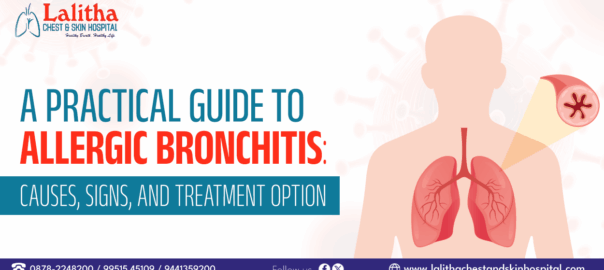
A Practical Guide to Allergic Bronchitis: Causes, Signs, and Treatment Options

Allergic bronchitis is a condition that affects the airways, making it difficult to breathe due to inflammation triggered by allergens. Unlike infectious bronchitis, which is caused by viruses or bacteria, allergic bronchitis is a response to substances like dust, pollen, pet dander, or mold.

With expert insights from Dr. Raj Kumar Korra at Lalitha Chest and Skin Hospital, this blog offers a comprehensive guide to understanding the condition, recognizing its symptoms, and managing it effectively.

What is Allergic Bronchitis?

Allergic bronchitis is a type of chronic bronchial inflammation that occurs when the immune system overreacts to allergens in the environment. This overreaction causes the bronchial tubes (which carry air to and from the lungs) to become swollen and produce excess mucus, leading to coughing, wheezing, and discomfort, ” explains Dr. Raj Kumar Korra, a leading allergy and asthma specialist at Lalitha Chest and Skin Hospital.

It is often associated with other allergic conditions, such as asthma or allergic rhinitis, and tends to affect people with a history of allergies or respiratory issues.

Common Causes of Allergic Bronchitis:

The main triggers of allergic bronchitis include:

  • Pollen (especially during seasonal changes)
  • Dust mites are found in bedding and furniture
  • Pet dander from cats, dogs, or other animals
  • Mold spores in damp or humid environments
  • Air pollution and smoke
  • Strong chemical fumes or perfumes

Repeated exposure to these allergens can lead to chronic inflammation and persistent symptoms if not properly managed.

Recognizable Signs and Symptoms:

Symptoms of allergic bronchitis can vary in intensity but often include:

  • Persistent coughing, especially at night or in the morning
  • Wheezing or a whistling sound when breathing
  • Shortness of breath or difficulty breathing deeply
  • Chest tightness or discomfort
  • Increased mucus production, often clear or white
  • Occasional fatigue due to disrupted sleep or breathing effort

It’s important to note that these symptoms may mimic those of other respiratory conditions like asthma or chronic bronchitis, so a proper diagnosis is essential.

When to See a Doctor?

If you suspect you may have allergic bronchitis, especially if symptoms are ongoing or worsen during specific seasons or environments, consult a healthcare provider. They may recommend:

  1. A physical examination
  2. Allergy tests (skin or blood tests)
  3. Chest X-rays to rule out other conditions
  4. Pulmonary function tests to check lung performance

Identifying specific allergens is key to preventing future episodes.

Treatment Options and Management:

While allergic bronchitis can’t be cured, it can be effectively managed through a combination of medications and lifestyle changes.

  1. Medications
  • Antihistamines – to reduce allergic response
  • Inhalers or bronchodilators – to open up airways and ease breathing
  • Corticosteroids – to control inflammation
  • Mucolytics – to help loosen and clear mucus
  1. Avoiding Triggers
  • Use HEPA filters in your home
  • Keep living areas clean and dust-free
  • Avoid smoking or exposure to secondhand smoke
  • Limit outdoor exposure during high-pollen seasons
  • Address mold or dampness in the home
  1. Lifestyle Modifications
  • Practice deep breathing exercises or yoga
  • Maintain a healthy immune system through a balanced diet and sleep
  • Monitor air quality and use masks if needed outdoors

Allergic bronchitis can significantly impact daily life, but with proper understanding and care, it can be managed effectively. Identifying and avoiding triggers, combined with medical treatment, can help you breathe easier and live more comfortably. If you’re experiencing persistent respiratory symptoms, don’t hesitate to reach out to a healthcare professional for proper evaluation and support.

If you’re in Karimnagar and searching online for treatment on Google with terms like ” allergy and asthma specialist near me,” ” best allergy specialist near me,” or ” asthma dr near me,” let us save you the time.

If you’re suffering from allergic bronchitis, seek expert treatment at Lalitha Chest and Skin Hospital in Karimnagar, where Dr. Raj Kumar Korra, a highly respected chest pain specialist, provides personalized care and attention, and book your appointment today at: https://lalithachestandskinhospital.com/

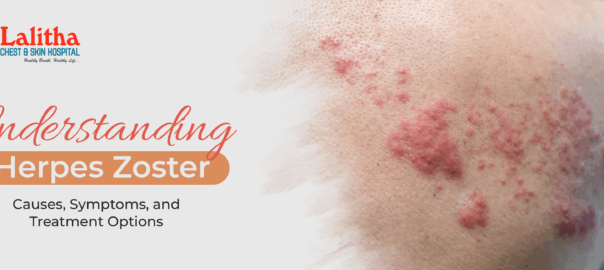
Understanding Herpes Zoster: Causes, Symptoms & Treatment

Understanding Herpes Zoster: Causes, Symptoms, and Treatment Options

Herpes Zoster, more commonly known as shingles, is a painful skin condition that affects millions of people worldwide each year. While often associated with aging, shingles can impact individuals of various age groups, particularly those with weakened immune systems. Understanding what causes herpes zoster, recognizing its symptoms early, and knowing the available treatment options are key to managing this condition effectively.

“Shingles, or herpes zoster, occurs when the varicella-zoster virus-responsible for chickenpox-becomes active again after lying dormant in nerve tissue for years following a chickenpox infection,” explains Dr. B. Jyothi, a well-known dermatologist in Karimnagar.

This blog, enriched with insights from Dr. B. Jyothi – a leading specialist in herpes zoster treatment in Karimnagar – is designed to provide a comprehensive overview of the condition, including its causes, symptoms, and the most effective treatment options.

What are the Causes and Risk Factors of Herpes Zoster?

The exact reason the varicella-zoster virus reactivates isn’t always clear, but several risk factors increase the likelihood of developing shingles:

  1. Age: Individuals over 50 are at higher risk.
  2. Weakened Immune System: People undergoing chemotherapy, living with HIV, or taking immunosuppressive drugs are more vulnerable.
  3. Stress and Trauma: Physical or emotional stress may contribute to immune suppression, triggering reactivation.
  4. History of Chickenpox: Only those who’ve had chickenpox (or received the chickenpox vaccine) are at risk.

Although shingles isn’t contagious, the varicella-zoster virus that causes it can be transmitted to individuals who haven’t had chickenpox, potentially leading them to develop chickenpox rather than shingles.

Symptoms of Herpes Zoster?

Shingles typically begins with warning signs a few days before a rash appears. Common early symptoms include:

  • Localized Pain or Tingling: Usually on one side of the body or face.
  • Itching or Burning Sensation: Often confused with skin irritation.
  • Fever and Fatigue: Mild flu-like symptoms can occur.

Once the rash appears, it usually progresses through several stages:

  1. Red Patches: A band or strip of red skin, commonly on the torso or face.
  2. Blisters: Fluid-filled blisters that resemble chickenpox.
  3. Crusting and Healing: Blisters eventually dry out and form scabs.

The pain associated with shingles can range from mild to severe and may persist even after the rash clears—a condition known as postherpetic neuralgia (PHN).

Treatment Options for Herpes Zoster?

Early diagnosis and treatment can significantly reduce the severity and duration of shingles. Here are the primary treatment approaches:

  1. Antiviral Medications:

These are most effective when taken within 72 hours of the rash appearing. Common antivirals include:

  • Acyclovir
  • Valacyclovir
  • Famciclovir

They help speed up recovery and lower the risk of complications.

  1. Pain Management:

Depending on the severity, pain relief may involve:

  • Over-the-counter medications (ibuprofen or acetaminophen)
  • Prescription-strength painkillers
  • Topical creams containing lidocaine or capsaicin
  1. Steroids: In some cases, corticosteroids may be prescribed to reduce inflammation, especially if the shingles affect the eyes or ears.
  2. Home Care: Rest, cool compresses, oatmeal baths, and loose clothing can help relieve discomfort and promote healing.

Preventive Measures: One effective way to protect against shingles or lessen its impact is by getting vaccinated. The CDC advises that adults aged 50 and older receive the Shingrix vaccine, regardless of past shingles episodes or previous vaccinations.

When to See a Doctor for Herpes Zoster?

Immediate medical attention is necessary if:

  • The rash spreads to the eyes (risking permanent vision damage)
  • Pain or rash is unusually severe
  • You are immunocompromised
  • You suspect shingles and want to start antiviral treatment promptly

Herpes Zoster can be a distressing and painful condition, but with proper awareness, early intervention, and preventive care, its impact can be significantly reduced.

Whether you’re looking to protect yourself or help a loved one through their recovery, understanding shingles is the first step toward effective management.

If you are in Karimnagar and searching on Google with terms like, “shingles specialist near me“, or “skin specialist in Karimnagar“, consider visiting Lalitha Chest and Skin Hospital. Dr. B. Jyothi, a highly experienced dermatologist in Karimnagar, specializes in the management of Herpes Zoster and offers expert consultations with personalized care. To learn more or book an appointment, visit https://lalithachestandskinhospital.com/.

Understanding Viral Cough: Symptoms, Causes & Recovery Guide

Understanding the Viral Cough Breakdown: From Early Symptoms to Full Recovery

Coughing is one of the body’s most common defense mechanisms. While an occasional cough is completely normal, a persistent viral cough can be both uncomfortable and disruptive. Understanding how a viral cough develops, progresses, and ultimately resolves can help you better manage symptoms and recover faster.

With valuable input from Dr. Raj Kumar Korra at Lalitha Chest and Skin Hospital, this blog provides a comprehensive guide to viral cough, highlighting its signs, symptoms, and recovery journey.

What is Viral Cough?

A viral cough is caused by an infection from a virus, most commonly those responsible for colds, flu, or respiratory infections. Unlike bacterial infections, viral infections do not respond to antibiotics and generally need to run their course over several days to weeks, ” says Dr. Raj Kumar Korra, the best pulmonologist in Karimnagar.

 Early Signs and Symptoms of Viral Cough:

A viral cough usually begins subtly, often resembling a mild cold. Here are the early symptoms to watch for:

  • Scratchy or sore throat
  • Sneezing and nasal congestion
  • Low-grade fever
  • Fatigue or body aches
  • Mild dry cough

At this stage, the cough may seem minor but tends to worsen as the virus progresses. Paying attention to these early indicators can help you take precautions early and prevent the spread.

Progression of the Cough:

As the infection advances, the cough often shifts from dry to more productive (wet). Here’s what typically happens:

  1. Days 2-4: The cough intensifies, and mucus production may increase.
  2. Days 5-7: You may experience chest tightness or wheezing, especially when lying down.
  3. Days 7-10: Coughing may peak in severity but often starts to subside if managed properly.

In most cases, a viral cough doesn’t last more than two to three weeks. However, in some individuals, especially those with underlying conditions like asthma or bronchitis, it may persist longer.

Managing the Symptoms:

While viral infections can’t be cured with antibiotics, you can ease symptoms and support recovery with the following tips:

  • Stay hydrated: Drinking fluids thins mucus and soothes the throat.
  • Use a humidifier: Moist air can ease coughing and reduce throat irritation.
  • Rest: Adequate sleep helps your immune system fight off the virus.
  • Over-the-counter remedies: Cough syrups, throat lozenges, and nasal sprays may offer temporary relief.
  • Avoid irritants: Smoke, pollution, and strong fragrances can worsen symptoms.

When to See a Doctor?

Although most viral coughs resolve on their own, medical attention may be necessary if:

  1. The cough lasts longer than three weeks
  2. There’s a high fever (over 102°F or 39°C)
  3. You’re coughing up green, yellow, or bloody mucus
  4. Breathing becomes difficult
  5. Chest pain occurs

These could be signs of a secondary infection or a more serious condition that requires further evaluation.

Recovery and Prevention:

With proper care, most people recover fully from a viral cough without complications. To prevent future episodes:

  • Practice good hand hygiene
  • Avoid close contact with sick individuals
  • Boost your immunity with a balanced diet and regular exercise
  • Stay up to date with vaccinations, especially the flu vaccine

A viral cough, while typically harmless, can be exhausting and frustrating. Understanding how it starts, what to expect, and how to manage it can make the recovery process smoother. Most importantly, giving your body time to heal and seeking help when necessary ensures a return to full health with minimal complications.

If you’re in Karimnagar and searching online for treatment on Google with terms like ” best treatment for viral cough near me,” ” best respiratory hospital near me,” or ” viral cough treatment in Karimnagar,” let us save you the time.

You can directly visit Lalitha Chest and Skin Hospital in Karimnagar, where Dr. Raj Kumar Korra, a leading lung specialist, offers expert treatment for viral cough. Book your appointment today by visiting our website: https://lalithachestandskinhospital.com/

Say Goodbye to Fungal Infections | Fast Relief from Itching

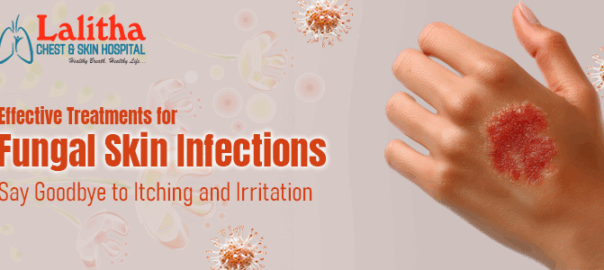
Effective Treatments for Fungal Skin Infections: Say Goodbye to Itching and Irritation

Fungal skin infections may be common, but that doesn’t make them any less frustrating. They can cause persistent itching, redness, flaking, and discomfort, affecting your quality of life. Fortunately, with the right treatment, these infections are manageable and even preventable.

Fortunately, with the right treatment and care, fungal infections can be effectively managed and even prevented. In this blog, Dr. B. Jyothi, the best skin specialist in Karimnagar, explores the most effective treatments for fungal skin infections and shares tips on how to keep your skin healthy and itch-free.

What Are Fungal Skin Infections?

These infections are triggered by fungal organisms that grow on the skin, particularly in areas where warmth and moisture are present (underarms, armpits, and feet).

Common Types of Fungal Skin Infections:

Tinea Pedis (Athlete’s Foot): Affects the feet, often between the toes.

Tinea Cruris (Jock Itch): Appears in the groin and inner thighs.

Tinea Corporis (Ringworm): Circular, itchy rashes on the body or limbs.

Cutaneous Candidiasis (Yeast Infections): Often found in skin folds, like underarms or beneath the breasts.

Symptoms of Fungal Skin Infections?

  • Persistent itching
  • Redness or inflammation
  • Flaky, peeling, or cracked skin
  • Blisters or oozing in severe cases

Most Effective Treatments for Fungal Skin Infections:

  1. Topical Antifungal Treatments:

Mild to moderate infections usually respond well to over-the-counter creams, sprays, or powders such as:

  • Clotrimazole
  • Miconazole
  • Terbinafine
  • Tolnaftate

How to use: Apply 1–2 times daily for at least 2–4 weeks.

Pro tip: Continue using the medication for one full week after symptoms disappear to prevent recurrence.

  1. Oral Antifungal Medications:

For severe, widespread, or resistant infections, dermatologists may recommend oral antifungals like:

  • Fluconazole
  • Itraconazole
  • Terbinafine (oral form)

These are particularly effective for infections of the scalp, nails, or recurring cases that don’t respond to topical treatments.

  1. Natural Remedies (Supportive, Not Substitute):

While not a replacement for medical treatment, some natural options may offer soothing relief:

Tea tree oil – Natural antifungal and anti-inflammatory properties.

Apple cider vinegar – Helps balance skin pH and inhibit fungal growth.

Aloe vera – Calms irritated skin and reduces redness.

Note: Always consult your doctor before combining natural remedies with prescribed treatments.

Preventing Fungal Infections: Tips for Healthy Skin

Preventing fungal infections is just as important as treating them. Here are some practical tips:

  • Keep skin clean and dry, especially in folds and between toes.
  • Wear breathable fabrics and moisture-wicking socks.
  • Avoid sharing towels, shoes, or personal care items.
  • Use antifungal powders if you’re prone to sweating.
  • Change out of damp clothing immediately after workouts or swimming.

When to See a Doctor?

If your symptoms persist for more than two weeks, worsen, or spread, it’s time to consult a dermatologist. Persistent fungal infections may require stronger medications or additional tests to rule out similar-looking skin conditions.

Fungal skin infections might be annoying, but they’re usually easy to treat with the right approach. Whether you’re reaching for a reliable antifungal cream or making lifestyle adjustments to prevent a recurrence, taking action now can mean quick relief and healthier skin for the long haul. However, the majority ignore and suffer in silence and bide time looking for remedy.

If you’re struggling with fungal skin infections and searching phrases like “fungal infection treatment in Karimnagar,” “skin specialist for ringworm near me,” or “ringworm doctor near me” on Google, we’re here to save you time by providing the trusted information and support you need to make an informed decision.

At Lalitha Chest and Skin Hospital, Dr. B. Jyothi is a leading skin fungal infection specialist in Karimnagar, known for her expertise and innovative treatments for Fungal skin infections. For more information, visit our website: https://lalithachestandskinhospital.com/

Understanding Allergy Bronchitis: Causes, Symptoms & Treatments

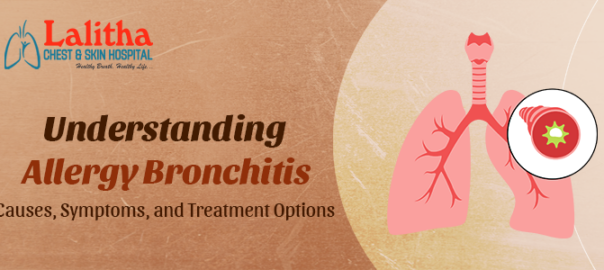
Understanding Allergy Bronchitis: Causes, Symptoms, and Treatment Options

Allergy bronchitis is a respiratory condition that arises when allergens trigger inflammation in the bronchial tubes. It’s a condition that often blurs the lines between allergies and chronic bronchitis, making it essential to understand its distinct characteristics, triggers, and treatment options.

In this blog, with expert insights from Dr. Raj Kumar Korra at Lalitha Chest and Skin Hospital, we’ll take an in-depth look at allergic bronchitis—its causes, symptoms, and available treatment options.

What is Allergy Bronchitis?

“Allergy bronchitis occurs when allergens such as pollen, dust, mold, pet dander, or smoke irritate the airways, leading to inflammation and mucus buildup in the bronchial tubes. Unlike infectious bronchitis, which is caused by viruses or bacteria, allergy bronchitis is rooted in the immune system’s overreaction to harmless substances.

While it shares symptoms with other respiratory conditions like asthma and chronic bronchitis, allergy bronchitis typically flares up during allergy seasons or after exposure to specific allergens.”, says Dr. Raj Kumar Korra, MD, a best doctor for bronchitis in Karimnagar.

What Causes Allergy Bronchitis?

Understanding what causes allergy bronchitis is key to managing and preventing it. Some of the most common triggers include:

  • Pollen(from trees, grasses, or weeds)
  • Dust mites
  • Mold spores
  • Animal dander
  • Smoke (especially cigarette or wood smoke)
  • Strong odors or fumes (like cleaning products or perfumes)
  • Air pollution

Some individuals may also experience flare-ups due to weather changes, especially cold air or humidity.

Symptoms of Allergy Bronchitis:

Symptoms of allergy bronchitis can resemble those of a regular chest cold, but they tend to linger or appear in cycles depending on exposure to allergens. Common symptoms include:

  • Persistent cough (often worse at night)
  • Chest tightness or discomfort
  • Wheezing or whistling sound when breathing
  • Shortness of breath
  • Runny or stuffy nose
  • Watery or itchy eyes
  • Fatigue

If these symptoms occur repeatedly after exposure to specific triggers, it may be allergy bronchitis rather than a typical infection.

When to See a Doctor?

If you find yourself coughing for more than three weeks, especially during allergy seasons or in response to certain environments, it’s time to see a healthcare provider. They may perform:

  1. Physical exam
  2. Allergy testing.
  3. Pulmonary function tests.
  4. Chest X-rays or CT scans (to rule out other conditions).

Correct diagnosis is essential because treating allergy bronchitis differs from treating infectious or chronic bronchitis.

Treatment Options for Allergy Bronchitis:

While there’s no cure for allergy bronchitis, effective treatment can significantly improve your quality of life. The goal is to manage symptoms and reduce exposure to triggers.

  1. Avoidance of Allergens:
  • Use air purifiers and dehumidifiers
  • Keep windows closed during high pollen days
  • Regularly wash bedding and vacuum with HEPA filters
  • Avoid pets or keep them out of bedrooms
  1. Medications:
  • Antihistamines to control allergic reactions
  • Inhalers or bronchodilators to ease breathing
  • Corticosteroids (inhaled or oral) for inflammation
  • Decongestants for nasal relief
  • Allergy shots (immunotherapy) for long-term management
  1. Home Remedies:
  • Steam inhalation or humidifiers
  • Warm fluids to soothe the throat
  • Saline nasal sprays

Always consult a healthcare provider before starting any treatment, especially when combining medications.

Allergy bronchitis can be disruptive, but with the right knowledge and tools, it’s manageable. Identifying your triggers, adhering to a treatment plan, and staying aware of your environment can make a big difference in how you feel each day.

If you suspect you’re dealing with allergy bronchitis, don’t ignore the symptoms — getting professional advice can lead to a clear diagnosis and more effective treatment options.

If you’re in Karimnagar and searching online for terms like “best allergy specialist near me,” “bronchial inflammation treatment near me,” or “chest infection doctor near me,” look no further than Lalitha Chest and Skin Hospital—home to Dr. Raj Kumar Korra, a bronchitis specialist renowned for treating Allergy Bronchitis. Please book your appointment today by visiting our website: https://lalithachestandskinhospital.com/

Lipoma Removal Surgery: Complete Guide to Excision & Recovery

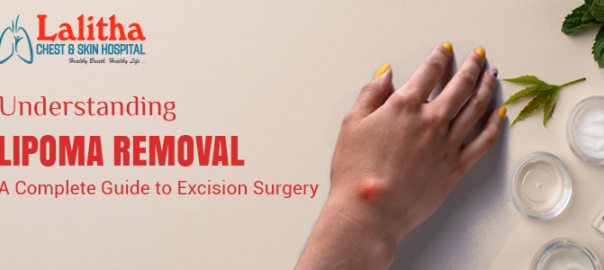
Understanding Lipoma Removal: A Complete Guide to Excision Surgery

What is a Lipoma?

A lipoma is a benign, slow-growing fatty lump that forms under the skin. It is typically soft, movable, and painless, though some individuals may experience discomfort if the lipoma presses against nerves or blood vessels. Lipomas can develop anywhere on the body but are commonly found on the neck, shoulders, arms, and thighs.

Dr. B. Jyothi, a highly regarded female dermatologist in Karimnagar, provides expert insights into lipoma removal. This guide covers when excision is necessary, the surgical procedure, post-operative care, potential risks, and alternative treatments.

When is Lipoma Removal Necessary?

While most lipomas do not require medical treatment, some cases warrant surgical removal. Consider excision surgery if:

  1. The lipoma is growing rapidly.
  2. It causes pain or discomfort.
  3. It restricts movement or presses against nerves.
  4. There are cosmetic concerns.
  5. There is uncertainty about whether the lump is benign or malignant.

Lipoma Excision Surgery: What to Expect

Excision surgery is the most common and effective method for lipoma removal. This minor surgical procedure involves making a small incision to extract the fatty tissue. Here’s what you need to know:

  1. Pre-Surgical Consultation:

Your doctor will evaluate the lipoma through a physical examination and may order imaging tests, such as an ultrasound or MRI, to assess its depth and size. A biopsy may be recommended if there are concerns about malignancy.

  1. The Surgical Procedure:
  • Anesthesia:Local anesthesia is administered to numb the area.
  • Incision and Removal:A small incision is made over the lipoma, and the fatty lump is carefully excised.
  • Closure:The incision is closed with stitches or surgical glue.
  • Duration:The procedure typically takes 30–60 minutes, depending on the size and location of the lipoma.
  1. Post-Surgical Care and Recovery

Recovery from lipoma excision surgery is usually quick and involves minimal discomfort. To ensure a smooth healing process:

  • Keep the incision area clean and dry.
  • Follow your doctor’s instructions regarding wound care and medications.
  • Avoid strenuous activities until fully healed.
  • Monitor for signs of infection, such as redness, swelling, or pus.

Potential Risks and Complications:

Lipoma removal is generally safe, but like any surgical procedure, it carries some risks:

  • Infection
  • Scarring
  • Bleeding
  • Temporary numbness near the surgical site
  • Recurrence of the lipoma (rare)

Alternative Treatments for Lipoma Removal

While excision surgery is the most effective treatment, other methods include:

  • Liposuction:A minimally invasive procedure that suctions out the fatty tissue.
  • Steroid Injections:These can shrink the lipoma but may not remove it completely.
  • Home Remedies:Some individuals try herbal treatments or dietary changes, though their effectiveness is not scientifically proven.

Lipomas are usually harmless, but if they cause discomfort or aesthetic concerns, excision surgery is a reliable and effective solution. Consulting a qualified dermatologist will help determine the best treatment approach. If you notice an unusual lump on your body, seeking medical advice is essential for proper evaluation and management.

By understanding the lipoma removal process, including excision surgery, risks, and recovery, you can make an informed decision about your health and well-being.

For expert guidance and effective treatment options, scheduling an appointment with a specialized dermatologist is recommended. If you’re searching for “lipoma treatment near me,” “lipoma removal hospital near me,” or  “best lipoma doctor near me,” let us make it easier for you! Dr. B. Jyothi, Karimnagar’s top dermatologist, specializes in advanced lipoma removal. For inquiries, feel free to contact us at Lalitha Chest & Skin Hospital.
Viral Pneumonia: Causes, Symptoms, Prevention & Treatment

Viral Pneumonia: Causes, Symptoms, Prevention, and Treatment Options

For the last 5 years, the cases of viral Pneumonia in Karimnagar have been consistently on the rise. The pandemic has further induced a lot of fear in the public.

Though the pandemic has subsided, due to its resemblance to Pneumonia, the public is presuming it is a COVID condition. At Lalitha Chest & Skin Clinic, we regularly treat these cases of fear. So, in this blog, we have decided to dispel this myth by delivering all the essential information about this condition.

So, with guidance from Dr. Raj Kumar Korra at Lalitha Chest and Skin Hospital, this blog delves into the causes, symptoms, treatment options, and preventive measures of viral Pneumonia.

What is Viral Pneumonia?

“Viral Pneumonia is a lung infection caused by viruses that inflame the air sacs, making breathing difficult. Unlike bacterial Pneumonia, which can be treated with antibiotics, viral Pneumonia requires different management strategies”, says Dr. Raj Kumar Korra, MD, a leading respiratory doctor in Karimnagar.

What Causes Viral Pneumonia?

Viral Pneumonia is triggered by various viruses, including:

  1. Influenza (Flu) Virus: A common cause, especially during flu season.
  2. Respiratory Syncytial Virus (RSV): Primarily affects infants, young children, and older adults.
  3. SARS-CoV-2 (COVID-19): A significant cause of severe viral Pneumonia in recent years.
  4. Adenovirus: Can cause mild to severe respiratory infections.
  5. Parainfluenza Virus: Often leads to respiratory infections in children and immunocompromised individuals.

Symptoms of Viral Pneumonia:

Symptoms can range from mild to severe, depending on the virus and the patient’s health. Common signs include:

  • Fever and chills: One of the first indications of an infection.
  • Cough: Often dry at first but may produce mucus later.
  • Shortness of breath: Difficulty breathing, especially during physical exertion.
  • Chest pain: Sharp pain that worsens with deep breaths or coughing.
  • Fatigue and weakness: Due to the body’s immune response fighting the infection.
  • Headache and muscle pain: Common flu-like symptoms.
  • Bluish lips or fingertips: A sign of severe oxygen deprivation, requiring immediate medical attention.

Prevention: How to Prevent Viral Pneumonia?

Preventing viral Pneumonia involves reducing exposure to infectious viruses and strengthening immunity. Key preventive measures include:

  1. Vaccination: Flu shots, COVID-19, and RSV vaccines (for high-risk individuals) can significantly lower the risk.
  2. Hand Hygiene: Regular handwashing with soap and water prevents the spread of viruses.
  3. Avoiding Close Contact with Sick Individuals: Especially in crowded or enclosed spaces.
  4. Wearing Masks: Particularly in high-risk areas or during flu seasons.
  5. Boosting Immunity: A healthy diet, regular exercise, and adequate sleep enhance immune function.
  6. Disinfecting Surfaces: Cleaning frequently touched surfaces can reduce virus transmission.

Treatment Options for Viral Pneumonia:

Since antibiotics do not work against viruses, treatment focuses on symptom management and supportive care:

  1. Rest and Hydration: Essential for recovery and preventing complications.
  2. Over-the-counter Medications: Pain relievers (e.g., acetaminophen, ibuprofen) help manage fever and body aches.
  3. Antiviral Medications: In some cases, antiviral drugs like oseltamivir (Tamiflu) may be prescribed for influenza-related Pneumonia.
  4. Oxygen Therapy: For severe cases with breathing difficulties.
  5. Hospitalization: Required for individuals with severe symptoms, compromised immune systems, or underlying conditions.

When to See a Doctor?

While mild viral Pneumonia can often be managed at home, seek medical help if you experience:

  1. Persistent high fever (above 102°F or 39°C).
  2. Difficulty breathing or shortness of breath.
  3. Chest pain that worsens with breathing or coughing.
  4. Confusion or dizziness.
  5. Bluish skin, lips, or fingertips.

Viral Pneumonia is a severe respiratory infection, but with timely treatment and proper preventive measures such as staying up to date with vaccinations, practicing good hygiene, and seeking medical care when needed, most people recover fully.

If you or your kith or kin are experiencing any of the above symptoms, you do not have to wait to search Google with queries like: doctor for Pneumonia near me, lung care hospital near me, or the best pulmonary hospitals near me in Karimnagar. You can directly head to Lalitha Chest and Skin Hospital in Karimnagar, where the best lung doctor in Karimnagar, Dr. Raj Kumar Korra, specializes in viral pneumonia treatment. Please book your appointment today by visiting our website: https://lalithachestandskinhospital.com/

Viral Pneumonia: Causes, Symptoms, Prevention & Treatment

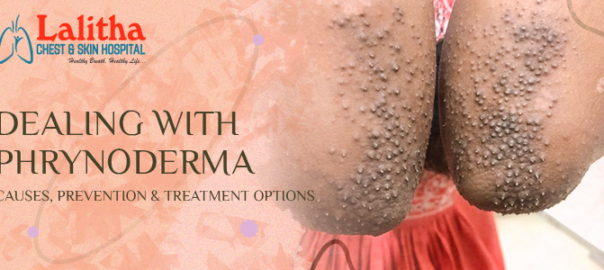
Dealing with Phrynoderma: Causes, Prevention & Treatment Options

Have you noticed rough, bumpy skin on your arms, thighs, or buttocks? Do these bumps feel like sandpaper and refuse to go away, no matter how much you moisturize? If so, you might be dealing with something more than just dry skin.

Many people silently suffer from this condition, mistaking it for common skin problems. But what if we told you that these stubborn bumps could be a sign of a deeper issue: one that affects your body’s ability to absorb essential nutrients? This is Phrynoderma, a form of follicular hyperkeratosis linked to vitamin deficiencies.

The Reality of Phrynoderma: A Hidden Skin Problem

Phrynoderma isn’t just an aesthetic concern: it signals that your body lacks vital nutrients, particularly vitamin A and essential fatty acids. Left untreated, this deficiency can worsen, leading to more severe skin issues, poor immunity, and even vision problems.

But here’s the good news: Phrynoderma is entirely treatable and, better yet, preventable. You don’t have to live with these persistent skin bumps.

In this blog, we’ll discuss the causes of Phrynoderma, treatment options, and prevention measures to help you avoid this condition altogether.

What Causes Phrynoderma?

The primary cause of Phrynoderma is a nutritional deficiency, mainly due to:

  • Lack of Vitamin A: Essential for skin renewal and repair.
  • Deficiency of Essential Fatty Acids: Helps maintain skin hydration and barrier function.
  • Poor Diet: A diet lacking in fruits, vegetables, and healthy fats increases the risk.
  • Digestive Issues: Conditions that hinder nutrient absorption, such as gut disorders, can also lead to Phrynoderma.
  • Chronic Illnesses: Certain medical conditions may deplete your body’s nutrient reserves, making you more susceptible.

How Can You Treat Phrynoderma?

The key to treating Phrynoderma lies in correcting the underlying deficiencies:

  • Vitamin Supplements: Taking Vitamin A, Vitamin C, and E supplementscan help restore skin health.
  • Healthy Diet: Increase intake of green leafy vegetables, carrots, nuts, seeds, and fish oils.
  • Topical Treatments: Medicated creams containing retinoid or mild exfoliantscan smoothen the skin.
  • Hydration & Skincare: Using gentle moisturizersand avoiding harsh soaps can help reduce irritation.

Preventing Phrynoderma: Simple Steps for Healthy Skin

Prevention is always better than cure. Here’s how you can keep Phrynoderma at bay:

  • Eat a Balanced Diet: Include foods rich in Vitamin A, Omega-3 fatty acids, and proteins.
  • Stay Hydrated: Drink plenty of water to keep your skin nourished.
  • Maintain Good Skincare: Regularly exfoliate and moisturize to prevent keratin buildup.
  • Address Underlying Health Issues: If you have digestive or absorption problems, consult a doctor.

Phrynoderma Treatment at Lalitha Chest and Skin Clinic in Karimnagar:

If you’re struggling with persistent skin bumps and suspect it might be Phrynoderma, do not waste time scouring Google with “best skin specialist near me” or “best skin laser clinic near me.” Not every skin specialist has expertise in Phrynoderma treatment. Being a specialized condition, it requires a skin specialist experienced in this treatment.

At Lalitha Chest and Skin Clinic, our skin specialists are highly skilled in diagnosing and treating Phrynoderma and other skin conditions effectively. Whether you are looking for the best skin specialist near you or a best clinic for skin treatment for Phrynoderma treatment, our expert team can provide personalized care to help restore your skin’s health.

Book a consultation today and take the first step toward healthier, smoother skin!


Understanding Viral Fever: Causes, Prevention & Treatments

You Need to Know About Viral Fever: Prevention & Treatment Options

Viral fever is a widespread health issue that can affect individuals of all ages. It occurs due to viral infections that raise body temperature, often leading to symptoms like chills, body aches, fatigue, and headaches.

Although most cases improve without medical intervention, knowing how to prevent and manage viral fever can aid in a faster recovery. Dr. Raj Kumar Korra, MD, a pulmonologist in Karimnagar, shares insights on its causes, symptoms, treatment options, and preventive measures.

With expert guidance from Dr. Raj Kumar Korra at Lalitha Chest and Skin Hospital, this blog explores essential information to help you stay informed. Read on to learn more!

What Causes Viral Fever?

Viral fever is caused by various viral infections, including:

  1. Influenza virus
  2. Dengue virus
  3. Common cold viruses (rhinovirus, adenovirus)
  4. Coronavirus
  5. Chikungunya virus

These viruses spread through direct contact, contaminated surfaces, and airborne droplets from an infected person.

Symptoms of Viral Fever:

The symptoms of viral fever may vary based on the underlying infection but commonly include:

  • High body temperature (above 100.4°F or 38°C)
  • Fatigue and weakness
  • Body aches and joint pain
  • Sore throat and cough
  • Headache
  • Chills and sweating
  • Runny or stuffy nose
  • Loss of appetite

Prevention: How to Prevent ARDS?

Preventing viral fever involves adopting good hygiene and lifestyle practices to reduce exposure to infectious agents. Here are some effective preventive measures:

  1. Practice Good Hygiene: Wash your hands frequently with soap and water for at least 20 seconds. Use hand sanitizers when soap is unavailable.
  2. Avoid Close Contact: Stay away from individuals who show symptoms of viral infections, especially in crowded places.
  3. Use Face Masks: Wearing a face mask in public places can help prevent airborne virus transmission.
  4. Boost Immunity: Maintain a healthy diet rich in vitamins, minerals, and antioxidants to strengthen your immune system.
  5. Stay Hydrated: Drinking plenty of fluids helps flush out toxins and keeps the body hydrated.
  6. Get Vaccinated: Flu shots and other recommended vaccines help protect against specific viral infections.
  7. Disinfect Surfaces: Regularly clean frequently touched objects like mobile phones, door handles, and keyboards.

Treatment Options for Viral Fever:

Most cases of viral fever are self-limiting and can be managed at home. Here are some treatment methods to ease symptoms:

Home Remedies

  1. Rest and Sleep: Give your body ample time to recover by getting enough rest.
  2. Stay Hydrated: Drink warm fluids like herbal teas, soups, and electrolyte solutions.
  3. Use Fever-Reducing Medications: Over-the-counter drugs like acetaminophen (paracetamol) or ibuprofen help reduce fever and discomfort.
  4. Steam Inhalation: Inhaling steam can relieve nasal congestion and soothe the respiratory tract.
  5. Warm Saltwater Gargle: Helps soothe a sore throat and reduces throat infections.

When to See a Doctor?

While viral fever generally resolves within a few days, seek medical attention if you experience:

  1. Persistent high fever (above 103°F or 39.4°C)
  2. Severe headache or confusion
  3. Difficulty breathing
  4. Dehydration symptoms (dry mouth, reduced urine output)
  5. Skin rash or bleeding (in cases of dengue or other severe infections)

Viral fever is a common illness, but taking proper precautions can significantly reduce the risk of infection. Following good hygiene practices, staying hydrated, and boosting immunity can help prevent viral fever. If symptoms persist or worsen, consult a healthcare professional for proper diagnosis and treatment. By staying informed and cautious, you can protect yourself and your loved ones from viral infections effectively.

If you’re in Karimnagar and searching online for terms like “viral fever treatment near me,” “viral fever hospitals in Karimnagar,” or “viral fever specialist near me,” let us save you time by helping you book an appointment quickly and easily.

Lalitha Chest and Skin Hospital, led by Dr. Raj Kumar Korra, a highly experienced viral fever specialist in Karimnagar, is a trusted healthcare center known for its effective treatment of viral fever and comprehensive chest care. Schedule your appointment today by visiting our website: https://lalithachestandskinhospital.com/