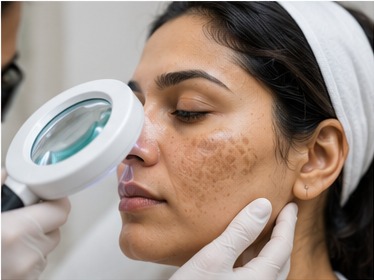
"Melasma is one of the most common and most distressing skin concerns we see — particularly in women in their 20s and 30s. With the right treatment plan, significant clearing is achievable, but sun protection must be a lifelong commitment," says Dr. B. Jyothi, Consultant Dermatologist, Lalitha Chest & Skin Hospital, Karimnagar.
What Is Melasma?
Melasma is a common pigmentation disorder causing brown, grey-brown, or greyish patches on sun-exposed areas of the face. The cheeks, forehead, upper lip, nose bridge, and chin are most affected. It is harmless but significantly impacts confidence and quality of life. It is far more common in women than men, and more prevalent in people with darker skin tones — making it particularly common in India.
Causes and Triggers
- Sun exposure — UV radiation is the most important trigger. Even brief daily sun exposure can drive pigmentation significantly in melasma-prone skin.
- Hormonal changes — Pregnancy ("mask of pregnancy" or chloasma), oral contraceptive pills, and hormone replacement therapy are major triggers. Melasma often appears during pregnancy and may persist after delivery.
- Genetics — A strong family history is common. Darker skin types (Fitzpatrick III–V, most common in India) are more susceptible.
- Heat — Infrared radiation from direct heat sources can worsen melasma.
- Thyroid disorders — Thyroid dysfunction is associated with melasma in some patients.
- Skincare products — Certain fragrances and irritating products worsen pigmentation.
Diagnosis
Dr. B. Jyothi examines melasma clinically and uses a Wood's lamp (ultraviolet lamp) to assess the depth of pigmentation — epidermal (surface) melasma responds better to treatment than dermal (deep) or mixed types. Thyroid function tests are checked when clinically appropriate.
Treatment Options
1. Sun Protection — Non-Negotiable: Broad-spectrum SPF 30+ sunscreen (SPF 50 preferred) with PA+++ UVA protection must be applied every morning and reapplied every 2 hours in outdoor settings. This is the single most important step — without it, no treatment works for long.
2. Topical Agents:
- Triple combination cream — Hydroquinone + tretinoin + mild corticosteroid. The most effective first-line prescription treatment. Used for a defined course under dermatologist supervision.
- Tranexamic acid — Available as topical cream or oral tablet. A newer, well-tolerated option that works through a different pigmentation pathway.
- Azelaic acid — A gentler alternative, particularly useful during pregnancy.
- Kojic acid, niacinamide, vitamin C — Useful as adjuncts.
3. In-Clinic Procedures:
- Chemical peels — Glycolic acid, lactic acid, or kojic acid peels. Multiple sessions required. Safe and effective when performed by a dermatologist.
- Q-switched Nd:YAG laser toning — Very low-fluence laser sessions that reduce pigmentation without damaging surrounding skin. Needs several sessions spaced 2 to 4 weeks apart.
- Microneedling with tranexamic acid — Delivers active ingredient deeper into skin for better effect.
Important Expectations
Melasma is a chronic condition — it does not have a permanent one-time cure. Results from treatment take 3 to 6 months to show. Sun exposure without protection will cause rapid relapse. The goal is long-term management — achieving good clearing, then maintaining it with ongoing sun protection and maintenance treatment.
Home Care Tips
- Apply sunscreen every morning, even on cloudy days and indoors near windows
- Wear a wide-brimmed hat and UV-blocking sunglasses when outdoors
- Use a gentle, fragrance-free cleanser and moisturiser
- Avoid direct heat exposure (cooking over open flame, etc.)
- Consider switching to a progesterone-only contraceptive if oestrogen-containing pill is triggering melasma — discuss with your gynaecologist
Frequently Asked Questions
Q: Can melasma be cured permanently?
Melasma cannot be permanently cured — it is managed. With treatment, significant and sustained clearing is achievable. The key is consistent sun protection long-term. Many patients maintain excellent results for years with proper maintenance.
Q: I used skin-lightening creams from a cosmetics shop and it worked briefly but then my skin got worse. Why?
Many over-the-counter whitening creams contain undisclosed steroids. Short-term use causes temporary lightening, but the skin rebounds and may actually darken further after stopping. They also thin the skin with long-term use. Please use only dermatologist-prescribed products.
Q: Is melasma related to pregnancy?
Yes. The hormonal changes of pregnancy frequently trigger melasma. It may improve after delivery when hormone levels normalise, but often persists. Azelaic acid is the preferred topical treatment during pregnancy (hydroquinone is avoided).
Q: How many laser sessions will I need?
Typically 6 to 10 sessions of Q-switched laser toning, spaced 2 to 4 weeks apart, are needed to see significant improvement. Results vary by skin type and depth of pigmentation.
Searching for "melasma treatment in Karimnagar" or "pigmentation specialist near me"? Visit Lalitha Chest & Skin Hospital. Dr. B. Jyothi provides comprehensive melasma assessment and personalised treatment plans. Book at +91 94413 59200.