Tag Archives: skin and hair specialist near me

Scalp Disorders | Causes, Symptoms, and Treatments

Scalp Disorders Explained: Causes, Symptoms, and Treatment Options

A healthy scalp is the foundation of strong, beautiful hair. However, many people experience scalp issues at some point in their lives. From mild dandruff to more complex inflammatory conditions, scalp disorders can cause discomfort, itching, hair thinning, and even emotional stress.

With expert guidance from Dr. B. Jyothi at Lalitha Chest and Skin Hospital, this blog helps you understand the causes, symptoms, and available treatment options, empowering you to take the right steps toward healthier hair and skin.

What Are Scalp Disorders?

Scalp disorders are conditions that affect the skin on your head. They may be caused by fungal infections, bacterial growth, autoimmune reactions, allergies, poor hygiene, hormonal imbalances, or underlying medical conditions. Some disorders are temporary and mild, while others require medical attention and long-term management.

“Early identification of the root cause of scalp disorders and selecting the appropriate treatment can help prevent complications. Accurate diagnosis, personalized care, and timely medical attention are key to maintaining long-term scalp and hair health,” says Dr. B. Jyothi, skin and hair specialist in Karimnagar.

Common Types of Scalp Disorders:

  1. Dandruff (Seborrheic Dermatitis):

Causes:

  • Overgrowth of yeast (Malassezia)
  • Oily scalp
  • Stress and hormonal changes

Symptoms:

  • White or yellow flakes
  • Itchy scalp
  • Redness or irritation

Treatment:

  • Medicated anti-dandruff shampoos (ketoconazole, zinc pyrithione)
  • Regular scalp cleansing
  • Avoiding harsh hair products
  1. Psoriasis of the Scalp:

Causes:

  • Autoimmune response
  • Genetic predisposition
  • Triggers like stress or infections

Symptoms:

  • Thick, silvery scales
  • Dry patches
  • Burning or soreness

Treatment:

  • Topical corticosteroids
  • Coal tar or salicylic acid shampoos
  • Prescription medications in severe cases
  1. Tinea capitis (Scalp Ringworm):

Causes:

  • Symptoms:Fungal infection
  • Spread through shared combs, towels, or hats

Symptoms:

  • Circular bald patches
  • Scaling
  • Swollen lymph nodes (in some cases)

Treatment:

  • Oral antifungal medications
  • Medicated shampoos
  • Avoid sharing personal hair items
  1. Folliculitis:

Causes:

  • Bacterial infection
  • Excess oil
  • Sweat buildup

Symptoms:

  • Small red bumps
  • Pain or tenderness
  • Pus-filled lesions

Treatment:

  • Antibiotic creams or oral antibiotics
  • Gentle cleansing
  • Avoid tight hairstyles
  1. Folliculitis:

Causes:

  • Autoimmune condition attacking hair follicles
  • Family history

Symptoms:

  • Sudden round bald patches
  • Smooth, hairless areas

Treatment:

  • Corticosteroid injections
  • Topical immunotherapy
  • Hair regrowth treatments

Dandruff (Seborrheic Dermatitis):

While each condition has specific triggers, common contributing factors include:

  • Poor scalp hygiene
  • Excess oil production
  • Hormonal changes
  • Stress
  • Allergic reactions to hair products
  • Nutritional deficiencies
  • Underlying skin or immune disorders
When Should You See a Doctor?

Seek medical advice if you notice:

  • Persistent itching or pain
  • Sudden or excessive hair loss
  • Spreading rashes or swelling
  • Pus-filled lesions
  • Symptoms that do not improve with over-the-counter treatments

Early diagnosis helps prevent complications and long-term damage to hair follicles.

Preventive Tips for a Healthy Scalp
  • Wash your hair regularly with a suitable shampoo
  • Avoid sharing combs, brushes, or towels
  • Maintain a balanced diet rich in vitamins and minerals
  • Manage stress effectively
  • Use gentle, chemical-free hair products
  • Protect your scalp from excessive sun exposure

Scalp disorders are common but manageable with the right care and treatment. Recognizing early symptoms and seeking appropriate medical guidance can prevent complications and promote healthy hair growth. Whether it’s simple dandruff or a more serious inflammatory condition, timely intervention makes a significant difference.

If you are in Karimnagar and searching online for “dandruff treatment near me,” “hair fall treatment near me,” or “dermatologist hair specialist near me,” Lalitha Chest and Skin Hospital is a trusted destination. Dr. B. Jyothi, a renowned hair fall specialist, provides personalized and expert care—visit our website or contact us today to book your appointment: https://lalithachestandskinhospital.com/.
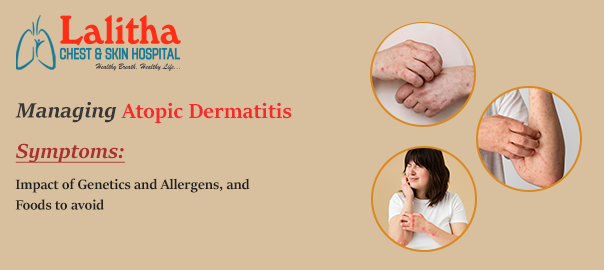
Managing Atopic Dermatitis: Causes, Genetics & Foods to Avoid

Managing Atopic Dermatitis: Causes, Impact of Genetics & Foods to Avoid

Atopic dermatitis, or eczema, is a chronic skin condition characterized by inflamed, dry, and itchy skin with scaling. In severe cases, the skin may thicken and discolour, increasing the risk of skin infections.

The visible nature of this condition can lead to self-consciousness, negatively impacting self-esteem. Constant scratching may exacerbate health risks, making individuals more prone to allergic reactions, irritants, and infections.

Atopic dermatitis can affect individuals of all ages, impacting specific areas like cheeks and scalp in babies, elbows and knees in kids, and eyelids, neck, hands, and feet in adults,” says the best skin specialist in Karimnagar Dr. Jyothi.

So, what exactly causes Atopic Dermatitis?

The precise cause of Atopic Dermatitis is unknown, making it an exciting and complicated skin condition. More often than not, this skin condition has multiple causes, including genetic, immune system, and environmental.

  • Individuals with a family history of eczema are more prone to suffer from this skin condition. According to skin specialist Dr. B Jyothi, specific genes are prone to weaken the skin barrier, making it more susceptible to irritations, dryness, and infection.
  • An overactive immune system may sometimes trigger chronic skin conditions like atopic dermatitis. In these cases, the body’s immune system mistakes harmless substances for threats and causes inflammation and reddish skin as a defensive reaction.
  • Dry weather, allergens like pollen and pet dander, irritants like harsh chemicals, rough fabrics, and even excessive stress can also trigger this skin condition.

So a person can be susceptible to Eczema/ Atopic Dermatitis due to multiple reasons, experiencing symptoms such as dryness and itching, redness and inflammation, tiny bumps or blisters, thickened, leathery skin, fluid leakage from open sores, and sleep disturbances due to itchiness. These varied symptoms are commonly observed in patients at our Lalitha Chest and Skin Hospital in Karimnagar.

Managing Atopic Dermatitis: Foods to Avoid

Atopic dermatitis can be hugely uncomfortable, but it can be manageable to a certain extent with the proper steps. The first line of defence against atopic dermatitis is applying fragrance-free and hypoallergenic moisturizers to keep the skin hydrated. Lukewarm baths with gentle, fragrance-free products are recommended to avoid over-drying the skin.

Managing stress, getting enough sleep, and choosing a healthy diet can help alleviate symptoms. Patients are advised to avoid certain foods that may exacerbate symptoms, such as dairy, eggs, excessively spicy foods, processed foods, refined sugar, and nuts and soy in some cases. While these food allergens vary from person to person, seeking medical consultation is always advisable before making drastic dietary changes.

In most cases, managing atopic dermatitis proves to be challenging. In these situations, seeking professional medical help as soon as possible is always recommended.

Atopic Dermatitis Treatment in Karimnagar:

The treatment for atopic dermatitis usually involves topical medications, immune suppressants, light therapy, and lifestyle modifications. At Lalitha Chest and Skin Hospital in Karimnagar, we evaluate the severity, identify the possible cause of the skin condition, and tailor the treatment based on the specific individual to ensure effective results. If you are in and around the Karimnagar area looking for eczema or atopic dermatitis treatment, you can contact us here.

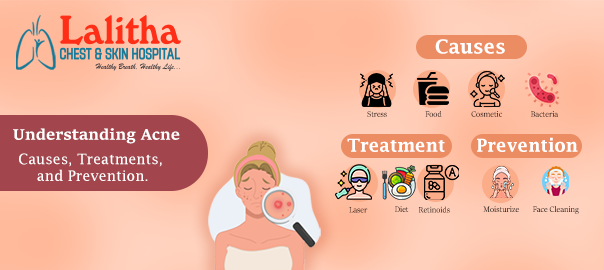
Understanding Acne: Causes, Treatments & Prevention Tips

Understanding Acne: Causes, Treatments, and Prevention

Like every other cosmetic condition, acne varies among individuals, impacting people differently based on age, skin type, and even eating habits. For some, acne naturally subsides with age, while others have to tolerate it.

For few people, it is mild and manageable; for others, it may lead to ongoing self-consciousness and a heightened sense of insecurity. Some may notice a correlation with particular foods, stress, or other emotional strains, while for others, it may persist despite persistent attempts to address it.

In all the above cases, acne will result in body image issues, particularly in the younger generation. If you have had to bear the brunt of acne and are experiencing skin-related issues, you must improve your awareness and take the proper steps towards acne treatment in Karimnagar.

In today’s blog, with insights from the best dermatologist in Karimnagar, Dr. B. Jyothi, let us know about this common yet harrowing skin condition.

What causes acne?

Acne is one of the most common skin conditions that affects every person at some time. Its intensity may vary from person to person. Still, it is the most common skin condition, leading to numerous searches for “best skin specialist near me” and “best dermatologist near me” on Google.

There is no single cause for acne outbreaks, which is precisely why many people are impacted by acne at one point or another. Some of the most documented causes of acne are as follows:

Overproduction of Sebum: Facial skin naturally produces sebum, a natural moisturizer and skin guard. However, when sebum is produced excessively, it may mix with dead skin cells to clog hair follicles, triggering acne on facial skin.

Hormonal Changes: Fluctuations in hormones like estrogen, progesterone, and testosterone may also cause acne. These hormonal fluctuations trigger more sebum production, increasing the risk of acne on the face.

“Acne due to hormonal dysfunction is more noticeable in puberty. Even adult women can suffer from hormone-related acne during menstruation,” says a dermatologist at Lalitha Chest and Skin Hospital in Karimnagar, Dr. B. Jyothi,

Stress: Individuals with normal sebum production and hormone levels can also develop acne when their stress levels increase. These stress levels can increase sebum production, triggering inflammation in the skin and weakening the skin barrier function, leading to acne. In addition to this, stress can disrupt sleep patterns, lead to overeating, and even lead to acne picking, which further exacerbates acne.

Specific Skin Type: Certain individuals, without stress or hormonal fluctuations, can also suffer from acne because of their skin type. “In most cases, people with combination skin types suffer a higher risk of acne than people with dry skin, primarily because they are more prone to produce excessive sebum,” according to a cosmetologist at Lalitha Chest and Skin Hospital, Dr. Jyothi.

Propionibacterium acnes: Bacteria that live on the skin may also cause acne when it is excessive enough to clog pores.

How to prevent acne?

As you may have seen, the primary reason for acne is the excessive production of sebum, which goes on to clog pores. The most practical way to prevent or even reduce the chance of acne is to avoid this from happening, and there are four different ways one can reduce the risk of acne:

  1. Regular Cleansing of Facial Skin: Over the day, a layer of dirt and oil masks our skin, which eventually mixes with dead skin cells to cause acne. It is advised to cleanse the facial skin twice daily to remove these excretions and prevent acne. Clean skin reduces the risk of acne by reducing excessive sebum and bacteria on face.
  2. Use Mild Non-Comedogenic Products: While regular cleansing can help, excessive cleaning can worsen the situation by drying out the skin. “People, without knowing, use harsh cleansers which can harm the skin and intensify acne. We also advise using mild non-comedogenic cleansers for facial cleansing,” says a dermatologist in Karimnagar, Dr. B. Jyothi.
  3. Avoid Touching Face: Besides excessive sebum production, bacteria is another cause of acne. Most people pester their acne and pick at them, which may spread the bacteria and cause acne breakouts in other parts of the face. So, please avoid touching your face frequently.
  4. Make Healthy Lifestyle Choices: Excessive consumption of processed food, heavy oils, stress, and an inactive lifestyle are significant causes of acne in teenagers, according to skin specialist in Karimnagar Dr. B. Jyothi. Leading a stress-free life with a healthy diet and adequate exercise can reduce inflammation, promote blood circulation and thus reduce the risk of acne.

In the few cases where even all the intervention tips can prove less useful. Our dermatologists at Lalitha Chest and Skin Hospital in Karimnagar have encountered several acne cases where the prevention steps fall short. Fortunately, our dermatologists have successfully helped these patients with a diverse array of acne treatments.

What are the treatments for acne?

“Treatment for acne at Lalitha Chest and Skin Hospital is personalized based on the exact cause, severity, lifestyle, and medical history of the patient,” says Dermatologist in Karimnagar Dr. B. Jyothi.

Our treatment options for acne at Lalitha Chest and Skin Hospital in Karimnagar include topical and oral medications for mild and less severe cases. Our dermatologists leverage also advanced laser treatments for acne cases involving deep cysts and skin scarring. The laser treatments reduce inflammation, kill bacteria, and promote collagen production to restore skin health.

Light therapy is another acne treatment our dermatologists use at Lalitha Chest and Skin Hospital in Karimnagar. This advanced procedure uses light at a specific wavelength to control and treat moderate acne by killing bacteria and reducing inflammation. In addition to these procedures, our dermatologists in Karimnagar are experts in performing extractions, chemical peels, and microdermabrasion, which are quick, easy, and effective ways to treat acne.

If you are still searching with “best dermatology near me” and “skin specialist near me” queries in Google, please rest assured. Lalitha Chest and Skin Hospital has the best dermatologists in Karimnagar who leverage their expertise and advanced facilities to treat every type of acne effectively. You can contact us here.