Tag Archives: dermatologist near me

Elevating Skincare: Modern Approaches to Psoriasis Treatment

Elevating Skincare: Modern Approaches to Psoriasis Treatment Options

Psoriasis is a chronic skin disorder that speeds up the growth cycle of skin cells. This results in patches of thick, red skin covered with silvery scales, which can be itchy and painful. It commonly affects areas like elbows, knees, scalp, and lower back, but can appear on any part of the body. Psoriasis is not contagious but can have a significant impact on daily life.

Dr. B. Jyothi, a famous skin specialist in Karimnagar, emphasizes that psoriasis significantly impacts quality of life, leading to physical discomfort, emotional distress, and social isolation. It is also associated with other health conditions such as psoriatic arthritis, cardiovascular diseases, obesity, and depression.

In this blog, with insights from Dr. B. Jyothi, a respected lady dermatologist, we aim to delve deeply into the causes and symptoms of psoriasis, providing a comprehensive understanding of available treatment options.

What causes psoriasis?

Psoriasis is caused by a combination of genetic, immune system, and environmental factors. The immune system mistakenly attacks healthy skin cells, triggering rapid skin cell growth. Genetic factors play a role, as psoriasis often runs in families.

Environmental triggers such as stress, infections, and injuries to the skin, certain medications, smoking, and heavy alcohol consumption can also exacerbate psoriasis symptoms. Psoriasis is a multifactorial condition influenced by various factors, including:

  • Genetic Factors:A family history of psoriasis increases the likelihood of developing the condition. Certain genetic mutations are associated with psoriasis susceptibility.
  • Immune System Dysfunction:Psoriasis is an autoimmune condition where the immune system targets healthy skin cells, leading to inflammation and rapid turnover of skin cells.
  • Environmental Triggers:Various environmental factors can exacerbate psoriasis symptoms or trigger flare-ups. These include stress, skin injuries (such as cuts, scrapes, or sunburns), infections (like streptococcal infections), and certain medications (such as lithium, beta-blockers, and antimalarial drugs).
  • Lifestyle Factors:Unhealthy lifestyle choices like smoking, excessive alcohol consumption, obesity, and poor diet can worsen psoriasis symptoms.
  • Psychological Factors:Stress, anxiety, and depression can exacerbate psoriasis symptoms or trigger flare-ups in some individuals.
  • Hormonal Changes:Psoriasis symptoms can be influenced by hormonal fluctuations, including those experienced during puberty, pregnancy, or menopause.
  • Weather Conditions: Cold, dry weather tends to worsen psoriasis symptoms for many people, while warm, humid conditions may improve symptoms.
  • Other Health Conditions:Certain medical conditions, such as metabolic syndrome, cardiovascular diseases, and autoimmune diseases like rheumatoid arthritis, may be associated with psoriasis.

So, what are the symptoms of psoriasis?

Psoriasis symptoms can vary depending on the type of psoriasis and its severity, but common symptoms include:

  • Red, inflamed patches of skin covered with silvery scales (plaques)
  • Dry, cracked skin that may bleed
  • Itching, burning, or soreness
  • Thickened or ridged nails
  • Swollen and stiff joints (psoriatic arthritis)
  • Small scaling spots (guttate psoriasis)
  • Smooth, red patches in skin folds (inverse psoriasis)
  • Pus-filled blisters (pustular psoriasis)
  • Widespread redness and shedding of the skin (erythrodermic psoriasis)
  • Psoriasis symptoms can occur anywhere on the body, including the scalp, elbows, knees, lower back, and nails. They may come and go in cycles of flare-ups and remissions.

Psoriasis treatments?

Psoriasis treatments aim to reduce inflammation, slow down skin cell growth, and alleviate symptoms. Here are common treatment options:

Topical Treatments: Applied directly to the skin, topical treatments include:

  • Corticosteroids: Reduce inflammation and itching.
  • Vitamin D analogs: Slow down skin cell growth.
  • Retinoids: Help reduce inflammation and skin cell growth.
  • Calcineurin inhibitors: Suppress the immune system’s response.
  • Salicylic acid: Helps remove scales.
  • Coal tar: Reduces inflammation and scaling.

Phototherapy (Light Therapy): Treatment includes exposing the skin to ultraviolet light under medical supervision. Varieties consist of:

UVB phototherapy: Slows down skin cell turnover and minimizes inflammation.

PUVA (psoralen plus UVA) therapy: Utilizes a light-sensitizing medication (psoralen) combined with UVA exposure.

Moisturizers: Regular application of moisturizers can help soothe dry, irritated skin and reduce scaling. Look for moisturizers that are fragrance-free and hypoallergenic.

Steroid Injections: In severe cases or when psoriasis affects specific areas like the scalp, hands, or feet, steroid injections directly into the affected skin can provide relief.

Laser Therapy: Excimer laser therapy targets affected skin with a concentrated beam of UVB light, helping to reduce inflammation and promote healing.

By combining various treatments and adopting lifestyle changes, people with psoriasis can effectively manage symptoms and enhance their quality of life. It’s crucial to collaborate closely with a healthcare provider to create a personalized treatment plan.

To get detailed information and potential treatment approaches, it’s advisable to schedule an appointment with a specialized dermatologist. If you’re still looking on Google with “female dermatologist near me” or a “psoriasis hospital near me” on Google, your search ends here.

Lalitha Chest and Skin Hospital houses Karimnagar’s top psoriasis doctor, Dr. B. Jyothi and provides advanced treatments for all types of psoriasis. For inquiries, visit us at https://lalithachestandskinhospital.com/
Wart Relief Guide: Treatments, Causes & Prevention Tips

Finding Relief from Warts: Here’s Everything You Need to Know

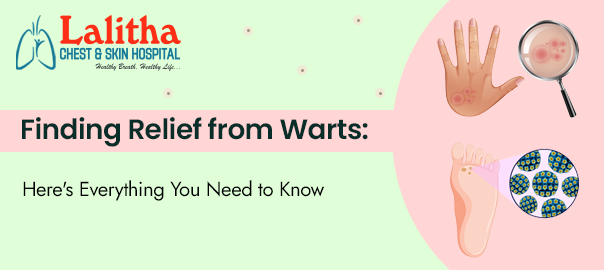
Warts are small, non-cancerous growths on the skin caused by the human papillomavirus (HPV). They can appear anywhere on the body but are most commonly found on the hands, fingers, feet, and face. Warts are typically rough to the touch and can vary in appearance, ranging from flat, smooth lesions to raised, cauliflower-like bumps.

“They are usually painless but can sometimes cause discomfort, especially if they develop in areas prone to friction or pressure. Warts are contagious and can spread through direct contact with the virus, such as skin-to-skin contact or contact with contaminated surfaces,”  says the best skin specialist in Karimnagar, Dr. B. Jyothi.

In this blog, with insights from dermatologist and wart removal specialist Dr. B. Jyothi, we aim to delve deeply into the causes and symptoms and improve your understanding of available treatment options.

What causes warts?

Warts are caused by infection with the human papillomavirus (HPV). The virus enters the body through tiny cuts, breaks, or other vulnerable sites in the skin. Once inside, HPV causes the skin cells to increase, resulting in the formation of a wart.

Damaged skin: Warts are more likely to develop on skin that has been cut, scratched, or otherwise damaged.

Walking barefoot in public places: HPV can be spread through contact with surfaces that have been contaminated with the virus, such as gym floors, swimming pool areas, or public showers.

Factors such as a weakened immune system, skin trauma, or prolonged exposure to moist environments may increase the risk of developing warts.

Are warts contagious in nature?

“Yes, warts are highly contagious. They can spread through direct contact with an infected person and indirect contact with surfaces or objects contaminated with the virus,” says Dr. B. Jyothi, the best dermatologist in Karimnagar.

What are the symptoms of warts?

The symptoms of warts can vary depending on the type of wart and its location on the body. However, some common symptoms of warts include:

  1. Skin Growth:Warts typically appear as small, raised bumps on the skin. They may be flesh-coloured, pink, white, or tan and can vary from very small to several centimetres in diameter.
  2. Rough Texture: Warts often have a rough or uneven texture, resembling a cauliflower or a small blister.
  3. Pain or Discomfort:While warts are usually painless, they can sometimes cause discomfort or pain, especially if they develop in areas subject to pressure or friction, such as the soles of the feet (plantar warts) or the hands (common warts).
  4. Black Dots:Some warts may contain tiny black dots, clotted blood vessels that supply nutrients to the wart.
  5. Clusters or Multiples:Warts can occur singly or in clusters, especially in areas where the skin has been damaged or injured.
  6. Changes in Appearance:Warts may change over time, growing larger or spreading to nearby skin.
  7. Location-Specific Symptoms:Additional symptoms may occur depending on the type of wart and its location. For example:
  • Plantar warts on the soles of the feet may cause pain or tenderness when walking.
  • Genital warts may cause itching, discomfort, or bleeding, especially during sexual activity.

What can one do to minimize the spread of warts?

According to skin specialist Dr. B. Jyothi in Karimnagar, practicing good hand hygiene, avoiding direct contact with warts, covering them with a bandage, refraining from picking or scratching, and wearing footwear in public areas can help minimize or stop the spread of warts.

Is there a cure for warts? How are warts treated?

There isn’t a definitive cure for warts since a viral infection causes them, specifically the human papillomavirus (HPV). However, several treatment options are available to help manage and remove warts.

  1. Cryotherapy (Freezing):A healthcare provider may use liquid nitrogen to freeze off the wart, causing it to fall off within a few days to a week. Cryotherapy is a standard warts treatment typically performed in a healthcare setting.
  2. Prescription Medications:A healthcare provider may sometimes prescribe stronger topical medications containing salicylic acid or other chemicals to treat warts.
  3. Laser Therapy:Laser treatment may destroy the blood vessels supplying the wart, causing it to die and fall off. This method is often reserved for more significant or more persistent warts.
  4. Surgical Removal:Surgical excision may be necessary for large or stubborn warts that do not respond to other treatments. This involves cutting out the wart under local anaesthesia.

It’s important to note that no single treatment is guaranteed to be effective for everyone, and multiple treatments may be needed to remove a wart altogether.

Click here for more information about warts and their treatment options. For detailed information on warts and potential treatment approaches, it is recommended that you schedule an appointment with a specialized dermatologist.

If you’re searching for a “dermatologist for wart removal” or a “wart removal clinic near me” on Google, your search ends here. With Karimnagar’s top dermatologist, Dr. B. Jyothi, Lalitha Chest and Skin Hospital offer advanced treatments for all types of warts. For inquiries, feel free to contact us at https://lalithachestandskinhospital.com/
Unmasking Vitiligo: Symptoms, Causes & Treatment Options

Unmasking Vitiligo: Understanding Its Symptoms, Causes & Treatment Options

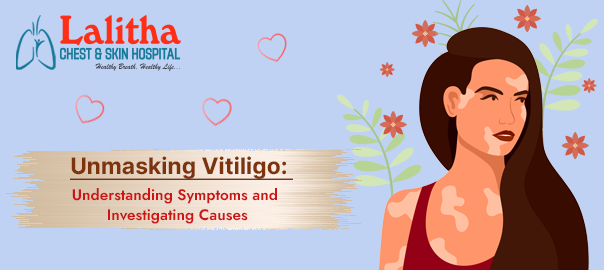
Vitiligo is a long-term skin condition that causes skin patches to lose color or pigments. This loss of skin color results in white or light-coloured irregular patches in the affected areas, contrasting starkly with the surrounding areas. These irregular white patches can draw unwanted attention, leading to self-consciousness, social anxiety, and embarrassment.

“Vitiligo is a skin condition that has been studied for decades now. But this disease captured the global spotlight when pop icon Michael Jackson was diagnosed with Vitiligo. This global recognition, while it improved awareness, also brought a fair share of misconceptions, negative perceptions, and unwanted stigma about the vitiligo disease,” says skin specialist in Karimnagar Dr. B. Jyothi.

The lack of awareness affects how people treat those with Vitiligo, leading to neglect of medical help. These misconceptions can make people ignore the need for treatment and support, making it harder for those with Vitiligo to get the care they need.

So in this blog, with inputs from the best skin doctor in Karimnagar, Dr B Jyothi, we help you improve your awareness about Vitiligo by delving into the causes, symptoms, and other frequently asked questions about Vitiligo. Read on:

What causes Vitiligo?

The exact cause of Vitiligo is still yet to be found. Vitiligo researchers state that it is a combination of the following factors:

Genetics: A family history of Vitiligo can increase the risk of developing the condition.

Environmental Factors: Stress, sunburn, and certain chemical compounds can trigger Vitiligo in individuals vulnerable to the condition.

Autoimmune Conditions: In rare cases, the body may attack the melanocytes, mistaking them for foreign pathogens, resulting in the destruction of the pigment-producing cells and leading to Vitiligo.

Is Vitiligo contagious in nature?

“Vitiligo is not contagious. It does not spread from person to person through any form of physical contact,” says skin specialist Dr. B. Jyothi in Karimnagar.

What are the symptoms of Vitiligo?

Irregular white patches on the skin varying in size are the primary symptoms of Vitiligo. These patches can appear anywhere on the body but are more common in areas exposed to sunlight, such as the face, hands, feet, and other openings like the eyes and mouth.

Premature greying of hair can also occur in individuals with Vitiligo. Sometimes, the tissues inside the mouth or nose may be discoloured. If any of these symptoms appear, it is strongly advised that you consult the best dermatology clinic in Karimnagar as soon as possible for swift intervention.

Does Vitiligo spread on the body? What can one do to minimize the spread?

Vitiligo usually results from the destruction of pigment-producing cells, leading to enlarged patches on the skin. While Vitiligo does not spread at the pace of infection, it gradually spreads over time. Once it begins to spread, minimizing or stopping its progression can be challenging.

“Adopting strong sun protection, reducing stress, maintaining a balanced diet, using topical treatments, and undergoing phototherapy are some practices that can help minimize or stop the spread of vitiligo,” according to skin specialist Dr. B. Jyothi in Karimnagar.

Is there a cure for Vitiligo? How is Vitiligo treated?

While there is no permanent cure for Vitiligo, there are specific treatment options that can improve the appearance of the skin and help manage the condition:

  1. Phototherapy: Controlled doses of UV light stimulate melanin production, reducing the appearance of depigmented skin. Regular sessions of phototherapy have shown satisfactory outcomes in patients with widespread Vitiligo.
  2. Medications: Certain medications can target the triggers of Vitiligo, slowing down its progression. Corticosteroids help reduce inflammation and immune suppressants are commonly used in vitiligo treatment.
  3. Surgery:In rare cases, surgical procedures such as skin grafting or pigment cell transplantation may be recommended to treat Vitiligo.
  4. Depigmentation Therapy:Depigmentation therapy involves lightening the remaining pigmented skin to achieve an even skin tone. This approach is irreversible and requires careful consideration by a dermatologist specializing in Vitiligo.

It’s important to note that the treatment for Vitiligo always depends on the specific case of the disease, its severity, and the patient’s expectations. For more information about Vitiligo and its treatment options, consulting a dermatologist specializing in Vitiligo is recommended.

If you are in Karimnagar and still searching for the “best dermatologist near me” on Google for assistance, you can directly head to Lalitha Chest and Skin Hospital for consultations. Dr. B. Jyothi, an expert dermatologist with expertise and a track record in treating vitiligo cases, can provide the proper assistance and treatment for this long-term skin condition. You can contact her for further information: https://lalithachestandskinhospital.com/
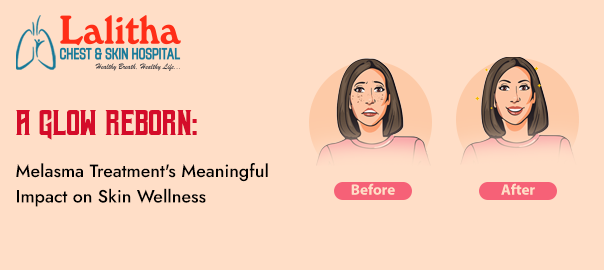
Effective Melasma Treatment | Hello Radiant Skin

Treatment for Melasma: Hello Radiant Skin, Goodbye Brown Patches

Melasma is a dermatological condition where irregular brown or brownish-grey patches appear on the face, particularly in areas most exposed to the sun—such as the cheeks, forehead, upper lip, and chin. In some cases, these abnormal patches can also occur in other sun-exposed areas but with less probability.

Melasma: Cause of Insecurity and Distress

Melasma, while benign, can be a cause of severe emotional distress and insecurity, especially for women. The outlook of Melasma varies from person to person. The patches usually start as tiny but can gradually expand and become more extensive due to sun exposure. Without prompt and proper treatment, it can become a persistent condition where patches may last long and become permanent.

Fortunately, there are plenty of treatment options available today for Melasma. A qualified dermatologist specializing in Melasma treatment can evaluate your condition, stop the spread, lighten the patches, and significantly improve the overall condition of your skin.

So how is Melasma treated, and what can patients expect after treatment? With input from a consultant dermatologist and cosmetologist in Karimnagar, Dr. B Jyothi, we answer these commonly asked questions in this blog hereafter briefly going through the symptoms and causes of Melasma.

Symptoms/Indications and Causes of Melasma:

Patches of discoloration, usually darker than the skin color, that appear on visible areas of the face, such as the cheeks, forehead, chin, and bridge of the nose, primarily indicate Melasma. They may initially appear tiny but gradually become more extensive, ultimately causing self-consciousness and insecurity in the patient.

There is no single cause of Melasma. More than 90% of Melasma cases occur in women, and the reasons usually involve hormonal imbalance, sun exposure, stress, thyroid disease, and even genetic disposition can trigger Melasma in women.

Treatment for Melasma:

How Does It Work?

A dermatologist uses a specialized apparatus called a dermatoscope to identify the condition and assess the extent of pigmentation within the layers of the skin.

“Because each case of Melasma varies, there is no one-size-fits-all treatment. The approach depends on specific patient factors, Melasma triggers, the depth of pigmentation, and skin tone”, says Dr B Jyothi, dermatologist and cosmetologist at Lalitha Chest and Skin Hospital in Karimnagar.

A dermatologist specializing in Melasma treatment considers these factors to create a customized plan for transformation. A typical plan includes:

Medications: Prescribing a comprehensive skin health plan with medications targeting discoloured patches.

Sunscreen: Recommend a strong sunscreen with zinc/titanium/iron oxide to prevent UV rays that trigger the spread.

Topical Creams/Ointments: Suggesting specialized medicated creams (e.g., hydroquinone, tretinoin, corticosteroids) to decrease pigmentation and even skin tone.

A complete skincare routine, including the right sunscreen, Melasma medication, and moisturizers, can control Melasma and decrease overall pigmentation. However, stubborn cases may require advanced treatment options.

Dr. B Jyothi has successfully treated numerous Melasma cases with medications at Lalitha Chest and Skin Hospital in Karimnagar. In cases where medications prove ineffective, advanced treatments such as chemical peeling, micro-needling, and Melasma laser treatments are incorporated into the plans to lighten and eliminate discoloured patches. These procedures can significantly transform the skin when combined with Melasma medication and a comprehensive skincare plan.

As these are advanced procedures, only certified dermatologists are authorized to perform them. If you’re in Karimnagar seeking Melasma treatment, Dr. B Jyothi at Lalitha Chest and Skin Hospital is a qualified and experienced dermatologist with a proven track record in Melasma treatment. Feel free to contact her here for further assistance.

Managing Atopic Dermatitis: Causes, Genetics & Foods to Avoid

Managing Atopic Dermatitis: Causes, Impact of Genetics & Foods to Avoid

Atopic dermatitis, or eczema, is a chronic skin condition characterized by inflamed, dry, and itchy skin with scaling. In severe cases, the skin may thicken and discolour, increasing the risk of skin infections.

The visible nature of this condition can lead to self-consciousness, negatively impacting self-esteem. Constant scratching may exacerbate health risks, making individuals more prone to allergic reactions, irritants, and infections.

Atopic dermatitis can affect individuals of all ages, impacting specific areas like cheeks and scalp in babies, elbows and knees in kids, and eyelids, neck, hands, and feet in adults,” says the best skin specialist in Karimnagar Dr. Jyothi.

So, what exactly causes Atopic Dermatitis?

The precise cause of Atopic Dermatitis is unknown, making it an exciting and complicated skin condition. More often than not, this skin condition has multiple causes, including genetic, immune system, and environmental.

  • Individuals with a family history of eczema are more prone to suffer from this skin condition. According to skin specialist Dr. B Jyothi, specific genes are prone to weaken the skin barrier, making it more susceptible to irritations, dryness, and infection.
  • An overactive immune system may sometimes trigger chronic skin conditions like atopic dermatitis. In these cases, the body’s immune system mistakes harmless substances for threats and causes inflammation and reddish skin as a defensive reaction.
  • Dry weather, allergens like pollen and pet dander, irritants like harsh chemicals, rough fabrics, and even excessive stress can also trigger this skin condition.

So a person can be susceptible to Eczema/ Atopic Dermatitis due to multiple reasons, experiencing symptoms such as dryness and itching, redness and inflammation, tiny bumps or blisters, thickened, leathery skin, fluid leakage from open sores, and sleep disturbances due to itchiness. These varied symptoms are commonly observed in patients at our Lalitha Chest and Skin Hospital in Karimnagar.

Managing Atopic Dermatitis: Foods to Avoid

Atopic dermatitis can be hugely uncomfortable, but it can be manageable to a certain extent with the proper steps. The first line of defence against atopic dermatitis is applying fragrance-free and hypoallergenic moisturizers to keep the skin hydrated. Lukewarm baths with gentle, fragrance-free products are recommended to avoid over-drying the skin.

Managing stress, getting enough sleep, and choosing a healthy diet can help alleviate symptoms. Patients are advised to avoid certain foods that may exacerbate symptoms, such as dairy, eggs, excessively spicy foods, processed foods, refined sugar, and nuts and soy in some cases. While these food allergens vary from person to person, seeking medical consultation is always advisable before making drastic dietary changes.

In most cases, managing atopic dermatitis proves to be challenging. In these situations, seeking professional medical help as soon as possible is always recommended.

Atopic Dermatitis Treatment in Karimnagar:

The treatment for atopic dermatitis usually involves topical medications, immune suppressants, light therapy, and lifestyle modifications. At Lalitha Chest and Skin Hospital in Karimnagar, we evaluate the severity, identify the possible cause of the skin condition, and tailor the treatment based on the specific individual to ensure effective results. If you are in and around the Karimnagar area looking for eczema or atopic dermatitis treatment, you can contact us here.

Understanding Acne: Causes, Treatments & Prevention Tips

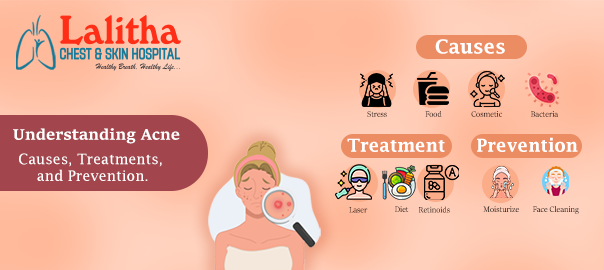
Understanding Acne: Causes, Treatments, and Prevention

Like every other cosmetic condition, acne varies among individuals, impacting people differently based on age, skin type, and even eating habits. For some, acne naturally subsides with age, while others have to tolerate it.

For few people, it is mild and manageable; for others, it may lead to ongoing self-consciousness and a heightened sense of insecurity. Some may notice a correlation with particular foods, stress, or other emotional strains, while for others, it may persist despite persistent attempts to address it.

In all the above cases, acne will result in body image issues, particularly in the younger generation. If you have had to bear the brunt of acne and are experiencing skin-related issues, you must improve your awareness and take the proper steps towards acne treatment in Karimnagar.

In today’s blog, with insights from the best dermatologist in Karimnagar, Dr. B. Jyothi, let us know about this common yet harrowing skin condition.

What causes acne?

Acne is one of the most common skin conditions that affects every person at some time. Its intensity may vary from person to person. Still, it is the most common skin condition, leading to numerous searches for “best skin specialist near me” and “best dermatologist near me” on Google.

There is no single cause for acne outbreaks, which is precisely why many people are impacted by acne at one point or another. Some of the most documented causes of acne are as follows:

Overproduction of Sebum: Facial skin naturally produces sebum, a natural moisturizer and skin guard. However, when sebum is produced excessively, it may mix with dead skin cells to clog hair follicles, triggering acne on facial skin.

Hormonal Changes: Fluctuations in hormones like estrogen, progesterone, and testosterone may also cause acne. These hormonal fluctuations trigger more sebum production, increasing the risk of acne on the face.

“Acne due to hormonal dysfunction is more noticeable in puberty. Even adult women can suffer from hormone-related acne during menstruation,” says a dermatologist at Lalitha Chest and Skin Hospital in Karimnagar, Dr. B. Jyothi,

Stress: Individuals with normal sebum production and hormone levels can also develop acne when their stress levels increase. These stress levels can increase sebum production, triggering inflammation in the skin and weakening the skin barrier function, leading to acne. In addition to this, stress can disrupt sleep patterns, lead to overeating, and even lead to acne picking, which further exacerbates acne.

Specific Skin Type: Certain individuals, without stress or hormonal fluctuations, can also suffer from acne because of their skin type. “In most cases, people with combination skin types suffer a higher risk of acne than people with dry skin, primarily because they are more prone to produce excessive sebum,” according to a cosmetologist at Lalitha Chest and Skin Hospital, Dr. Jyothi.

Propionibacterium acnes: Bacteria that live on the skin may also cause acne when it is excessive enough to clog pores.

How to prevent acne?

As you may have seen, the primary reason for acne is the excessive production of sebum, which goes on to clog pores. The most practical way to prevent or even reduce the chance of acne is to avoid this from happening, and there are four different ways one can reduce the risk of acne:

  1. Regular Cleansing of Facial Skin: Over the day, a layer of dirt and oil masks our skin, which eventually mixes with dead skin cells to cause acne. It is advised to cleanse the facial skin twice daily to remove these excretions and prevent acne. Clean skin reduces the risk of acne by reducing excessive sebum and bacteria on face.
  2. Use Mild Non-Comedogenic Products: While regular cleansing can help, excessive cleaning can worsen the situation by drying out the skin. “People, without knowing, use harsh cleansers which can harm the skin and intensify acne. We also advise using mild non-comedogenic cleansers for facial cleansing,” says a dermatologist in Karimnagar, Dr. B. Jyothi.
  3. Avoid Touching Face: Besides excessive sebum production, bacteria is another cause of acne. Most people pester their acne and pick at them, which may spread the bacteria and cause acne breakouts in other parts of the face. So, please avoid touching your face frequently.
  4. Make Healthy Lifestyle Choices: Excessive consumption of processed food, heavy oils, stress, and an inactive lifestyle are significant causes of acne in teenagers, according to skin specialist in Karimnagar Dr. B. Jyothi. Leading a stress-free life with a healthy diet and adequate exercise can reduce inflammation, promote blood circulation and thus reduce the risk of acne.

In the few cases where even all the intervention tips can prove less useful. Our dermatologists at Lalitha Chest and Skin Hospital in Karimnagar have encountered several acne cases where the prevention steps fall short. Fortunately, our dermatologists have successfully helped these patients with a diverse array of acne treatments.

What are the treatments for acne?

“Treatment for acne at Lalitha Chest and Skin Hospital is personalized based on the exact cause, severity, lifestyle, and medical history of the patient,” says Dermatologist in Karimnagar Dr. B. Jyothi.

Our treatment options for acne at Lalitha Chest and Skin Hospital in Karimnagar include topical and oral medications for mild and less severe cases. Our dermatologists leverage also advanced laser treatments for acne cases involving deep cysts and skin scarring. The laser treatments reduce inflammation, kill bacteria, and promote collagen production to restore skin health.

Light therapy is another acne treatment our dermatologists use at Lalitha Chest and Skin Hospital in Karimnagar. This advanced procedure uses light at a specific wavelength to control and treat moderate acne by killing bacteria and reducing inflammation. In addition to these procedures, our dermatologists in Karimnagar are experts in performing extractions, chemical peels, and microdermabrasion, which are quick, easy, and effective ways to treat acne.

If you are still searching with “best dermatology near me” and “skin specialist near me” queries in Google, please rest assured. Lalitha Chest and Skin Hospital has the best dermatologists in Karimnagar who leverage their expertise and advanced facilities to treat every type of acne effectively. You can contact us here.