
Tag Archives: pulmonologist in karimnagar

Signs and Symptoms of COPD | How to Identify It Early

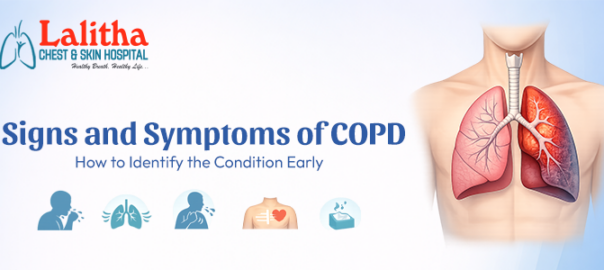
Signs and Symptoms of COPD: How to Identify the Condition Early

Chronic Obstructive Pulmonary Disease (COPD) is a long-term lung condition that gradually affects breathing and overall lung function. It often develops slowly, and many people may not recognize the early signs until the condition becomes more serious. Identifying COPD in its early stages can help manage symptoms better and slow disease progression.

With clinical insights from Dr. Raj Kumar Korra of Lalitha Chest and Skin Hospital, this blog highlights the key signs and symptoms of COPD and explains when it’s important to consult a doctor for timely diagnosis and treatment.

What is COPD?

“COPD is a group of lung conditions, such as chronic bronchitis and emphysema, that lead to airflow limitation and breathing problems due to long-term damage to the lungs and airways. Although smoking is the primary cause, long-term exposure to air pollution, dust, chemicals, and second-hand smoke can also greatly increase the risk,” explains Dr. Raj Kumar Korra, MD, Pulmonologist in Karimnagar.

Early Signs and Symptoms of COPD

In the initial stages, COPD symptoms may appear mild and are often mistaken for normal aging or seasonal respiratory issues. Common early symptoms include:

  1. Persistent cough: A long-lasting cough that may produce mucus, especially in the morning
  2. Shortness of breath: Feeling breathless during physical activity or daily tasks
  3. Increased mucus production: Thick or frequent phlegm in the throat or chest
  4. Chest tightness: A feeling of pressure or discomfort in the chest
  5. Frequent respiratory infections: Repeated colds, flu, or chest infections

Symptoms as COPD Progresses

As COPD advances, symptoms tend to become more noticeable and may interfere with daily life. These can include:

  • Worsening breathlessness, even while resting
  • Wheezing or a whistling sound while breathing
  • Chronic fatigue due to reduced oxygen levels
  • Bluish lips or fingernails, indicating low oxygen in the blood
  • Swelling in the ankles or legs, caused by strain on the heart
When to See a Doctor?

You should consult a healthcare professional if you experience persistent coughing, increasing breathlessness, or frequent chest infections—especially if you have a history of smoking or long-term exposure to lung irritants. Early medical evaluation can help confirm the condition and prevent complications.

Importance of Early Diagnosis

Early detection of COPD allows for timely treatment, lifestyle changes, and better symptom control. Quitting smoking, following prescribed medications, practicing breathing exercises, and avoiding pollutants can significantly improve quality of life and slow lung damage.

Managing COPD Effectively

Although COPD is a chronic condition, it can be managed successfully with proper care. Treatment plans may include inhalers, pulmonary rehabilitation, vaccinations, and oxygen therapy in advanced cases. Regular follow-ups with a healthcare provider are essential for monitoring lung health.

Recognizing the signs and symptoms of COPD early is key to maintaining better lung function and overall well-being. If you notice ongoing respiratory issues, don’t ignore them. Early medical attention can make a meaningful difference in managing COPD and leading a healthier, more active life.

If you’re in Karimnagar and searching online for treatment on Google with terms like ” copd specialist near me,” ” copd treatment,” or ”chronic lung disease,” let us save you the time.

You can visit Lalitha Chest and Skin Hospital in Karimnagar, where Dr. Raj Kumar Korra, a leading lung specialist, provides expert diagnosis and treatment for COPD. To book an appointment, please visit our website: https://lalithachestandskinhospital.com/
Effective Scabies Treatment | Symptoms, Causes and Solutions

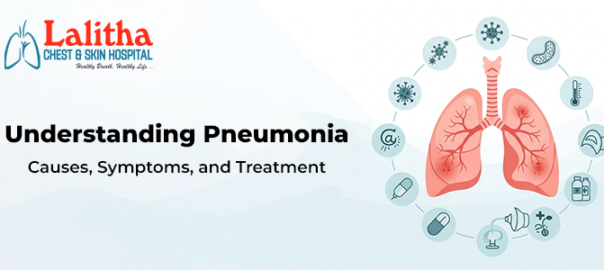
Understanding Pneumonia: Causes, Symptoms, and Treatment Explained

Pneumonia is a common yet potentially serious lung infection that affects people of all ages. Despite being widely known, many individuals are not fully aware of what causes pneumonia, how it presents, or the best ways to manage it. Understanding the condition can help you identify symptoms early and seek proper treatment on time.

Based on insights from Dr. Raj Kumar Korra of Lalitha Chest and Skin Hospital, this blog offers a comprehensive overview of pneumonia, including its causes, symptoms, and available treatment options.

What Is Pneumonia?

Pneumonia is a respiratory infection in which the tiny air sacs inside the lungs become swollen. When these air pockets fill with liquids such as mucus or pus, the lungs cannot expand normally, leading to difficulty breathing and reduced oxygen supply to the body.

Pneumonia can range from mild to life-threatening, depending on the person’s age, general health, and the type of germ causing the infection.

Pneumonia begins when an infection causes inflammation in the air sacs of the lungs; once symptoms progress, it can become a serious condition that requires timely medical care,” says Dr. Raj Kumar Korra, MD, Pulmonologist in Karimnagar.

Causes of Pneumonia

Pneumonia can be triggered by different microorganisms. The main causes include:

  1. Bacteria:

Bacterial pneumonia is one of the most common types. Streptococcus pneumoniae is often the primary culprit. It may occur on its own or after a cold or flu.

  1. Viruses:

Viruses such as influenza, RSV, and even coronaviruses can cause viral pneumonia. This form is usually milder but can become severe in older adults or people with weak immunity.

  1. Fungi:

Fungal pneumonia occurs when fungal spores are inhaled. It is more common in people with chronic health conditions or weakened immune systems.

  1. Other Factors:

Pneumonia can also occur due to aspiration—when food, liquids, or vomit accidentally enter the lungs.

Common Symptoms of Pneumonia

Pneumonia symptoms can vary widely depending on the cause and the person’s overall health. Common signs include:

  • Persistent cough (with or without mucus)
  • Fever, chills, or sweating
  • Shortness of breath
  • Chest pain, especially during breathing or coughing
  • Fatigue and weakness
  • Loss of appetite
  • Nausea or vomiting

In older adults, symptoms may be subtle—such as confusion, low energy, or a sudden decline in activity levels.

How Pneumonia Is Diagnosed

A doctor may use several methods to confirm pneumonia, such as:

  • Physical examination to listen for crackles or abnormal lung sounds
  • Chest X-ray to detect infection in the lungs
  • Blood tests to check for infection
  • Sputum tests to identify the organism causing pneumonia

Early diagnosis helps ensure timely and effective treatment.

Treatment Options for Pneumonia

The treatment depends on the cause and severity of the infection:

  1. Antibiotics: If bacteria are the cause, antibiotics are the main treatment. It’s important to complete the entire course even if symptoms improve.
  2. Antiviral Medications: These may be prescribed if viral pneumonia is suspected, particularly in severe cases.
  3. Antifungal Treatments: Fungal pneumonia requires specific antifungal medicines.
  4. Home Care Measures:

To support recovery, doctors may recommend:

  • Adequate rest
  • Drinking plenty of fluids
  • Using a humidifier
  • Over-the-counter fever reducers (as advised by a healthcare provider)
  1. Hospital Care: Severe pneumonia may require oxygen therapy, IV fluids, or intensive monitoring—especially for infants, older adults, or those with chronic illnesses.

Who is at Higher Risk?

Certain groups are more likely to develop pneumonia or experience severe complications:

  • Older adults (65+)
  • Infants and young children
  • Smokers
  • People with chronic conditions like asthma, COPD, heart disease, or diabetes
  • Individuals with weakened immunity

Preventing Pneumonia

While pneumonia cannot always be prevented, certain steps can reduce the risk:

  • Get vaccinated (flu shot, pneumococcal vaccines)
  • Wash hands regularly
  • Avoid smoking, as it weakens lung function
  • Maintain good hygiene
  • Boost immunity with a healthy diet and adequate rest

When to Seek Medical Attention

Consult a doctor immediately if you experience:

  • Difficulty breathing
  • Persistent high fever
  • Severe chest pain
  • Confusion or excessive fatigue
  • Symptoms that worsen instead of improving

Prompt medical attention can prevent complications and speed up recovery.

Pneumonia is a serious but treatable lung infection. Understanding its causes, recognizing the symptoms early, and seeking proper treatment can significantly improve outcomes. Staying vaccinated, following healthy habits, and protecting your lungs can go a long way in reducing your risk.

If you suspect pneumonia or experience persistent respiratory symptoms, don’t delay—reach out to a healthcare professional for proper evaluation and care.

If you’re in Karimnagar and searching online for terms like “pneumonia hospital near me,” “best doctor for pneumonia near me,” or “best lungs doctor near me,” Lalitha Chest and Skin Hospital is a trusted choice. Under the care of Dr. Raj Kumar Korra, an experienced pulmonologist known for effectively treating pneumonia, you can expect reliable and patient-focused treatment. To book an appointment, please visit our website: https://lalithachestandskinhospital.com/

Understanding Lung Biopsy: Procedure, Purpose & What to Expect

Understanding Lung Biopsy: Procedure, Purpose, and What to Expect

A lung biopsy is a crucial medical procedure used to diagnose conditions affecting the lungs. Whether it’s to confirm or rule out diseases such as lung cancer, infections, or inflammatory conditions, a lung biopsy provides valuable insights that guide treatment decisions. This blog will walk you through what a lung biopsy is, why it’s done, the different methods used, and what you can expect during and after the procedure.

With expert guidance from Dr. Raj Kumar Korra at Lalitha Chest and Skin Hospital, this blog explores the different types of lung biopsy procedures, what to expect during the procedure, and the post-procedure care involved.

What is a Lung Biopsy?

“A lung biopsy involves taking a small sample of lung tissue to examine under a microscope. This sample helps doctors detect abnormalities in the cells, determine the cause of lung problems, and develop an appropriate treatment plan,” explains Dr. Raj Kumar Korra, MD, a leading lung specialist in Karimnagar.

Why is a Lung Biopsy Performed?

Doctors may recommend a lung biopsy for several reasons, including:

  1. Detecting lung cancer or tumors
  2. Diagnosing infections that don’t respond to treatment
  3. Identifying inflammatory or autoimmune lung conditions such as sarcoidosis or pulmonary fibrosis
  4. Evaluating abnormal findings on a chest X-ray or CT scan, such as nodules or masses

Types of Lung Biopsy Procedures:

There are several ways a lung biopsy can be performed, depending on the location of the abnormality, the patient’s overall health, and other diagnostic needs:

  1. Bronchoscopic Biopsy:

A flexible tube (bronchoscope) is inserted through the nose or mouth into the lungs. It’s commonly used when the abnormal tissue is near the airways.

  1. Needle Biopsy (Transthoracic Biopsy):

A thin needle is inserted through the chest wall to collect tissue. This is often guided by imaging techniques like CT or ultrasound.

  1. Surgical Biopsy:

This may be done through a small incision (thoracoscopy) or open surgery (thoracotomy) when other methods aren’t suitable or when a larger tissue sample is required.

What to Expect Before the Procedure

  • Pre-procedure evaluations may include imaging tests, blood work, and breathing tests.
  • Your doctor will review your medications and medical history.
  • You may be asked to avoid eating or drinking for a few hours before the procedure.

During the Procedure:

  • Local or general anesthesia will be used based on the type of biopsy.
  • The procedure can take anywhere from 30 minutes to a few hours.
  • The medical team will monitor your vital signs throughout.

After the Procedure:

  • You may need to stay in a recovery area for observation.
  • Mild discomfort, coughing, or a sore throat may occur temporarily.
  • In some cases, a chest X-ray is performed afterward to check for complications like a collapsed lung.

Risks and Complications:

Like any medical procedure, a lung biopsy carries some risks, though they are generally rare. These may include:

  • Bleeding
  • Infection
  • Pneumothorax (collapsed lung)
  • Reaction to anesthesia

Your doctor will take precautions to minimize these risks and manage any complications quickly if they arise.

A lung biopsy can be an essential step in identifying the cause of lung issues and helping doctors deliver effective, targeted treatment. If your doctor recommends a lung biopsy, understanding the purpose and process can help ease your concerns and prepare you for the journey ahead.

If you have questions or feel anxious about the procedure, don’t hesitate to talk with your healthcare provider—they are there to guide you every step of the way.

If you’re in Karimnagar and searching for terms like lung cancer removal surgery, lung cancer biopsy procedure near me, or bronchoscopy biopsy for lung cancer in Karimnagar, visit Lalitha Chest and Skin Hospital. Dr. Raj Kumar Korra, a leading pulmonologist in Karimnagar, specializes in advanced lung biopsy treatments. Book your appointment today by visiting our website: https://lalithachestandskinhospital.com/
Understanding Viral Fever: Causes, Prevention & Treatments

You Need to Know About Viral Fever: Prevention & Treatment Options

Viral fever is a widespread health issue that can affect individuals of all ages. It occurs due to viral infections that raise body temperature, often leading to symptoms like chills, body aches, fatigue, and headaches.

Although most cases improve without medical intervention, knowing how to prevent and manage viral fever can aid in a faster recovery. Dr. Raj Kumar Korra, MD, a pulmonologist in Karimnagar, shares insights on its causes, symptoms, treatment options, and preventive measures.

With expert guidance from Dr. Raj Kumar Korra at Lalitha Chest and Skin Hospital, this blog explores essential information to help you stay informed. Read on to learn more!

What Causes Viral Fever?

Viral fever is caused by various viral infections, including:

  1. Influenza virus
  2. Dengue virus
  3. Common cold viruses (rhinovirus, adenovirus)
  4. Coronavirus
  5. Chikungunya virus

These viruses spread through direct contact, contaminated surfaces, and airborne droplets from an infected person.

Symptoms of Viral Fever:

The symptoms of viral fever may vary based on the underlying infection but commonly include:

  • High body temperature (above 100.4°F or 38°C)
  • Fatigue and weakness
  • Body aches and joint pain
  • Sore throat and cough
  • Headache
  • Chills and sweating
  • Runny or stuffy nose
  • Loss of appetite

Prevention: How to Prevent ARDS?

Preventing viral fever involves adopting good hygiene and lifestyle practices to reduce exposure to infectious agents. Here are some effective preventive measures:

  1. Practice Good Hygiene: Wash your hands frequently with soap and water for at least 20 seconds. Use hand sanitizers when soap is unavailable.
  2. Avoid Close Contact: Stay away from individuals who show symptoms of viral infections, especially in crowded places.
  3. Use Face Masks: Wearing a face mask in public places can help prevent airborne virus transmission.
  4. Boost Immunity: Maintain a healthy diet rich in vitamins, minerals, and antioxidants to strengthen your immune system.
  5. Stay Hydrated: Drinking plenty of fluids helps flush out toxins and keeps the body hydrated.
  6. Get Vaccinated: Flu shots and other recommended vaccines help protect against specific viral infections.
  7. Disinfect Surfaces: Regularly clean frequently touched objects like mobile phones, door handles, and keyboards.

Treatment Options for Viral Fever:

Most cases of viral fever are self-limiting and can be managed at home. Here are some treatment methods to ease symptoms:

Home Remedies

  1. Rest and Sleep: Give your body ample time to recover by getting enough rest.
  2. Stay Hydrated: Drink warm fluids like herbal teas, soups, and electrolyte solutions.
  3. Use Fever-Reducing Medications: Over-the-counter drugs like acetaminophen (paracetamol) or ibuprofen help reduce fever and discomfort.
  4. Steam Inhalation: Inhaling steam can relieve nasal congestion and soothe the respiratory tract.
  5. Warm Saltwater Gargle: Helps soothe a sore throat and reduces throat infections.

When to See a Doctor?

While viral fever generally resolves within a few days, seek medical attention if you experience:

  1. Persistent high fever (above 103°F or 39.4°C)
  2. Severe headache or confusion
  3. Difficulty breathing
  4. Dehydration symptoms (dry mouth, reduced urine output)
  5. Skin rash or bleeding (in cases of dengue or other severe infections)

Viral fever is a common illness, but taking proper precautions can significantly reduce the risk of infection. Following good hygiene practices, staying hydrated, and boosting immunity can help prevent viral fever. If symptoms persist or worsen, consult a healthcare professional for proper diagnosis and treatment. By staying informed and cautious, you can protect yourself and your loved ones from viral infections effectively.

If you’re in Karimnagar and searching online for terms like “viral fever treatment near me,” “viral fever hospitals in Karimnagar,” or “viral fever specialist near me,” let us save you time by helping you book an appointment quickly and easily.

Lalitha Chest and Skin Hospital, led by Dr. Raj Kumar Korra, a highly experienced viral fever specialist in Karimnagar, is a trusted healthcare center known for its effective treatment of viral fever and comprehensive chest care. Schedule your appointment today by visiting our website: https://lalithachestandskinhospital.com/

Thoracoscopy for Respiratory Treatment in Karimnagar

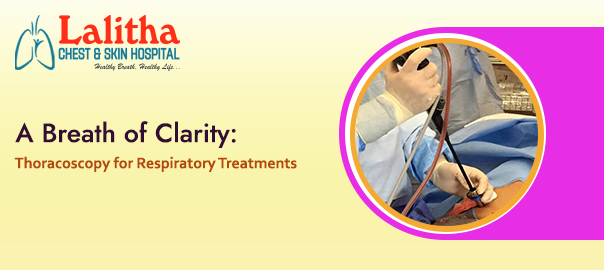
A Breath of Clarity: Thoracoscopy for Respiratory Treatments in Karimnagar

Each critical lung and chest condition often originates from seemingly innocuous symptoms that persist over time. The sharp chest pain, intensifying with deep breaths, sporadic shortness of breath, persistent dry cough, wheezing, and occasional chest pain are warning signs that start intermittently but persist until they become unbearable for patients.

Standard management and treatments may fail to identify and treat these issues, prompting chest and lung specialists to rely on advanced diagnostic procedures like a Thoracoscopy. This sophisticated method helps identify the underlying causes, enabling targeted treatment for unexplained chest and lung conditions.

Thoracoscopy in Karimnagar:  A Revolutionary Leap in Chest and Lung Healthcare

There was a time when diagnosing chest and lung problems required a meticulous exploration of the chest cavity, a challenge due to limited medical advances. Imaging techniques such as X-rays and CT scans fell short of providing sufficient detail, while biopsy procedures needed to have the required accuracy and invasive surgical procedures extended recovery timelines.

Enter Thoracoscopy, a revolutionary diagnostic procedure. It offers a minimally invasive yet highly accurate method to visualize the chest and lung cavity directly. “This approach minimizes discomfort and enhances accuracy, promoting an easy recovery process. Thoracoscopy represents a significant leap forward in the precision and patient-friendliness of chest and lung condition diagnostic procedures,” says best lung doctor in Karimnagar, Dr. Raj Kumar Korra.

What is Thoracoscopy?

Thoracoscopy is essential in visually examining the surface of the lungs and the area around the lungs (pleural space), chest cavity, and other structures surrounding it for making diagnoses without more invasive procedures.

Thoracoscopy Procedure – How is Thoracoscopy Performed?

The visual examination uses a Thoracoscopy, a thin tubular instrument with a light and camera. The tube is inserted through a small incision between the ribs near the shoulder blade. Additional incisions are made for manoeuvrable instruments.

Thoracoscopy can be diagnostic, allowing examination of the chest cavity and lung surface or obtaining samples for biopsy. It may also be a part of minimally invasive Thoracoscopy surgery for chest or lung procedures.

When is Thoracoscopy Recommended?

Thoracoscopy is a revolutionary diagnostic method commonly used to identify the cause of unexplained lung and chest problems. Persistent chest pain, troubled breathing, coughing up blood, and wheezing are common symptoms that may warrant Thoracoscopy.

Given its comprehensiveness and accuracy, it is considered a standard procedure for investigating the following symptoms and indications:

Indications That Can Demand Thoracoscopy:

Unexplained chest problems and trauma: Regular diagnostic tests cannot diagnose abnormal chest pain and trauma, breathing difficulties, and persistent cough. A pulmonologist recommends Thoracoscopy to find the exact cause of the chest trauma and problems.

Identification of lung cancer: Thoracoscopy can also be used to determine the cancerous nature of lung nodules identified by imaging studies.

Unexplained pleural effusions: Pleural effusions where fluid surrounds the lungs, can result in breathlessness, chest pain, fatigue, shallow breathing and fever. When standard tests like X-rays and CT scans fail to identify the cause, Thoracoscopy becomes a crucial diagnostic tool for prompt treatment

Pleural Cancer: Pleural cancer, a lethal respiratory condition, presents with symptoms like persistent cough, chest pain, difficulty breathing, and unexplained weight loss. Subtle symptoms pose a diagnostic challenge, emphasizing the crucial role of early detection for effective treatment. Thoracoscopy, through direct visualization and biopsy, proves invaluable for timely intervention and improved outcomes.

Evaluating the spread of lung cancer: For individuals diagnosed with lung cancer, it can also be used to identify the extent of the tumour to enable adequate treatment methodologies.

Treatment for pleural diseases: Thoracoscopy is also recommended to remove cysts and foreign bodies and treat pleural infections and conditions like pneumothorax.

Evaluating pleural thickening and pleural adhesions: Thoracoscopy is a sensitive and accurate diagnostic method for assessing pleural thickening and pleural adhesions, which can restrict the movement of the lungs and impact breathing mechanics, leading to shortness of breath.

“There are many causes of symptoms like wheezing, breathing difficulties, chest pain, fatigue, rapid weight loss, coughing up blood, and persistent coughing. Some causes are straightforward, while others result from serious medical problems that impact the chest and lungs. Thoracoscopy helps shed light on the unexplained causes of these symptoms to help us treat them effectively,” says the top pulmonologist in Karimnagar, Dr. Raj Kumar Korra.

Lalitha Chest & Skin Hospital – Thoracoscopy for Respiratory Treatments in Karimnagar

At Lalitha Chest and Skin Hospital in Karimnagar, we house one of the most advanced medical and diagnostic infrastructures. Lalitha Chest and Skin Hospital provides Karimnagar’s most advanced and secure lung health care. With more than 300 Thoracoscopies in Karimnagar, our top pulmonologist, Dr. Raj Kumar Korra, boasts an exceptional track record in leveraging Thoracoscopy for treating respiratory problems. You can explore our pulmonology services here for more information on the procedure.

If you are still searching on Google with phrases like “top lung doctor near me” or “top chest doctor near me” to seek help for your lung and chest problems, let us save you time. Gold medallist Dr. Raj Kumar Korra is the best lung and chest doctor in Karimnagar who can help you solve your persistent lung and chest problems. You can consult him here.