
Tag Archives: lungs specialist doctor near me

Skin Allergy Test Guide | Symptoms, Procedure, and Results

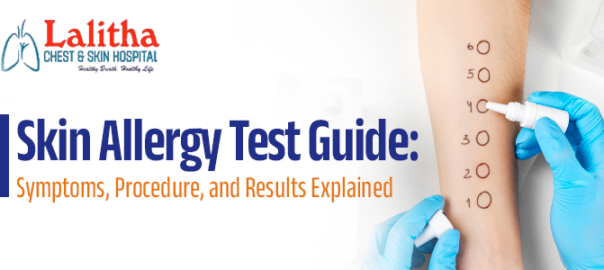
Skin Allergy Test Guide: Symptoms, Procedure, and Results Explained

Respiratory allergies are becoming increasingly common due to pollution, seasonal changes, and environmental triggers. Symptoms like sneezing, coughing, nasal congestion, and breathing discomfort can affect daily life and reduce overall well-being. Identifying the exact cause of an allergy is essential for effective treatment — and this is where respiratory allergy skin testing plays an important role.

Based on insights from Dr. Raj Kumar Korra of Lalitha Chest and Skin Hospital, this blog explains when testing may be needed, the symptoms to watch for, how the procedure works, and what your results actually mean.

What Is Allergy Skin Testing?

Respiratory allergy skin testing is a simple diagnostic procedure used to identify substances that trigger allergic reactions affecting the lungs and airways. These allergens may include dust mites, pollen, mold, pet dander, or certain environmental particles.

During the test, small amounts of suspected allergens are introduced to the skin to observe how the immune system reacts. The goal is to pinpoint the exact triggers so doctors can recommend personalized treatment and prevention strategies.

Respiratory allergy skin testing is an essential diagnostic tool that helps determine allergy triggers behind asthma, allergic rhinitis, and other respiratory conditions,” says Dr. Raj Kumar Korra, MD, a leading asthma specialist.

Common Symptoms That May Require Allergy Testing

Many people overlook early signs of respiratory allergies, assuming they are just seasonal colds. However, persistent symptoms may indicate an allergic condition rather than an infection.

Key warning signs include:

  • Frequent sneezing or a runny nose
  • Nasal blockage or sinus pressure
  • Chronic cough or throat irritation
  • Wheezing or shortness of breath
  • Itchy eyes, nose, or throat
  • Symptoms that worsen in dust, pollen seasons, or certain environments

If these issues persist for weeks or recur, your doctor may recommend a respiratory allergy skin test to identify the underlying cause.

Types of Respiratory Allergens Usually Tested

Skin testing often includes a panel of common airborne triggers. These may vary based on your location and lifestyle.

Common allergens include:

  • House dust mites
  • Pollen from trees, weeds, or grasses
  • Mold spores
  • Animal dander
  • Indoor pollutants or environmental particles

Identifying specific allergens helps reduce unnecessary medications and allows targeted treatment.

How the Skin Testing Procedure Works

One of the biggest advantages of respiratory allergy skin testing is that it is quick, minimally invasive, and usually completed within a short clinic visit.

Step-by-step process:

  1. Preparation: The skin, usually on the forearm or back, is cleaned.
  2. Application: Tiny drops of allergen extracts are placed on the skin.
  3. Skin Prick: A small sterile device lightly pricks the surface so the allergen enters the skin layer.
  4. Observation: After about 15–20 minutes, the doctor checks for reactions such as redness or swelling.

The procedure is generally well tolerated and does not require injections or complex preparation.

Is the Test Painful or Risky?

Most patients feel only a mild tingling or itching sensation during the test. Serious reactions are rare because the allergens are used in controlled amounts and testing is performed under medical supervision.

However, patients should always inform their doctor about:

  • Current medications
  • Severe asthma history
  • Previous allergic reactions

Following medical advice before the test ensures accurate and safe results.

Understanding Your Test Results

After the observation period, the doctor measures any skin reactions. A raised bump or redness may indicate sensitivity to a particular allergen.

What the results mean:

  • Positive Reaction: Suggests sensitivity to that allergen.
  • Negative Reaction: No significant response detected.
  • Clinical Correlation: Results are always interpreted along with symptoms and medical history.

A positive result does not always mean a severe allergy; it simply shows that your immune system recognizes that substance.

Benefits of Allergy Skin Testing

Accurate diagnosis helps both patients and healthcare providers make better treatment decisions.

Advantages include:

  • Quick and reliable results
  • Identification of specific triggers
  • Personalized allergy management plans
  • Reduced trial-and-error medication use
  • Improved long-term respiratory health

With the right diagnosis, patients can focus on prevention, lifestyle adjustments, and targeted therapy.

Preparing for the Test: Important Tips

To ensure accurate results, your doctor may advise you to stop certain antihistamine medications a few days before testing. Wearing comfortable clothing and informing the clinic about existing health conditions can also help make the process smoother.

When Should You See a Specialist?

If you experience frequent breathing issues, seasonal allergies, or persistent nasal symptoms, consulting an allergy or respiratory specialist is recommended. Early testing can prevent complications and improve quality of life.

If you’re in Karimnagar and searching online for “breathing allergy treatment,” “allergy asthma clinic near me,” or “asthma allergy specialist near me,” Lalitha Chest and Skin Hospital is a trusted destination. Under the expert care of Dr. Raj Kumar Korra, an experienced pulmonologist known for managing respiratory allergies, patients receive reliable, personalized treatment. To book an appointment, please visit our website: https://lalithachestandskinhospital.com/
Thoracoscopy for Respiratory Treatment in Karimnagar

A Breath of Clarity: Thoracoscopy for Respiratory Treatments in Karimnagar

Each critical lung and chest condition often originates from seemingly innocuous symptoms that persist over time. The sharp chest pain, intensifying with deep breaths, sporadic shortness of breath, persistent dry cough, wheezing, and occasional chest pain are warning signs that start intermittently but persist until they become unbearable for patients.

Standard management and treatments may fail to identify and treat these issues, prompting chest and lung specialists to rely on advanced diagnostic procedures like a Thoracoscopy. This sophisticated method helps identify the underlying causes, enabling targeted treatment for unexplained chest and lung conditions.

Thoracoscopy in Karimnagar:  A Revolutionary Leap in Chest and Lung Healthcare

There was a time when diagnosing chest and lung problems required a meticulous exploration of the chest cavity, a challenge due to limited medical advances. Imaging techniques such as X-rays and CT scans fell short of providing sufficient detail, while biopsy procedures needed to have the required accuracy and invasive surgical procedures extended recovery timelines.

Enter Thoracoscopy, a revolutionary diagnostic procedure. It offers a minimally invasive yet highly accurate method to visualize the chest and lung cavity directly. “This approach minimizes discomfort and enhances accuracy, promoting an easy recovery process. Thoracoscopy represents a significant leap forward in the precision and patient-friendliness of chest and lung condition diagnostic procedures,” says best lung doctor in Karimnagar, Dr. Raj Kumar Korra.

What is Thoracoscopy?

Thoracoscopy is essential in visually examining the surface of the lungs and the area around the lungs (pleural space), chest cavity, and other structures surrounding it for making diagnoses without more invasive procedures.

Thoracoscopy Procedure – How is Thoracoscopy Performed?

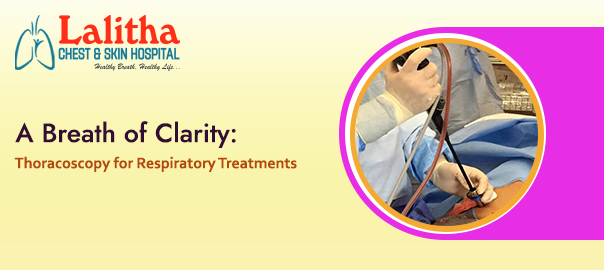
The visual examination uses a Thoracoscopy, a thin tubular instrument with a light and camera. The tube is inserted through a small incision between the ribs near the shoulder blade. Additional incisions are made for manoeuvrable instruments.

Thoracoscopy can be diagnostic, allowing examination of the chest cavity and lung surface or obtaining samples for biopsy. It may also be a part of minimally invasive Thoracoscopy surgery for chest or lung procedures.

When is Thoracoscopy Recommended?

Thoracoscopy is a revolutionary diagnostic method commonly used to identify the cause of unexplained lung and chest problems. Persistent chest pain, troubled breathing, coughing up blood, and wheezing are common symptoms that may warrant Thoracoscopy.

Given its comprehensiveness and accuracy, it is considered a standard procedure for investigating the following symptoms and indications:

Indications That Can Demand Thoracoscopy:

Unexplained chest problems and trauma: Regular diagnostic tests cannot diagnose abnormal chest pain and trauma, breathing difficulties, and persistent cough. A pulmonologist recommends Thoracoscopy to find the exact cause of the chest trauma and problems.

Identification of lung cancer: Thoracoscopy can also be used to determine the cancerous nature of lung nodules identified by imaging studies.

Unexplained pleural effusions: Pleural effusions where fluid surrounds the lungs, can result in breathlessness, chest pain, fatigue, shallow breathing and fever. When standard tests like X-rays and CT scans fail to identify the cause, Thoracoscopy becomes a crucial diagnostic tool for prompt treatment

Pleural Cancer: Pleural cancer, a lethal respiratory condition, presents with symptoms like persistent cough, chest pain, difficulty breathing, and unexplained weight loss. Subtle symptoms pose a diagnostic challenge, emphasizing the crucial role of early detection for effective treatment. Thoracoscopy, through direct visualization and biopsy, proves invaluable for timely intervention and improved outcomes.

Evaluating the spread of lung cancer: For individuals diagnosed with lung cancer, it can also be used to identify the extent of the tumour to enable adequate treatment methodologies.

Treatment for pleural diseases: Thoracoscopy is also recommended to remove cysts and foreign bodies and treat pleural infections and conditions like pneumothorax.

Evaluating pleural thickening and pleural adhesions: Thoracoscopy is a sensitive and accurate diagnostic method for assessing pleural thickening and pleural adhesions, which can restrict the movement of the lungs and impact breathing mechanics, leading to shortness of breath.

“There are many causes of symptoms like wheezing, breathing difficulties, chest pain, fatigue, rapid weight loss, coughing up blood, and persistent coughing. Some causes are straightforward, while others result from serious medical problems that impact the chest and lungs. Thoracoscopy helps shed light on the unexplained causes of these symptoms to help us treat them effectively,” says the top pulmonologist in Karimnagar, Dr. Raj Kumar Korra.

Lalitha Chest & Skin Hospital – Thoracoscopy for Respiratory Treatments in Karimnagar

At Lalitha Chest and Skin Hospital in Karimnagar, we house one of the most advanced medical and diagnostic infrastructures. Lalitha Chest and Skin Hospital provides Karimnagar’s most advanced and secure lung health care. With more than 300 Thoracoscopies in Karimnagar, our top pulmonologist, Dr. Raj Kumar Korra, boasts an exceptional track record in leveraging Thoracoscopy for treating respiratory problems. You can explore our pulmonology services here for more information on the procedure.

If you are still searching on Google with phrases like “top lung doctor near me” or “top chest doctor near me” to seek help for your lung and chest problems, let us save you time. Gold medallist Dr. Raj Kumar Korra is the best lung and chest doctor in Karimnagar who can help you solve your persistent lung and chest problems. You can consult him here.