
Tag Archives: good pulmonologist near me

Pulmonary Tuberculosis: Symptoms, Treatment & Prevention

Understanding Pulmonary Tuberculosis: Symptoms, Treatment Options, and Prevention

Pulmonary Tuberculosis (TB) remains a significant health concern worldwide, particularly in low- and middle-income countries. It is a bacterial infection that first affects the lungs but can also spread to other parts of the body. Despite being preventable and curable, TB continues to infect millions each year.

With insights from Dr. Raj Kumar Korra of Lalitha Chest and Skin Hospital, this blog provides an in-depth overview of pulmonary tuberculosis, focusing on its symptoms, available treatment options, and Prevention.

What is Pulmonary Tuberculosis?

Pulmonary Tuberculosis is a lung infection caused by the bacterium Mycobacterium tuberculosis. It transmits through airborne particles released when a person with active TB coughs, sneezes, or talks. A distinctive feature of TB is its ability to remain dormant in the body for years without producing any noticeable symptoms.

This is known as latent TB. When the bacteria become active, it leads to active TB disease, which is contagious and requires medical attention”, says Dr. Raj Kumar Korra, MD, a leading TB specialist in Karimnagar.

Symptoms of Pulmonary Tuberculosis:

The symptoms of pulmonary TB develop gradually and may vary depending on the stage of the disease. Some of the most common signs include:

  • Persistent Cough lasting more than 2-3 weeks
  • Coughing up blood or phlegm
  • Chest pain, especially while breathing or coughing
  • Fatigue and weakness
  • Unexplained weight loss
  • Loss of appetite
  • Fever and night sweats

If you or someone you know is experiencing these symptoms, especially if you live in a high-risk area, it’s important to seek medical attention immediately.

Diagnosis and Medical Evaluation:

Diagnosing pulmonary TB involves a combination of medical history, physical examination, and laboratory tests. The most common diagnostic tools include:

  1. Sputum test: A sample of mucus from the lungs is tested for TB bacteria.
  2. Chest X-ray: Helps identify lung damage and abnormalities.
  3. Tuberculin skin test (TST) or Interferon-Gamma Release Assays (IGRAs) to detect latent TB.
  4. CT scans or bronchoscopy in more complex cases.

Early diagnosis is crucial in preventing the spread of the disease and starting treatment promptly.

Treatment Options for Pulmonary Tuberculosis:

TB is treatable with a strict course of antibiotics over several months. The standard treatment involves:

  1. 6-month regimen of antibiotics, typically including Isoniazid, Rifampicin, Pyrazinamide, and Ethambutol.
  2. Directly Observed Therapy (DOT) may be recommended to ensure patients complete the treatment.
  3. Drug-resistant TB may require second-line medications and extended treatment duration.

It’s essential to complete the entire treatment course to prevent relapse or the development of drug-resistant TB.

Prevention of Pulmonary Tuberculosis:

Preventing the spread of TB involves a mix of public health measures and individual responsibility:

  1. Early Detection and Treatment: Treating active TB cases helps stop transmission.
  2. Vaccination: The BCG (Bacillus Calmette-Guerin) vaccine offers protection, especially in children.
  3. Good Ventilation: Since TB bacteria spread through the air, well-ventilated living spaces help reduce risk.
  4. Use of Masks: In high-risk environments, wearing masks can reduce inhalation of infectious droplets.
  5. Covering the Mouth While Coughing/Sneezing: Basic hygiene practices go a long way.
  6. Regular Screenings: Especially for people living in close quarters, healthcare workers, and individuals with weak immune systems.

Pulmonary Tuberculosis is a serious illness, but it is both preventable and curable with the right knowledge and action. Awareness of symptoms, timely diagnosis, proper medical care, and preventive steps can protect individuals and communities alike. If you experience persistent respiratory issues, don’t ignore them—early detection saves lives.

If you’re in Karimnagar and searching online for terms like “best tb doctor near me,” “good pulmonologist near me,” or “best pulmonologists near me,” Lalitha Chest and Skin Hospital is your go-to center—led by Dr. Raj Kumar Korra, a best lung doctor known for effectively treating Pulmonary Tuberculosis. Please book your appointment today by visiting our website: https://lalithachestandskinhospital.com/
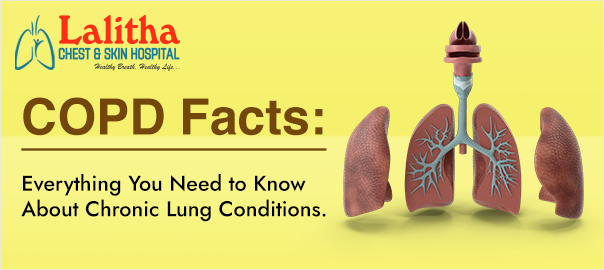
COPD Awareness: Types, Causes, Symptoms & Prevention Tips

COPD Awareness: Types, Causes, Symptoms and Prevention Tips

COPD is a chronic lung disease caused by long-term exposure to irritants like cigarette smoke. It leads to breathing difficulties due to damaged airways and air sacs. Symptoms of COPD include coughing, wheezing, shortness of breath, and chest tightness.

“There’s no cure, but treatments like medications and lifestyle changes can manage symptoms and improve quality of life,” says Dr. Raj Kumar Korra, a chest specialist. But what exactly is COPD, how does it manifest in patients, and how can one prevent it? Every patient must be aware of this silent yet deadly disease.

With inputs from the best lung doctor in Karimnagar, Dr. Raj Kumar Korra, we aim to improve awareness about this condition in our blog here. Today, we dive into the types of COPD, their causes, symptoms, preventive tips, and also treatment options. Read on:

Types of COPD:

COPD is commonly divided into two main types: Chronic Bronchitis and Emphysema.

Chronic bronchitis: Involves long-term inflammation of the bronchial tubes, leading to increased mucus production and a persistent cough.

Emphysema is marked by damage to the air sacs (alveoli) in the lungs, reducing their elasticity and hindering airflow, leading to difficulty exhaling air from the lungs.

These conditions often overlap in individuals with COPD and present a range of symptoms and severity. Identifying the specific type is crucial for tailoring treatment plans to effectively manage symptoms and improve the patient’s quality of life.

What causes COPD?

COPD is primarily caused by smoking, but environmental factors like air pollution and genetic predisposition also play significant roles in its development.

  1. Smoking:
  • Cigarette smoke is the primary cause of COPD.
  • Smoking damages lung tissue and leads to inflammation and scarring.
  • Heavy and prolonged smoking significantly increases COPD risk.
  1. Second-hand smoke:
  • Inhaling smoke from others’ cigarettes can also cause COPD.
  • Non-smokers exposed to second-hand smoke are at risk, especially in enclosed spaces.
  1. Environmental pollution:
  • Air pollution from vehicles, industrial emissions, and burning of fossil fuels.
  • Exposure to particulate matter and harmful gases contributes to lung damage.
  1. Genetic factors:
  • Alpha-1 Antitrypsin Deficiency: A genetic condition predisposing to COPD.
  • Individuals with this deficiency lack a protein that protects the lungs from damage.

What are the precautions we need to take for COPD?

  1. Quit smoking: The most crucial step to slow COPD progression.
  2. Avoid second-hand smoke: Avoid environments where others smoke to prevent further lung damage.
  3. Protect from air pollution: Minimize exposure to polluted areas and wear a mask when necessary.
  4. Stay active: Regular physical activity improves lung function and overall health.
  5. Followthe treatment plan: Take medications as prescribed, attend pulmonary rehabilitation, and regularly follow up with healthcare providers.

What are the symptoms of COPD?

COPD, or Chronic Obstructive Pulmonary Disease, is characterized by a range of symptoms that progressively worsen over time. The most common symptoms include:

  1. Shortness of breath: Initially occurring during physical exertion, it eventually happens during rest or sleeping.
  2. Chronic cough: A persistent cough that produces mucus, which may be clear, white, yellow, or greenish.
  3. Wheezing: A high-pitched whistling sound when breathing, particularly during exhalation.
  4. Chest tightness: Chest tightness refers to a feeling of pressure or constriction in the chest, which can cause discomfort or difficulty breathing deeply.
  5. Fatigue: Feeling tired or lacking energy can result from the body’s increased effort to breathe.
  6. Frequent respiratory infections: COPD increases the likelihood of frequent respiratory infections such as colds, flu, and pneumonia.

Treatment for COPD:

Treatment for COPD aims to manage symptoms, improve quality of life, and slow disease progression. It typically includes a combination of medications, lifestyle changes, and therapies:

  1. Medications: Bronchodilators and corticosteroids help relax airway muscles and reduce inflammation, improving breathing. Antibiotics may be prescribed for exacerbations.
  2. Lifestyle changes: Quitting smoking is paramount. Pulmonary rehabilitation programs offer exercise training, education, and support.
  3. Oxygen therapy: This involves providing extra oxygen, helping improve oxygen levels in the blood, relieving symptoms, and potentially extending life.
  4. Surgery: In severe cases, surgical options like lung volume reduction surgery or lung transplantation may be considered.
  5. Vaccinations: Annual flu shots and pneumonia vaccines reduce the risk of respiratory infections, which can worsen COPD symptoms.
  6. Symptom management: Inhalers, nebulizers, and oxygen therapy help alleviate symptoms such as shortness of breath and coughing.
  7. Pulmonary rehabilitation: Exercise, nutrition, and emotional support improve COPD management.

Advanced diagnosis and treatment for chronic obstructive pulmonary disease (COPD) and chronic lung diseases are essential for effective management. However, for comprehensive care, combining them with clinical history and physical examination is crucial. Therefore, we highly recommend scheduling an appointment with the best lung doctor in Karimnagar.

If you are in Karimnagar looking for a “good pulmonologist near me” or a “breathing problem specialist doctor” on Google, your search ends at Lalitha Chest and Skin Hospital. Led by a leading lung specialist in Karimnagar, Dr. Raj Kumar Korra, we treat all lung problems before they create problems for you. To schedule an appointment, please visit: https://lalithachestandskinhospital.com/