
Tag Archives: best TB doctor near me

Pulmonary Tuberculosis: Symptoms, Treatment & Prevention

Understanding Pulmonary Tuberculosis: Symptoms, Treatment Options, and Prevention

Pulmonary Tuberculosis (TB) remains a significant health concern worldwide, particularly in low- and middle-income countries. It is a bacterial infection that first affects the lungs but can also spread to other parts of the body. Despite being preventable and curable, TB continues to infect millions each year.

With insights from Dr. Raj Kumar Korra of Lalitha Chest and Skin Hospital, this blog provides an in-depth overview of pulmonary tuberculosis, focusing on its symptoms, available treatment options, and Prevention.

What is Pulmonary Tuberculosis?

Pulmonary Tuberculosis is a lung infection caused by the bacterium Mycobacterium tuberculosis. It transmits through airborne particles released when a person with active TB coughs, sneezes, or talks. A distinctive feature of TB is its ability to remain dormant in the body for years without producing any noticeable symptoms.

This is known as latent TB. When the bacteria become active, it leads to active TB disease, which is contagious and requires medical attention”, says Dr. Raj Kumar Korra, MD, a leading TB specialist in Karimnagar.

Symptoms of Pulmonary Tuberculosis:

The symptoms of pulmonary TB develop gradually and may vary depending on the stage of the disease. Some of the most common signs include:

  • Persistent Cough lasting more than 2-3 weeks
  • Coughing up blood or phlegm
  • Chest pain, especially while breathing or coughing
  • Fatigue and weakness
  • Unexplained weight loss
  • Loss of appetite
  • Fever and night sweats

If you or someone you know is experiencing these symptoms, especially if you live in a high-risk area, it’s important to seek medical attention immediately.

Diagnosis and Medical Evaluation:

Diagnosing pulmonary TB involves a combination of medical history, physical examination, and laboratory tests. The most common diagnostic tools include:

  1. Sputum test: A sample of mucus from the lungs is tested for TB bacteria.
  2. Chest X-ray: Helps identify lung damage and abnormalities.
  3. Tuberculin skin test (TST) or Interferon-Gamma Release Assays (IGRAs) to detect latent TB.
  4. CT scans or bronchoscopy in more complex cases.

Early diagnosis is crucial in preventing the spread of the disease and starting treatment promptly.

Treatment Options for Pulmonary Tuberculosis:

TB is treatable with a strict course of antibiotics over several months. The standard treatment involves:

  1. 6-month regimen of antibiotics, typically including Isoniazid, Rifampicin, Pyrazinamide, and Ethambutol.
  2. Directly Observed Therapy (DOT) may be recommended to ensure patients complete the treatment.
  3. Drug-resistant TB may require second-line medications and extended treatment duration.

It’s essential to complete the entire treatment course to prevent relapse or the development of drug-resistant TB.

Prevention of Pulmonary Tuberculosis:

Preventing the spread of TB involves a mix of public health measures and individual responsibility:

  1. Early Detection and Treatment: Treating active TB cases helps stop transmission.
  2. Vaccination: The BCG (Bacillus Calmette-Guerin) vaccine offers protection, especially in children.
  3. Good Ventilation: Since TB bacteria spread through the air, well-ventilated living spaces help reduce risk.
  4. Use of Masks: In high-risk environments, wearing masks can reduce inhalation of infectious droplets.
  5. Covering the Mouth While Coughing/Sneezing: Basic hygiene practices go a long way.
  6. Regular Screenings: Especially for people living in close quarters, healthcare workers, and individuals with weak immune systems.

Pulmonary Tuberculosis is a serious illness, but it is both preventable and curable with the right knowledge and action. Awareness of symptoms, timely diagnosis, proper medical care, and preventive steps can protect individuals and communities alike. If you experience persistent respiratory issues, don’t ignore them—early detection saves lives.

If you’re in Karimnagar and searching online for terms like “best tb doctor near me,” “good pulmonologist near me,” or “best pulmonologists near me,” Lalitha Chest and Skin Hospital is your go-to center—led by Dr. Raj Kumar Korra, a best lung doctor known for effectively treating Pulmonary Tuberculosis. Please book your appointment today by visiting our website: https://lalithachestandskinhospital.com/
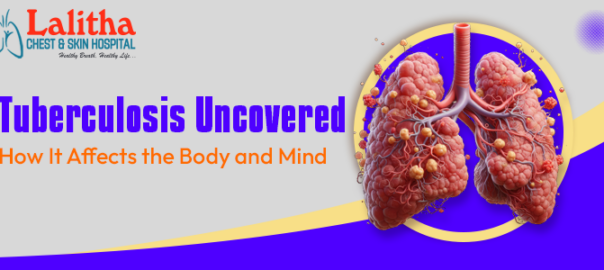
Tuberculosis Uncovered: How It Affects the Body and Mind

Tuberculosis Uncovered: How It Affects the Body and Mind

Tuberculosis (TB) remains a significant global health issue, affecting millions annually despite medical advancements. This article examines how TB impacts both physical and mental health, aiming to provide a clearer understanding of this enduring disease.

According to Dr. Raj Kumar Korra, a leading tuberculosis specialist in Karimnagar, tuberculosis (TB) is a serious infectious disease that primarily affects the lungs but can also spread to other parts of the body. Early detection and appropriate treatment are essential for effective management and prevention of transmission.

What is Tuberculosis?

Tuberculosis (TB) is an infectious disease caused by the bacterium Mycobacterium tuberculosis. While it primarily targets the lungs, it can spread to other areas like the kidneys, spine, and brain. TB spreads through airborne droplets released when an infected person coughs, sneezes, or speaks, making it highly transmissible in close-contact settings.

Physical Effects of Tuberculosis:

  1. Pulmonary Symptoms

The lungs are the most commonly affected organs. Symptoms of pulmonary TB include:

  • A persistent cough lasting more than three weeks
  • Chest pain
  • Blood or mucus in cough

Lung tissue damage caused by TB can lead to scarring and reduced breathing capacity. Without timely treatment, it may result in severe respiratory issues.

  1. Extrapulmonary TB

When TB bacteria spread beyond the lungs, they can affect other body parts, leading to:

  • Skeletal TB: Involves bones and joints, causing pain and deformities.
  • Meningitis: Infection of brain and spinal cord membranes, resulting in severe headaches, confusion, and seizures.
  • Abdominal TB: Affects the digestive system, causing pain, diarrhea, and significant weight loss.
  1. Systemic Impact

TB often leads to systemic symptoms such as fever, night sweats, fatigue, and drastic weight loss, historically referred to as “consumption” due to the body’s wasting appearance.

Mental Health Effects of Tuberculosis:

  1. Emotional Stress

A TB diagnosis can induce considerable emotional strain, including:

  • Anxiety over the disease’s progression
  • Fear of infecting family and friends
  • Social withdrawal due to perceived stigma
  • Cognitive Challenges

Causes:

  • Memory problems
  • Difficulty focusing
  • Long-term mental impairment
  1. Social Stigma

The stigma associated with TB often worsens patients’ mental health, leading to feelings of isolation, shame, and depression.

The Path to Recovery:

  1. Early Detection:

Symptoms such as persistent coughing, unexplained weight loss, fever, and night sweats should not be ignored. Prompt testing can prevent the disease from worsening.

  1. Adherence to Treatment:

TB is treatable with antibiotics, but strict adherence to the full course of medication is essential to prevent drug resistance.

  1. Holistic Care:

Integrating physical and mental health support can improve outcomes for TB patients. Counseling, support groups, and adequate nutrition play crucial roles in recovery.

Global Efforts to Combat TB:

The World Health Organization (WHO) aims to eliminate TB as a public health threat by 2035 through initiatives such as:

  • Enhancing TB diagnosis and treatment access.
  • Raising awareness to reduce stigma.
  • Promoting research into faster and more effective treatments.

“Tuberculosis is not just a physical illness; it affects emotional and social well-being, underscoring the need for comprehensive care and support. Understanding its impact can foster empathy and drive efforts to combat this disease. With medical advancements and community involvement, we can move closer to eradicating TB and its far-reaching consequences”, says chest specialist in Karimnagar Dr. Raj Kumar Korra.

If you are looking for TB treatment and find yourself searching for phrases like “best TB specialist near me” or “TB hospital near me” to get help for your TB issues, let us help you save time. Dr. Raj Kumar Korra, a Gold medallist and renowned TB doctor, is an expert in resolving persistent lung and chest problems. Schedule your appointment today by visiting our website: https://lalithachestandskinhospital.com/