
Tag Archives: best skin specialist near me

Latest HIV/AIDS Treatment | Modern Advances & Effective Care

Understanding HIV/AIDS Treatments: Latest Advances and Effective Options

Over the past few decades, the treatment landscape for HIV (Human Immunodeficiency Virus) and AIDS (Acquired Immunodeficiency Syndrome) has changed dramatically. What was once considered a life-threatening illness has now become a manageable chronic condition, thanks to continuous medical research and advanced treatment options.

“HIV/AIDS is no longer a fatal disease but a manageable condition with proper treatment and regular medical follow-ups,” says Dr. B. Jyothi, the best skin specialist in Karimnagar, emphasizing the importance of early diagnosis and consistent adherence to antiretroviral therapy for effective management.

In this blog, let’s explore how HIV treatments work, the latest innovations in therapy, and the most effective options available today.

What Is HIV and How It Affects the Body?

HIV is a virus that weakens the immune system by attacking CD4 cells (T-cells)—the body’s primary defense against infections. Over time, if left untreated, the virus reduces the body’s ability to fight off infections and diseases, eventually leading to AIDS, the most advanced stage of HIV infection.

Goals of HIV Treatment

The main goal of HIV treatment is to control the virus, improve the quality of life, and prevent transmission to others. With timely diagnosis and proper medical care, individuals living with HIV can lead long, healthy lives. Effective treatment also helps keep the viral load so low that it becomes undetectable, meaning the virus cannot be transmitted sexually — a concept known as U=U (Undetectable = Untransmittable).

Antiretroviral Therapy (ART): The Foundation of HIV Treatment

The core of HIV management is Antiretroviral Therapy (ART) — a combination of medications that stops the virus from multiplying in the body. By doing so, ART helps:

  • Maintain a strong immune system
  • Reduce the risk of HIV transmission
  • Improve overall health and longevity

Modern ART regimens are simpler and more effective than ever before. In most cases, treatment involves taking just one pill a day, combining multiple drugs into a single dose.

Latest Advances in HIV Treatment

In recent years, there have been several breakthroughs in HIV treatment that are transforming the way patients manage the disease:

  1. Long-Acting Injectable Treatments:

Instead of taking daily pills, patients can now receive monthly or bi-monthly injections that keep the virus under control. This approach is convenient and helps improve treatment adherence.

  1. Pre-Exposure Prophylaxis (PrEP) and Post-Exposure Prophylaxis (PEP):
  • PrEP is a preventive medication taken by people who are at high risk of contracting HIV.
  • PEP is used after possible exposure to the virus and must be started within 72 hours.

Both options are highly effective when taken correctly.

  1. New Drug Formulations:

Researchers are developing drugs with fewer side effects, better resistance profiles, and longer duration of action, making treatment safer and more comfortable for patients.

  1. Gene Therapy and Immune Modulation:

Ongoing studies are exploring how gene editing technologies like CRISPR can potentially remove or disable the virus from infected cells — a step toward finding a functional cure.

Effective Treatment Options Available Today

Some of the most commonly prescribed classes of antiretroviral drugs include:

  • Nucleoside Reverse Transcriptase Inhibitors (NRTIs) – e.g., Tenofovir, Emtricitabine
  • Non-Nucleoside Reverse Transcriptase Inhibitors (NNRTIs) – e.g., Efavirenz, Rilpivirine
  • Protease Inhibitors (PIs) – e.g., Atazanavir, Darunavir
  • Integrase Strand Transfer Inhibitors (INSTIs) – e.g., Dolutegravir, Bictegravir

Your healthcare provider will recommend a combination that best suits your health status, lifestyle, and potential drug interactions.

Living Well with HIV

With proper treatment and regular monitoring, individuals living with HIV can expect a near-normal lifespan. Maintaining a healthy lifestyle — including balanced nutrition, exercise, mental wellness, and adherence to medications — plays a key role in overall well-being.

The Road Ahead: Hope for a Cure

While there is still no permanent cure for HIV, ongoing research brings continuous progress. Scientists are working toward developing therapeutic vaccines and gene-based treatments that could one day eliminate the virus. Until then, early diagnosis and consistent treatment remain the most effective ways to manage HIV and prevent its spread.

The journey of HIV treatment is one of the most remarkable achievements in modern medicine. Today, with advanced therapies and greater awareness, HIV is no longer a death sentence but a manageable condition. Staying informed, seeking timely medical care, and following prescribed treatment can make a world of difference for those affected.

For expert guidance and effective treatment options, it’s highly recommended to schedule an appointment with a specialized dermatologist. If you’re searching online for “HIV AIDS doctor near me,” “AIDS specialist near me,” or “AIDS doctor near me,” your search ends here! Dr. B. Jyothi, Karimnagar’s trusted HIV and AIDS specialist, provides advanced AIDS and skin care treatments. For inquiries or appointments, please contact us at Lalitha Chest & Skin Hospital.

Leprosy Symptoms, Diagnosis & Treatment | Comprehensive Guide

Comprehensive Guide to Leprosy Symptoms, Diagnosis, and Treatment

Leprosy, also known as Hansen’s disease, is a chronic infectious condition caused by the bacterium Mycobacterium leprae. Despite widespread misconceptions, leprosy is both treatable and preventable with modern medicine. Early diagnosis and timely treatment are key to managing the disease and preventing long-term complications.

With guidance from Dr. B. Jyothi of Lalitha Chest and Skin Hospital, this blog aims to provide a comprehensive overview of Leprosy, focusing on its symptoms, diagnosis, and available treatment options.

What is Leprosy?

“Leprosy primarily affects the skin, nerves, mucous membranes, and eyes. Although the disease has been historically stigmatized, understanding its nature can help reduce fear and promote early intervention,” says Dr. B. Jyothi, a leading dermatologist in Karimnagar.

Symptoms of Leprosy:

Leprosy symptoms often develop slowly over months or even years after infection. Common signs include:

  1. Skin Lesions: Areas of the skin that appear pale or reddish, may feel numb, and might persist without healing over several weeks.
  2. Numbness: Loss of sensation in the hands, feet, arms, or legs due to nerve involvement.
  3. Thickened Nerves: Often felt as lumps under the skin, especially around the elbows, knees, and sides of the neck.
  4. Muscle Weakness: Particularly in the hands and feet.
  5. Eye Problems: If facial nerves are affected, it can lead to dryness and eye damage.

In more complex situations, unmanaged leprosy may result in significant nerve injury, impairment, and physical deformities.

How is Leprosy Diagnosed?

Diagnosis is primarily based on clinical signs, but healthcare providers may use:

  • Skin Examination: Doctors examine the skin for characteristic patches and test for loss of sensation.
  • Skin Smear Test or Biopsy: Laboratory tests to detect Mycobacterium leprae in skin samples.
  • Nerve Tests: To assess damage to the peripheral nerves.

Since symptoms develop slowly, seeking medical advice at the first sign of skin changes or numbness is critical.

Treatment Options for Leprosy

Leprosy is curable with a course of antibiotics known as Multi-Drug Therapy (MDT), recommended by the World Health Organization (WHO). The treatment typically includes:

  • Rifampicin
  • Dapsone
  • Clofazimine

Treatment duration depends on the type and severity of the disease, usually lasting 6 to 12 months. MDT is provided free of charge in many countries to ensure widespread access.

Supportive treatments may include:
  • Anti-inflammatory medications to manage nerve pain.
  • Physiotherapy to prevent disability.
  • Surgery in severe cases is required to correct deformities or nerve damage.

Importance of Early Diagnosis and Treatment

Early treatment not only cures the disease but also prevents transmission to others. Regular check-ups and compliance with prescribed medications help avoid complications and long-term damage.

If you’re in Karimnagar and searching on Google for “leprosy doctor near me,” “leprosy hospital near me,” or “leprosy center near me,” Lalitha Chest and Skin Hospital is your trusted destination. Dr. B. Jyothi, a renowned skin specialist, excels in leprosy management and provides personalized, expert care. To get more information or schedule an appointment, visit https://lalithachestandskinhospital.com/.

Viral Pneumonia: Causes, Symptoms, Prevention & Treatment

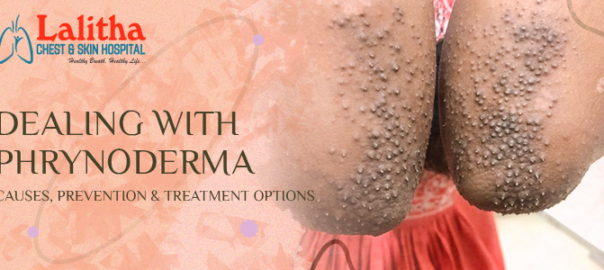
Dealing with Phrynoderma: Causes, Prevention & Treatment Options

Have you noticed rough, bumpy skin on your arms, thighs, or buttocks? Do these bumps feel like sandpaper and refuse to go away, no matter how much you moisturize? If so, you might be dealing with something more than just dry skin.

Many people silently suffer from this condition, mistaking it for common skin problems. But what if we told you that these stubborn bumps could be a sign of a deeper issue: one that affects your body’s ability to absorb essential nutrients? This is Phrynoderma, a form of follicular hyperkeratosis linked to vitamin deficiencies.

The Reality of Phrynoderma: A Hidden Skin Problem

Phrynoderma isn’t just an aesthetic concern: it signals that your body lacks vital nutrients, particularly vitamin A and essential fatty acids. Left untreated, this deficiency can worsen, leading to more severe skin issues, poor immunity, and even vision problems.

But here’s the good news: Phrynoderma is entirely treatable and, better yet, preventable. You don’t have to live with these persistent skin bumps.

In this blog, we’ll discuss the causes of Phrynoderma, treatment options, and prevention measures to help you avoid this condition altogether.

What Causes Phrynoderma?

The primary cause of Phrynoderma is a nutritional deficiency, mainly due to:

  • Lack of Vitamin A: Essential for skin renewal and repair.
  • Deficiency of Essential Fatty Acids: Helps maintain skin hydration and barrier function.
  • Poor Diet: A diet lacking in fruits, vegetables, and healthy fats increases the risk.
  • Digestive Issues: Conditions that hinder nutrient absorption, such as gut disorders, can also lead to Phrynoderma.
  • Chronic Illnesses: Certain medical conditions may deplete your body’s nutrient reserves, making you more susceptible.

How Can You Treat Phrynoderma?

The key to treating Phrynoderma lies in correcting the underlying deficiencies:

  • Vitamin Supplements: Taking Vitamin A, Vitamin C, and E supplementscan help restore skin health.
  • Healthy Diet: Increase intake of green leafy vegetables, carrots, nuts, seeds, and fish oils.
  • Topical Treatments: Medicated creams containing retinoid or mild exfoliantscan smoothen the skin.
  • Hydration & Skincare: Using gentle moisturizersand avoiding harsh soaps can help reduce irritation.

Preventing Phrynoderma: Simple Steps for Healthy Skin

Prevention is always better than cure. Here’s how you can keep Phrynoderma at bay:

  • Eat a Balanced Diet: Include foods rich in Vitamin A, Omega-3 fatty acids, and proteins.
  • Stay Hydrated: Drink plenty of water to keep your skin nourished.
  • Maintain Good Skincare: Regularly exfoliate and moisturize to prevent keratin buildup.
  • Address Underlying Health Issues: If you have digestive or absorption problems, consult a doctor.

Phrynoderma Treatment at Lalitha Chest and Skin Clinic in Karimnagar:

If you’re struggling with persistent skin bumps and suspect it might be Phrynoderma, do not waste time scouring Google with “best skin specialist near me” or “best skin laser clinic near me.” Not every skin specialist has expertise in Phrynoderma treatment. Being a specialized condition, it requires a skin specialist experienced in this treatment.

At Lalitha Chest and Skin Clinic, our skin specialists are highly skilled in diagnosing and treating Phrynoderma and other skin conditions effectively. Whether you are looking for the best skin specialist near you or a best clinic for skin treatment for Phrynoderma treatment, our expert team can provide personalized care to help restore your skin’s health.

Book a consultation today and take the first step toward healthier, smoother skin!


From Dull to Dazzling: How a HydraFacial Can Save Your Skin

From Dull to Dazzling: How a HydraFacial Can Save Your Skin

Everyone desires smooth, radiant, and youthful-looking skin. Instead of investing heavily in various oils, creams, essences, and serums for a multi-step skincare routine, you might achieve a natural glow with a proven and trusted HydraFacial treatment.

“The HydraFacial offers several benefits, including deep cleansing, exfoliation, and hydration, which result in smoother, brighter, and more youthful-looking skin. It also helps improve the appearance of fine lines, wrinkles, and hyperpigmentation while promoting overall skin health,” says a lady skin specialist in Karimnagar at Lalitha Chest & Skin Hospital.

The HydraFacial is a multi-step facial treatment usually conducted with a proprietary machine (HydraFacial MD) created by Edge Systems. Over 3.5 million HydraFacial treatments are performed by dermatologists worldwide each year, attesting to their effectiveness in transforming skin health for the better.

But what is the science behind HydraFacial, what are its types, benefits, and who exactly needs a HydraFacial? With insights from dermatologist Dr. B. Jyothi in Karimnagar, we delve into HydraFacial, exploring its science, customizable options, and the amazing benefits it offers.

The Science Behind The HydraFacial Glow

The HydraFacial isn’t just a feel-good pampering session; it’s backed by science! Here’s a breakdown of the magic happening during each step:

  1. Vortex Technology: This unique technology utilizes a swirling vortex tip to painlessly cleanse, exfoliate, and extract impurities. It removes dead skin cells without harsh scrubbing, minimizing irritation and discomfort.
  2. Customized Serums: The HydraFacial isn’t a one-size-fits-all treatment. Our lady skin specialists will choose a specific blend of serums packed with powerful ingredients like hyaluronic acid, antioxidants, and peptides to target your unique concerns. These serums are delivered deep into your skin, bypassing the surface, for maximum effectiveness.
  3. Immediate and Long-Term Results: You’ll see a visible difference in your skin’s radiance and clarity immediately after your HydraFacial. Over time, with regular treatments, you’ll experience a cumulative effect with improved skin texture, reduced pore size, and a more youthful appearance.

Benefits of a HydraFacial

  • Improves skin tone and texture
  • Reduces wrinkles and fine lines
  • Minimizes pore size
  • Evens out skin pigmentation
  • Hydrates and plumps the skin
  • Improves overall skin health

Who Can Benefit from a HydraFacial?

The beauty of the HydraFacial is that it’s suitable for a wide range of skin types and concerns. Here are some specific examples:

  1. Dry Skin: HydraFacial’s hydrating serums will leave your skin feeling plump and dewy.
  2. Oily Skin: The treatment helps regulate oil production and minimize pore size.
  3. Acne-Prone Skin: Regular HydraFacials can help prevent breakouts and minimize existing blemishes.
  4. Mature Skin: The treatment addresses fine lines, wrinkles, and uneven skin tone.
  5. Hyperpigmentation: HydraFacial serums can help lighten sunspots and dark patches.

Types of HydraFacial Treatments

There are generally three main types of HydraFacial: Signature, Deluxe, and Platinum. Each level offers increasing benefits to target different skin concerns.

  1. Signature HydraFacial: This is the most basic and most affordable HydraFacial treatment. It includes:
  • Cleansing and exfoliation to remove dead skin cells and impurities.
  • Extractions to remove blackheads and whiteheads.
  • Hydration with hyaluronic acid and other nourishing serums to plump and hydrate the skin.
  1. Deluxe HydraFacial: This is a more advanced HydraFacial treatment that includes everything in the Signature HydraFacial, plus:
  • A booster selected to target specific skin concerns, such as fine lines and wrinkles, hyperpigmentation, or acne. The Deluxe HydraFacial is a good option for people who want to address specific skin concerns in addition to cleansing and hydrating their skin.
  1. Platinum HydraFacial: This is the most advanced and most expensive HydraFacial treatment. It includes everything in the Deluxe HydraFacial, plus:
  • Lymphatic drainage to reduce puffiness and improve circulation.
  • Red LED light therapy to stimulate collagen production and improve skin texture. The Platinum HydraFacial is a good option for people who want the most comprehensive HydraFacial treatment available.

Consult with a dermatologist to determine the best type of HydraFacial treatment for your individual needs. We can assess your skin concerns and recommend the appropriate booster serums to achieve your desired results.

To get detailed information and potential treatment approaches, it’s advisable to schedule an appointment with a specialized dermatologist. If you’re still looking on Google for “best skin specialist near me” or a “dermatologist clinic near me” to improve your skin health, then let us save you time! Dr. B. Jyothi is Karimnagar’s best dermatologist and specializes in advanced skin treatments, including HydraFacial, to transform skin health. For inquiries, feel free to contact us at Lalitha Chest & Skin Hospital.


Understanding Pleural Effusion Symptoms, Diagnosis & Treatment

Pleural Effusion: Key Symptoms, Diagnosis, and Treatment Options

Do you experience a sharp, stabbing pain in your chest that intensifies with deep breaths or coughing? Are you struggling with shortness of breath, even when lying down? These could be signs of pleural effusion, a condition where excess fluid accumulates in the space surrounding your lungs.

“Picture your lungs being embraced by a thin, double-layered membrane called the pleura. These layers elegantly line both your lungs and the inner chest wall, sculpting a fluid, lubricated space. With each inhale and exhale, the pleura facilitates the effortless expansion and contraction of your lungs. Yet, when excess fluid interrupts this delicate dance, it can result in breathing difficulties and chest pain”, says Dr. Raj Kumar Korra, the best chest pain doctor in Karimnagar.

With his input, we go deep into this medical condition, explaining the symptoms, diagnosis, and treatment options available for Pleural Effusion.

Common symptoms of pleural effusion:

  • Sharp chest pain: This pain often worsens with coughing, deep breathing, or specific body positions.
  • Shortness of breath (dyspnea): You may feel a constant struggle to breathe, especially when lying down.
  • Dry cough: A persistent, unproductive cough can be a telltale sign of pleural effusion.
  • Rapid, shallow breathing: Your body may try to compensate for breathing difficulties by taking rapid, shallow breaths.
  • Fatigue: The effort of breathing can leave you feeling constantly exhausted.

Diagnosing pleural effusion:

  • Doctor’s exam: Your doctor will listen for abnormal breath sounds using a stethoscope.
  • Imaging tests: Chest X-rays reveal the presence and location of fluid. Ultrasounds offer a clearer picture and help guide fluid sampling (thoracentesis) if needed.
  • Thoracentesis: A needle is inserted into the chest cavity to withdraw fluid for analysis. This helps identify the cause (infection, heart problems, etc.) and relieves pressure on the lungs.
  • Additional tests: Blood tests may be done to check for underlying conditions. In some cases, a CT scan might be needed for a more detailed view.
  • Working together: By combining these steps, your doctor can diagnose pleural effusion and determine the best course of treatment.

What causes pleural effusion?

Several underlying conditions can contribute to pleural effusion. Here’s a breakdown of some common culprits:

  • Heart failure: When your heart weakens and struggles to pump blood efficiently, fluid can back up into the lungs and the pleural space.
  • Pneumonia: Lung infections trigger inflammation and fluid buildup in the pleural space as your body fights off the infection.
  • Liver cirrhosis: Scarring of the liver disrupts blood flow, leading to fluid accumulation throughout the body, including the pleural space.
  • Cancer: Lung cancer or tumors near the lungs can either obstruct the drainage of fluid or directly cause fluid production in the pleura.
  • Blood clots (pulmonary embolism): Blood clots lodged in the lungs can damage tissues and lead to fluid buildup.
  • Kidney disease: When your kidneys malfunction, they can struggle to remove excess fluid from the body, resulting in fluid accumulation in the pleural space.
  • Autoimmune diseases: Conditions like lupus can trigger inflammation in the pleura, leading to fluid accumulation.

What precautions must be taken to prevent pleural effusion?

  • Consult a healthcare provider: Always seek medical advice and follow the recommendations of your healthcare provider. They can provide personalized guidance based on your specific condition.
  • Treat underlying causes: Addressing the underlying cause of pleural effusion is crucial. This may involve treating infections, managing heart failure, addressing cancer, or managing other conditions contributing to the fluid build-up.
  • Medication compliance: If your doctor prescribes medications such as diuretics (water pills) to reduce fluid build-up, take them as directed.
  • Monitor symptoms: Pay attention to any changes in symptoms such as difficulty breathing, chest pain, or worsening cough. Report these changes to your healthcare provider promptly.
  • Dietary changes: In some cases, dietary modifications such as reducing sodium intake may help manage fluid retention.

Treatment for pleural effusion:

Once the cause of pleural effusion is identified, treatment can begin to address the root problem and relieve your symptoms. Here’s an overview of some potential treatment strategies:

  • Medications: Diuretics help reduce fluid accumulation caused by heart failure by increasing urine output. Antibiotics combat infections like pneumonia.
  • Fluid drainage: Procedures like thoracentesis involve inserting a needle into the chest cavity to remove excess fluid, alleviate pressure, and improve breathing.
  • Pleurodesis: This minimally invasive procedure aims to prevent future fluid buildup by creating scar tissue between the pleural layers, effectively “welding” them together. This procedure is often used when fluid keeps re-accumulating after drainage.

If you’re noticing signs that could indicate pleural effusion, it’s vital to seek medical help promptly. Swift diagnosis and tailored treatment are key to managing the condition effectively and avoiding potential complications. With that in mind, we strongly recommend booking an appointment with the nearby respiratory hospital to address your concerns.

If you are in Karimnagar and querying Google Search with keywords like “lung specialist near me” or  “best chest specialist near me, then let us save you time.

Lalitha Chest and Skin Hospital is the best chest hospital in Karimnagar with an exceptional track record in treating all types of Pleural Effusion cases. Under the expertise of Dr. Raj Kumar Korra, a prominent lung specialist in Karimnagar, we provide comprehensive care for all lung-related issues. To schedule your appointment, visit our website for an appointment here: https://lalithachestandskinhospital.com/