Tag Archives: best lungs doctor near me

Effective Scabies Treatment | Symptoms, Causes and Solutions

Understanding Pneumonia: Causes, Symptoms, and Treatment Explained

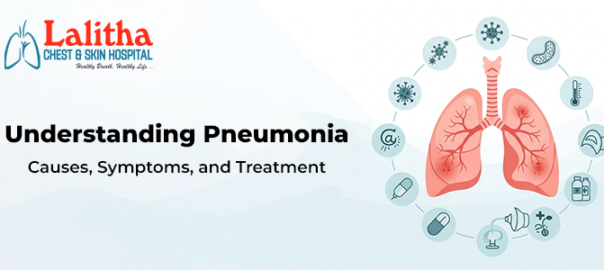
Pneumonia is a common yet potentially serious lung infection that affects people of all ages. Despite being widely known, many individuals are not fully aware of what causes pneumonia, how it presents, or the best ways to manage it. Understanding the condition can help you identify symptoms early and seek proper treatment on time.

Based on insights from Dr. Raj Kumar Korra of Lalitha Chest and Skin Hospital, this blog offers a comprehensive overview of pneumonia, including its causes, symptoms, and available treatment options.

What Is Pneumonia?

Pneumonia is a respiratory infection in which the tiny air sacs inside the lungs become swollen. When these air pockets fill with liquids such as mucus or pus, the lungs cannot expand normally, leading to difficulty breathing and reduced oxygen supply to the body.

Pneumonia can range from mild to life-threatening, depending on the person’s age, general health, and the type of germ causing the infection.

Pneumonia begins when an infection causes inflammation in the air sacs of the lungs; once symptoms progress, it can become a serious condition that requires timely medical care,” says Dr. Raj Kumar Korra, MD, Pulmonologist in Karimnagar.

Causes of Pneumonia

Pneumonia can be triggered by different microorganisms. The main causes include:

  1. Bacteria:

Bacterial pneumonia is one of the most common types. Streptococcus pneumoniae is often the primary culprit. It may occur on its own or after a cold or flu.

  1. Viruses:

Viruses such as influenza, RSV, and even coronaviruses can cause viral pneumonia. This form is usually milder but can become severe in older adults or people with weak immunity.

  1. Fungi:

Fungal pneumonia occurs when fungal spores are inhaled. It is more common in people with chronic health conditions or weakened immune systems.

  1. Other Factors:

Pneumonia can also occur due to aspiration—when food, liquids, or vomit accidentally enter the lungs.

Common Symptoms of Pneumonia

Pneumonia symptoms can vary widely depending on the cause and the person’s overall health. Common signs include:

  • Persistent cough (with or without mucus)
  • Fever, chills, or sweating
  • Shortness of breath
  • Chest pain, especially during breathing or coughing
  • Fatigue and weakness
  • Loss of appetite
  • Nausea or vomiting

In older adults, symptoms may be subtle—such as confusion, low energy, or a sudden decline in activity levels.

How Pneumonia Is Diagnosed

A doctor may use several methods to confirm pneumonia, such as:

  • Physical examination to listen for crackles or abnormal lung sounds
  • Chest X-ray to detect infection in the lungs
  • Blood tests to check for infection
  • Sputum tests to identify the organism causing pneumonia

Early diagnosis helps ensure timely and effective treatment.

Treatment Options for Pneumonia

The treatment depends on the cause and severity of the infection:

  1. Antibiotics: If bacteria are the cause, antibiotics are the main treatment. It’s important to complete the entire course even if symptoms improve.
  2. Antiviral Medications: These may be prescribed if viral pneumonia is suspected, particularly in severe cases.
  3. Antifungal Treatments: Fungal pneumonia requires specific antifungal medicines.
  4. Home Care Measures:

To support recovery, doctors may recommend:

  • Adequate rest
  • Drinking plenty of fluids
  • Using a humidifier
  • Over-the-counter fever reducers (as advised by a healthcare provider)
  1. Hospital Care: Severe pneumonia may require oxygen therapy, IV fluids, or intensive monitoring—especially for infants, older adults, or those with chronic illnesses.

Who is at Higher Risk?

Certain groups are more likely to develop pneumonia or experience severe complications:

  • Older adults (65+)
  • Infants and young children
  • Smokers
  • People with chronic conditions like asthma, COPD, heart disease, or diabetes
  • Individuals with weakened immunity

Preventing Pneumonia

While pneumonia cannot always be prevented, certain steps can reduce the risk:

  • Get vaccinated (flu shot, pneumococcal vaccines)
  • Wash hands regularly
  • Avoid smoking, as it weakens lung function
  • Maintain good hygiene
  • Boost immunity with a healthy diet and adequate rest

When to Seek Medical Attention

Consult a doctor immediately if you experience:

  • Difficulty breathing
  • Persistent high fever
  • Severe chest pain
  • Confusion or excessive fatigue
  • Symptoms that worsen instead of improving

Prompt medical attention can prevent complications and speed up recovery.

Pneumonia is a serious but treatable lung infection. Understanding its causes, recognizing the symptoms early, and seeking proper treatment can significantly improve outcomes. Staying vaccinated, following healthy habits, and protecting your lungs can go a long way in reducing your risk.

If you suspect pneumonia or experience persistent respiratory symptoms, don’t delay—reach out to a healthcare professional for proper evaluation and care.

If you’re in Karimnagar and searching online for terms like “pneumonia hospital near me,” “best doctor for pneumonia near me,” or “best lungs doctor near me,” Lalitha Chest and Skin Hospital is a trusted choice. Under the care of Dr. Raj Kumar Korra, an experienced pulmonologist known for effectively treating pneumonia, you can expect reliable and patient-focused treatment. To book an appointment, please visit our website: https://lalithachestandskinhospital.com/
4 Essential Tips to Prevent Winter Asthma & Allergy Attacks

4 Tips to Avoid Attack of Asthma and Allergy during this Winter

In addition to the chilly cold weather, winters also bring the risk of allergies and asthma, especially in Karimnagar. We often encounter and treat a lot of cases of asthma and allergies during the winter at our chest and skin clinic in Karimnagar.

“Most asthmatics are sensitive to cold air, which can worsen their symptoms. The dust mites, mold, and pet dander also become more concentrated during the winter in closed environments, increasing the allergy flare-ups,” says the asthma specialist in Karimnagar, Dr. Raj Kumar Korra.

So, how should patients suffering from allergies or asthma protect themselves from the increased risk in the winter? Pulmonologist Dr. Raj Kumar Korra at Lalitha Chest and Skin Hospital in Karimnagar is here to answer.

With his insights, we delve into the reasons for the increased risk and then provide four tips to help reduce allergy and asthma risks during winter. Read on:

Why do asthma and allergy cases rise in winter?

The airways in the lungs are protected by a layer of mucus, which evaporates when we inhale the cold air in the winter. This lack of mucus irritates the airways and inflames the lungs, making it harder to breathe and triggering asthma symptoms in patients already at high risk. Chest pain, coughing, wheezing, and chest tightness are some common asthma symptoms that may further exacerbate in the winter, according to asthma specialist Dr. Raj Kumar Korra.

Winters are also the time when everyone spends more time indoors than outdoors. Consequently, allergens like dust mites, mold, and pet dander also tend to thrive in the warm indoors of the winter. So, unfortunately, colder months increase the risk of both allergies and asthma, which in some cases may even lead to hospitalization when not identified and treated promptly.

Then, how does one avoid the risks of allergy and asthma in the winter months?

Here are four tips to avoid attacks of asthma and allergies during the winter:

Limit Indoor Triggers: One must sufficiently limit indoor triggers like dust mites and mold to reduce the risk of allergens and asthma. Washing bedding once a week in hot water, using allergen covers for pillows and mattresses, dusting and vacuum cleaning, and avoiding pets in the bedroom are commonly recommended by asthma specialists to reduce the risk of indoor allergens.

Keep Yourself Warm: For individuals more prone to the risk of asthma and allergens, we advise you to dress warmly to keep yourself adequately warm during the winter season. Even indoors, staying warm by consuming hot drinks, preferably hot meals, and controlling the bedroom temperature as needed is essential.

Avoid Mouth Breathing: Breathing through the mouth exposes the lungs directly to the rush of cold air, which can dry out the airways. Focusing on breathing through the nose warms the air as it enters, preventing the drying out of the airways.

If one involuntarily finds oneself breathing through the mouth while sleeping, it is better to cover the mouth with a woollen cloth, which helps warm the air as it enters the mouth.

Stay proactive and healthy: Asthma and allergies are often associated with people who frequently fall sick, so individuals must take cautious measures to maintain good health during winter. Those who are more prone to allergies and asthma should avoid close contact with ill individuals and follow a healthy lifestyle, especially in winter, to reduce the likelihood of developing allergies and asthma.

“We advise our elderly patients to stay hydrated, wash their hands regularly, get a flu shot, eat healthily, and take plenty of rest in a secure environment,” says Dr. Raj Kumar Korra, a pulmonologist at Lalitha Chest and Skin Hospital in Karimnagar.

Dr Raj Kumar Korra – The Best Allergy & Asthma Specialist in Karimnagar:  

It is true that even after following the most actionable prevention tips, asthma, and allergy can strike anyone in the winter, especially elderly adults. So, it is always advised to know and consult with an allergy and asthma specialist before the winter season, particularly in cases where asthma attacks seem imminent.

Given that it can affect anyone, please consult a qualified asthma specialist in your location who can help you draw up an individualized allergy and asthma treatment and prevention plan. If you are in Karimnagar and are still looking for access through ‘allergy and asthma specialists near me’ queries on Google, let us save your time.

Pulmonologist Dr. Raj Kumar Korra is the best allergy and asthma specialist in Karimnagar who has helped treat a lot of patients, reducing their risk of allergy and asthma in winter. You can contact him here.

Tuberculosis Causes, Symptoms & Treatment in Karimnagar

Tuberculosis – Causes, Symptoms & Treatment in Karimnagar

Tuberculosis has been a widespread disease in India throughout its history, impacting people from all walks of life. Tuberculosis, colloquially called “TB,” is a bacterial infection that can spread from one person to another through tiny droplets when a person speaks or sneezes.

When infected, the symptoms start as cough, fatigue, weight loss, loss of appetite, and fever, and they may get severe, leading to lung damage, neurological problems, paralysis, kidney failure, and even death. Because of its contagiousness, ability to spread to other parts of the body, and cause complications, TB has become one of the top 10 causes of death worldwide.

“While it was more prevalent in the early 19th and 20th centuries, Tuberculosis has not completely disappeared even today. Even in the remote areas of Karimnagar, we regularly identify and treat tuberculosis cases. Because TB is more contagious, it becomes even more dangerous among the close-knit communities in rural areas,” says Tuberculosis specialist in Karimnagar Dr. Raj Kumar Korra at Lalitha Chest and Skin Hospital.

To improve awareness about Tuberculosis in Karimnagar, we have decided to provide brief information about this infectious disease, its causes, symptoms, and Tuberculosis treatment available today. Read on to know:

What is Tuberculosis? How does it impact the human body?

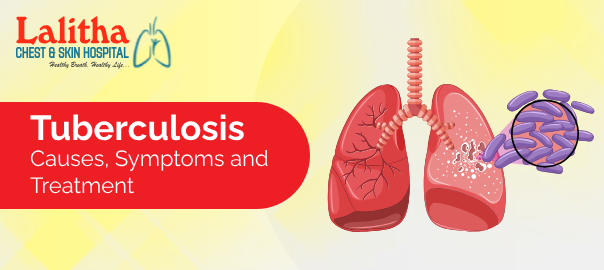
Tuberculosis (TB) is a bacterial infection primarily caused by a type of bacteria called Mycobacterium tuberculosis. This contagious disease spreads through the air when the infected person sneezes or coughs and releases tiny infection droplets into the environment.

The bacteria that reach through the droplets directly affect the lungs. Sometimes, the bacteria get buried in the deeper parts of the lungs and are controlled without adverse effects. But, in most cases, when the immune system does not prevent the bacteria, they break out and begin to cause problems in the lungs and eventually to the body’s other parts.

Symptoms of Tuberculosis and How to Identify Tuberculosis:

Persistent Cough: The bacteria causes lung infections, primarily leading to a persistent cough, which may produce phlegm and, in severe cases, blood.

Chest Pain: As the lung infection worsens, the bacteria can cause chest pain, which intensifies when one coughs or takes a deep breath.

Miscellaneous Symptoms: The TB bacteria can cause various problems, manifesting as weight loss, fever, loss of appetite, fatigue and weakness, night chills, and even sweats.

“In some cases, the TB bacteria can spread beyond the lungs, affecting different body parts. Lung nodes, kidneys, bladder, bones and joints, and organs in the abdomen are the most commonly affected areas in TB,” says Pulmonologist and TB doctor in Karimnagar, Dr. Raj Kumar Korra.

Treatment for Tuberculosis in Karimnagar:

The primary treatment for TB involves a combination of antibiotics over several months until the bacteria subsides from the system. Tuberculosis has two types: drug-sensitive, which is responsive to drugs, and drug-resistant, which is not. For drug-sensitive TB, a standard regimen includes four antibiotic medications for about two months, followed by two of these four medications for the following months. As for drug-resistant TB, the choice of medications differs, and comprehensive treatment and monitoring become essential for a more extended period.

“Throughout the treatment, careful monitoring and reporting of any side effects become mandatory, along with precautionary steps to prevent the spread of the disease,” says Dr. Raj Kumar, a Tuberculosis doctor in Karimnagar.

Causes of Tuberculosis: Why Rural Areas are More Susceptible to Tuberculosis?

Tuberculosis (TB) is caused by a bacteria called Mycobacterium tuberculosis. While the infection can happen anywhere, TB is prevalent and spreads rapidly in rural areas.

“Poor sanitation, ventilation and unhygienic living conditions increase susceptibility to this infection. These external factors, combined with a lack of proper awareness and healthcare facilities, further make TB a severe problem in rural areas of Karimnagar. Not everyone can search on Google for a ‘Tuberculosis specialist near me’ or the ‘best TB doctor near me’ to reach out to a specialist,” says a Pulmonologist and TB specialist at Lalitha Chest and Skin Hospital.

While Tuberculosis can be a severe medical condition, early identification, diagnosis, and treatment can help alleviate the symptoms and make it easy for the patient to win over this bacterial infection and curb its spread. If you are in Karimnagar and are looking for the best Tuberculosis specialist, you can consult the TB specialist in Karimnagar, Dr. Raj Kumar Korra here.


Asthma Explained: Types, Symptoms, Causes & Management Tips

Everything You Need to Know About Asthma: Types, Symptoms & Causes

Asthma is one of India’s most common chronic respiratory diseases, affecting more than 25 million patients, both adults and children. In India, Asthma is a serious health problem that can significantly impact health, even resulting in the death of children and young adults.

Our country has the highest number of asthma cases, and its prevalence has rapidly increased among our children in recent years. Unfortunately, most asthma  cases in Karimnagar are either undertreated or underdiagnosed due to a lack of awareness among the general public.

At Lalitha Chest and Skin Clinic in Karimnagar, we continue to see a growing number of asthma cases, where most patients do not reach out to us until their symptoms show up due to a lack of awareness about this condition.

So, with inputs from the best asthma doctor in Karimnagar, Dr. Rajkumar Korra, we aim to give you the most relevant information about Asthma, its types, causes, & symptoms, to provide complete awareness about this condition. Read on to know more:

What is an Asthma?

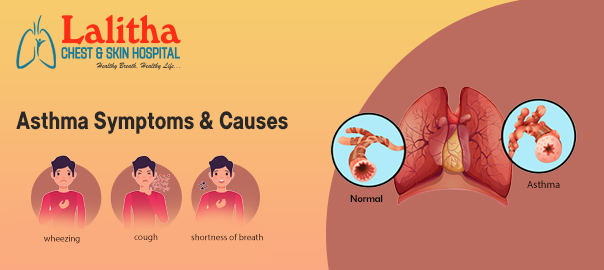
Asthma is a respiratory illness that is characterized by inflammation and narrowing of the airways, leading to breathing difficulties, coughing & wheezing.

Airways are the tiny tubes in the lungs through which we breathe in and out. Think of them as little straws through which air passes in and out. Asthma is a chronic lung condition that swells up these airways and narrows them, making breathing challenging.

So, with Asthma, a person will have trouble breathing like an average person does, and it feels like someone is pinching their airways. When the person does not get enough air, they might start coughing and making a wheezing sound to try to draw in more air unsuccessfully.

“When an asthma attack happens, your airways become inflamed and narrowed. This makes it harder for air to flow in and out of your lungs. Asthma can be either a temporary condition that suddenly springs up as an asthma attack in certain conditions, or it could be a chronic condition with continuous ongoing symptoms”, says Dr. Rajkumar Korra, the top pulmonologist and the best asthma doctor in Karimnagar.

Types of Asthma:

As Pulmonologist Dr. Raj Kumar Korra explained, there is no single type of Asthma. This respiratory disease can be divided into categories based on the symptoms’ cause, severity, and frequency.

    • Based on the frequency of the symptoms:
      Intermittent Asthma: The symptoms of Asthma come and go intermittently. The patient may feel normal and healthy between these asthma flare-ups, but when the attack strikes, it comes with its symptoms.
      Persistent Asthma: Persistent Asthma is when the patient suffers ongoing or continuous symptoms, which can be mild, moderate, or severe.
    • Based on the causes of Asthma:
      Allergic: Allergens like pollen, mold, and pet dander are triggers that may cause asthma attacks in specific individuals. In most cases, this could be seasonal.
      Non-Allergic: Asthma can also be due to environmental conditions without the involvement of allergens. Exercise, stress, weather, and even illnesses can trigger Asthma in a few patients.
    • Based on the age of the patient:
      Early Onset or Paediatric Asthma: Asthma can be a paediatric condition where children under five may suffer asthma flare-ups. In some cases, children may outgrow Asthma, but in others, they will need continuous treatment to mitigate the symptoms.
      Adult Onset Asthma: Asthma need not be only a paediatric condition. After age 18, adults may also develop Asthma due to newly discovered allergies, exercise, stress, or illnesses.

Who can get Asthma?

“Asthma can occur in childhood and even in adulthood. It can happen due to respiratory conditions or external factors like stress, exercise, or allergens. In short, Asthma can happen to anyone at any time,” says the best asthma doctor in Karimnagar, Dr. Rajkumar Korra.

Asthma Causes: Why Does Asthma Happen?

The chronic or temporary predisposition of Asthma leads to flare-up of symptoms and eventual Asthma attack where the airways narrow and make breathing difficult. The narrowing of airways in Asthma can happen for three reasons:

  • The muscles around the airways get tighter and swollen to constrict the airways, narrowing them and making it more challenging for them to carry air.
  • The airways get inflamed and swollen, which further narrows the airways.
  • At the same time, asthma attacks trigger the production of large volumes of mucus, which may further clog the airways, making breathing difficult.

All three conditions happen in Asthma to varying degrees, making breathing difficult. Environmental conditions, genetic predisposition, respiratory conditions, illnesses, or even allergi
es may also trigger Asthma, leading to all the above factors that eventually make breathing difficult.

Symptoms of Asthma: How Does Asthma Feel Like?

The symptoms of Asthma vary from person to person, depending on the severity and type of condition they suffer from. As Asthma Doctor Dr. Rajkumar Korra mentioned, Asthma can be a condition with intermittent symptoms, symptoms in certain situations, or a chronic condition with continuous signs. Some of the most common symptoms experienced by patients include:

  • Shortness of breath
  • Coughing in the morning and at night
  • Pressure on the chest, tightness, or chest pain
  • Wheezing sounds when breathing out (common in children)

Asthma is considered severe when the above symptoms become more frequent to the point that they become bothersome. Severe Asthma can quickly worsen and make it extremely tough to get oxygen into the body, potentially leading to death.

It is always advisable to consult a qualified pulmonologist or asthma doctor as soon as possible to avoid worsening these symptoms. If you are unsure whom to consult, search for best asthma doctor near me or best allergy and asthma specialist near me on Google to reach out to a specialist as soon as possible.

If you live in and around Karimnagar, you can directly reach out to Lalitha Chest and Skin Clinic to find the best asthma doctor in Karimnagar, Dr. Rajkumar Korra here: https://lalithachestandskinhospital.com/