

Tag Archives: best dermatology clinic near me

Fungal Skin Infections: Causes, Symptoms & Treatment Options

Fungal Skin Infections: Causes, Symptoms, and Effective Treatment Options

Fungal skin infections are among the most common dermatological problems affecting people worldwide. While they are usually not life-threatening, they can cause discomfort, irritation, and even embarrassment if left untreated. Understanding the causes, recognizing the symptoms, and knowing the available treatment options can help in managing and preventing these infections effectively.

Under the guidance of Dr. B. Jyothi from Lalitha Chest and Skin Hospital, this blog aims to provide a comprehensive overview of fungal skin infections, emphasizing their causes, symptoms, and available treatment options.

What Are Fungal Skin Infections?

“Fungal infections of the skin occur when harmful fungi invade the outer layers of the skin, nails, or hair. These fungi thrive in warm, moist environments, making areas like the feet, groin, armpits, and scalp more vulnerable,” says Dr. B. Jyothi, a fungal skin infections specialist in Karimnagar.

The most common types include:

  • Athlete’s Foot– Primarily affects the skin on the feet, particularly between the toes.
  • Ringworm (Tinea Corporis)– Appears as circular, red patches on the body.
  • Jock Itch (Tinea Cruris)– Occurs in the groin area, causing itching and redness.
  • Nail Fungus (Onychomycosis)– Causes thick, brittle, and discolored nails.
  • Yeast Infections (Candida)– Often seen in skin folds or mucous membranes.

Causes of Fungal Skin Infections:

Several factors can trigger or increase the risk of developing a fungal skin infection:

  1. Moist environments: Excessive sweating, damp clothing, or prolonged exposure to humid conditions.
  2. Poor hygiene: Sharing personal items like towels, razors, or footwear.
  3. Weakened immune system: Conditions like diabetes or long-term use of antibiotics and steroids.
  4. Injury to the skin: Cuts or abrasions provide an entry point for fungi.
  5. Close contact: Direct skin-to-skin contact with an infected person or animal.

Symptoms of Fungal Skin Infections:

Symptoms can vary depending on the type of fungal infection, but often include:

  • Itching, burning, or stinging sensation.
  • Red, scaly, or cracked patches of skin.
  • Circular rashes with raised edges (typical of ringworm).
  • Blisters or peeling skin (common in athlete’s foot).
  • Thickened, discolored, or brittle nails.

If left untreated, fungal infections may spread to other parts of the body or become recurrent.

Effective Treatment Options:

Fortunately, most fungal skin infections can be successfully treated with proper care. Treatment methods include:

  1. Over-the-Counter Medications:
  • Antifungal creams, sprays, or powders (clotrimazole, miconazole, terbinafine) are effective for mild cases.
  • Regular use for the prescribed duration is essential, even if symptoms improve early.
  1. Prescription Treatments:
  • For severe or persistent infections, dermatologists may prescribe oral antifungal medications (fluconazole, itraconazole, terbinafine).
  • Medicated shampoos or stronger topical creams may be recommended for scalp infections.
  1. Home Remedies and Self-Care:
  • Keep affected areas clean and dry.
  • Wear breathable clothing and avoid tight shoes or synthetic fabrics.
  • Use antifungal powders to prevent recurrence.
  • Avoid sharing personal items.

Preventing Fungal Skin Infections

Prevention is always better than treatment. Simple lifestyle habits can greatly reduce the risk:

  • Maintain good personal hygiene.
  • Change socks and underwear daily.
  • Dry your skin thoroughly after bathing, especially in skin folds and between your toes.
  • Disinfect shared surfaces like gym equipment or shower floors.
  • Boost immunity with a balanced diet and regular exercise.
When to See a Doctor:

While mild infections can often be treated at home, you should consult a dermatologist if:

  • The infection spreads quickly or covers a large area.
  • Over-the-counter treatments fail to work.
  • You have a weakened immune system or diabetes.
  • Pain, swelling, or pus develops around the infected area.

Fungal skin infections are common but manageable with timely treatment and preventive care. By understanding their causes, recognizing early symptoms, and following effective treatment strategies, you can restore healthy skin and prevent future recurrences. If in doubt, seeking professional medical advice is the safest way to ensure proper care.

If you’re in Karimnagar and searching on Google for “skin fungal infection treatment near me,” “fungal skin infections hospital near me,” or “best dermatology clinic near me,” look no further than Lalitha Chest and Skin Hospital. Under the expert care of Dr. B. Jyothi, a renowned female dermatologist specializing in fungal skin infections, you’ll receive personalized and effective treatment. For more details or to book an appointment, visit our hospital today https://lalithachestandskinhospital.com/.
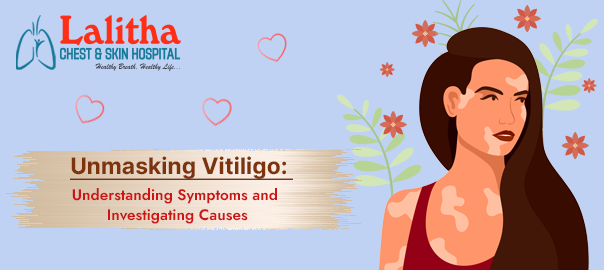
Unmasking Vitiligo: Symptoms, Causes & Treatment Options

Unmasking Vitiligo: Understanding Its Symptoms, Causes & Treatment Options

Vitiligo is a long-term skin condition that causes skin patches to lose color or pigments. This loss of skin color results in white or light-coloured irregular patches in the affected areas, contrasting starkly with the surrounding areas. These irregular white patches can draw unwanted attention, leading to self-consciousness, social anxiety, and embarrassment.

“Vitiligo is a skin condition that has been studied for decades now. But this disease captured the global spotlight when pop icon Michael Jackson was diagnosed with Vitiligo. This global recognition, while it improved awareness, also brought a fair share of misconceptions, negative perceptions, and unwanted stigma about the vitiligo disease,” says skin specialist in Karimnagar Dr. B. Jyothi.

The lack of awareness affects how people treat those with Vitiligo, leading to neglect of medical help. These misconceptions can make people ignore the need for treatment and support, making it harder for those with Vitiligo to get the care they need.

So in this blog, with inputs from the best skin doctor in Karimnagar, Dr B Jyothi, we help you improve your awareness about Vitiligo by delving into the causes, symptoms, and other frequently asked questions about Vitiligo. Read on:

What causes Vitiligo?

The exact cause of Vitiligo is still yet to be found. Vitiligo researchers state that it is a combination of the following factors:

Genetics: A family history of Vitiligo can increase the risk of developing the condition.

Environmental Factors: Stress, sunburn, and certain chemical compounds can trigger Vitiligo in individuals vulnerable to the condition.

Autoimmune Conditions: In rare cases, the body may attack the melanocytes, mistaking them for foreign pathogens, resulting in the destruction of the pigment-producing cells and leading to Vitiligo.

Is Vitiligo contagious in nature?

“Vitiligo is not contagious. It does not spread from person to person through any form of physical contact,” says skin specialist Dr. B. Jyothi in Karimnagar.

What are the symptoms of Vitiligo?

Irregular white patches on the skin varying in size are the primary symptoms of Vitiligo. These patches can appear anywhere on the body but are more common in areas exposed to sunlight, such as the face, hands, feet, and other openings like the eyes and mouth.

Premature greying of hair can also occur in individuals with Vitiligo. Sometimes, the tissues inside the mouth or nose may be discoloured. If any of these symptoms appear, it is strongly advised that you consult the best dermatology clinic in Karimnagar as soon as possible for swift intervention.

Does Vitiligo spread on the body? What can one do to minimize the spread?

Vitiligo usually results from the destruction of pigment-producing cells, leading to enlarged patches on the skin. While Vitiligo does not spread at the pace of infection, it gradually spreads over time. Once it begins to spread, minimizing or stopping its progression can be challenging.

“Adopting strong sun protection, reducing stress, maintaining a balanced diet, using topical treatments, and undergoing phototherapy are some practices that can help minimize or stop the spread of vitiligo,” according to skin specialist Dr. B. Jyothi in Karimnagar.

Is there a cure for Vitiligo? How is Vitiligo treated?

While there is no permanent cure for Vitiligo, there are specific treatment options that can improve the appearance of the skin and help manage the condition:

  1. Phototherapy: Controlled doses of UV light stimulate melanin production, reducing the appearance of depigmented skin. Regular sessions of phototherapy have shown satisfactory outcomes in patients with widespread Vitiligo.
  2. Medications: Certain medications can target the triggers of Vitiligo, slowing down its progression. Corticosteroids help reduce inflammation and immune suppressants are commonly used in vitiligo treatment.
  3. Surgery:In rare cases, surgical procedures such as skin grafting or pigment cell transplantation may be recommended to treat Vitiligo.
  4. Depigmentation Therapy:Depigmentation therapy involves lightening the remaining pigmented skin to achieve an even skin tone. This approach is irreversible and requires careful consideration by a dermatologist specializing in Vitiligo.

It’s important to note that the treatment for Vitiligo always depends on the specific case of the disease, its severity, and the patient’s expectations. For more information about Vitiligo and its treatment options, consulting a dermatologist specializing in Vitiligo is recommended.

If you are in Karimnagar and still searching for the “best dermatologist near me” on Google for assistance, you can directly head to Lalitha Chest and Skin Hospital for consultations. Dr. B. Jyothi, an expert dermatologist with expertise and a track record in treating vitiligo cases, can provide the proper assistance and treatment for this long-term skin condition. You can contact her for further information: https://lalithachestandskinhospital.com/