
Tag Archives: best dermatologist near me

MNRF Treatment: Benefits, Procedure & Results Guide

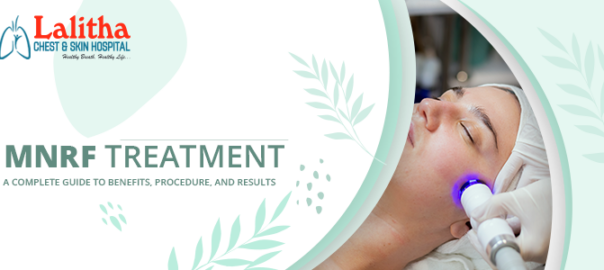
MNRF Treatment: A Complete Guide to Benefits, Procedure, and Results

Microneedling Radiofrequency (MNRF) has become one of the most trusted dermatological treatments for improving skin texture, reducing scars, tightening loose skin, and enhancing overall skin quality. It combines the power of microneedling with controlled radiofrequency energy, offering deeper and more effective skin rejuvenation than traditional methods. If you’re considering MNRF therapy, this complete guide will help you understand what it is, how it works, and what results you can expect.

“MNRF Treatment provides a safe and effective approach to improving skin texture, reducing scars, and enhancing overall skin quality,” says Dr. B. Jyothi, the best dermatologist in Karimnagar, emphasizing the importance of personalized evaluation and regular sessions to achieve the best possible results.

In this blog, we’ll take a closer look at what MNRF is, how the treatment works, its key benefits, the procedure involved, and the most effective options available today.

What is MNRF Treatment?

MNRF (Microneedling Radiofrequency) is a modern skin rejuvenation technique that combines the use of fine, sterile needles with controlled radiofrequency energy. As the needles gently create tiny channels in the skin, the RF energy is delivered into deeper layers, encouraging natural repair and renewal.

This process enhances collagen and elastin production, making the treatment effective for improving acne scars, reducing wrinkles, minimizing stretch marks, tightening loose skin, and refining overall skin texture. It is safe and suitable for all skin types.

How Does MNRF Work?

The treatment is performed using a specialized device equipped with fine needles. When the device glides over the skin:

  1. Microneedles penetrate the upper layer of the skin, creating controlled micro-injuries.
  2. Radiofrequency energy is delivered through the needles into deeper layers.
  3. Collagen remodeling begins, helping the skin repair, tighten, and regenerate over the next few weeks.

This combination ensures deeper penetration and more dramatic results compared to standard microneedling.

Benefits of MNRF Treatment

MNRF is popular for its wide range of benefits:

  • Reduces Acne Scars: Helps break down old scar tissue and stimulates new collagen formation, making scars less visible.
  • Improves Skin Texture: Minimizes pores, roughness, and uneven skin tone.
  • Tightens Loose Skin: Radiofrequency energy enhances skin firmness by boosting elastin and collagen.
  • Reduces Fine Lines & Wrinkles: Smoothens aging signs and promotes youthful-looking skin.
  • Minimizes Stretch Marks: Helps repair deeper skin layers responsible for stretch marks.
  • Safe for All Skin Types: Since RF energy is color-neutral, it suits Indian and darker skin tones perfectly.

Who is an Ideal Candidate?

You may benefit from MNRF if you have:

  • Acne scars
  • Enlarged pores
  • Sagging skin
  • Fine lines or mild wrinkles
  • Stretch marks
  • Uneven or rough skin texture

A dermatologist can determine the right treatment plan based on your skin type and goals.

The MNRF Procedure: Step-by-Step

Here’s what typically happens during an MNRF session:

  1. Skin Cleansing: The skin is thoroughly cleaned to remove makeup, oil, or impurities.
  2. Application of Numbing Cream: A topical anesthetic is applied to ensure minimal discomfort.
  3. MNRF Device Application: The dermatologist uses the MNRF device to target specific areas. You may feel mild heat or pressure.
  4. Post-Treatment Care: A soothing serum or cooling gel is applied to calm the skin.

The entire procedure usually takes 30–60 minutes, depending on the area treated.

Aftercare Tips:

To ensure safe healing and best results:

  • Avoid sun exposure for 2–3 days
  • Apply sunscreen regularly
  • Do not use makeup for at least 24 hours
  • Avoid exfoliants or active skincare for a week
  • Use gentle moisturizers as recommended

When Will You See Results?

You may notice early improvements within 7–10 days, but the full results appear gradually as collagen builds up. Most people require 3–4 sessions, spaced 4–6 weeks apart, for optimal outcomes.

Are There Any Side Effects?

MNRF is considered safe, with minimal downtime. Some temporary effects may include:

  • Mild redness
  • Slight swelling
  • Tenderness

These usually subside within a day or two.

MNRF treatment is a powerful option for anyone looking to improve scars, tighten skin, and achieve a smoother, more youthful complexion. With minimal downtime and long-lasting benefits, it has become one of the most advanced skin rejuvenation techniques available today.

Always consult an experienced dermatologist to determine your ideal treatment plan and ensure safe, customized care.

For personalized guidance and effective treatment options, consulting a qualified dermatologist is essential. If you’ve been searching for “best skin treatments for aging skin,” “MNRF treatment for stretch marks,” or “best treatment for facial wrinkles,” look no further. Dr. B. Jyothi, Karimnagar’s trusted specialist for MNRF treatments, offers advanced solutions tailored to your skin needs. For appointments or inquiries, please contact us at Lalitha Chest & Skin Hospital.
Get Rid of Toenail Fungus: Revealing Causes and, Treatments

Battling Nail Fungal Infections: A Deep Dive into Causes, Symptoms, and Treatment Methods

Nail fungal infections, also known as onychomycosis, are common infections affecting the fingernails or toenails. These infections are caused by various types of fungi, including dermatophytes, yeasts, and non-dermatophyte molds.

“Nail fungal infections are both common and treatable. Early detection and proper treatment prevent the infection from spreading and causing further nail damage. Good nail hygiene and preventive steps are crucial in reducing the risk of infection”, explains Karimnagar’s best skin doctor & toe fungus removal specialist Dr. B. Jyothi.

Yet any infection to nails can be cause of concern for the people unaware of this condition. So with the inputs from a dermatologist in Karimnagar Dr. B. Jyothi, we today examine the causes and symptoms of nail fungal infections and provide available treatment options.

Types of Nail Fungal Infections:

Nail fungal infections, or onychomycosis, can be categorized into several types based on various factors such as the specific type of fungus causing the infection and the area of the nail affected.

While there are numerous subtypes and variations, the main types of nail fungal infections include:

  1. Distal subungual onychomycosis (DSO): The most common type of nail fungal infection, affecting the nail’s distal edge and causing discoloration, thickening, and brittleness.
  2. Proximal subungual onychomycosis (PSO): Less common than DSO, starting at the cuticle and progressing toward the nail tip, resulting in nail plate separation and white or yellow spots near the cuticle.
  3. Superficial white onychomycosis (SWO): Occurring on the nail surface, characterized by white, chalky patches that may be easily scraped off.
  4. Candidal onychomycosis: Caused by Candida yeast species, this infection can affect any part of the nail, leading to thickened, discolored, and crumbly nails often accompanied by paronychia.

What causes nail fungal infections?

Nail fungal infections, or onychomycosis, are primarily caused by various fungi, including dermatophytes, yeasts, and molds. These fungi thrive in warm, moist environments and can infect nails through:

  1. Exposure to fungi: Contact with surfaces contaminated with fungi, such as floors in public areas like locker rooms, swimming pools, and showers.
  2. Nail trauma: Any injury to the nail or surrounding skin can create openings for fungi to enter and infect the nail bed.
  3. Poor foot hygiene: Neglecting to keep feet clean and dry, wearing wet socks or shoes, and restricting airflow to the feet can promote fungal growth.
  4. Weakened immune system: Conditions such as diabetes, HIV/AIDS, or immunosuppressive medications can weaken the body’s defenses, making it easier for fungal infections to occur.
  5. Age: Older adults are more prone to fungal infections due to reduced blood circulation and slower nail growth.
  6. Tight footwear: Wearing shoes that are too tight can lead to increased moisture and pressure on the nails, creating an environment suitable for fungal growth.

Understanding these causes can help individuals take preventive measures to reduce the risk of developing nail fungal infections.

What are the symptoms of nail fungal infections?

The symptoms of nail fungal infections (onychomycosis) can vary depending on the type and severity of the infection, but common signs include:

  1. Discoloration: Nails may turn white, yellow, brown, or greenish.
  2. Thickening: The nails may become significantly thicker than usual.
  3. Brittleness: Nails may become brittle, crumbly, or ragged.
  4. Distortion: The shape of the nail may change, becoming irregular or distorted.
  5. Debris Accumulation: There may be debris buildup under the nail.
  6. Loosening: Nails may be lifted off or separated from the nail bed.
  7. Odor: Afoul odor may be present, especially in advanced cases.
  8. Pain: In some cases, the infection can cause discomfort or pain, particularly if the nail becomes ingrown or if there is inflammation around the nail.

Symptoms can worsen over time if left untreated. It’s essential to consult a healthcare professional for proper diagnosis and treatment if you suspect a nail fungal infection.

Treatment for nail fungal infections:

Treatment for nail fungal infections (onychomycosis) depends on the severity and type of infection. Common treatment options include:

  1. Topical antifungal medications: Antifungal creams, lotions, or nail lacquers, available either over-the-counter or by prescription, can be used directly on infected nails and are typically more effective for mild to moderate cases.
  2. Oral antifungal medications: Prescription oral antifungal medications, such as terbinafine or Itraconazole, are often more effective for severe or persistent infections. These medications work systemically to kill the fungus from within.
  3. Nail removal: In instances of severe infection or failure of other treatments, removing the infected nail surgically might require to use of topical antifungal medications effectively and to stop the infection from spreading to other nails.
  4. Laser therapy: Some clinics offer laser treatment for nail fungal infections. Laser therapy aims to destroy the fungi without causing damage to the surrounding tissue. However, the effectiveness of this treatment is still debated, and more research is needed to determine its long-term efficacy.

Consult a healthcare professional for accurate diagnosis and treatment, as untreated infections can worsen. Patience and adherence are crucial for complete eradication and prevention of recurrence.

For detailed information on nail fungal infections and potential treatment approaches, it is recommended to schedule to consult a dermatologist specialized in treating nail fungal infections.

If you are already suffering from nail infections and are looking on Google with keywords like “lady skin specialist in Karimnagar,” “best dermatologist near me,” or “best nail fungus doctors in Karimnagar,” we got you covered.

Dr. B. Jyothi is Karimnagar’s top dermatologist and specializing in advanced treatments for nail fungal infections at Lalitha Chest and Skin Hospital. For inquiries, feel free to contact us at https://lalithachestandskinhospital.com/