Respiratory allergies are becoming increasingly common due to pollution, seasonal changes, and environmental triggers. Symptoms like sneezing, coughing, nasal congestion, and breathing discomfort can affect daily life and reduce overall well-being. Identifying the exact cause of an allergy is essential for effective treatment — and this is where respiratory allergy skin testing plays an important role.
Based on insights from Dr. Raj Kumar Korra of Lalitha Chest and Skin Hospital, this blog explains when testing may be needed, the symptoms to watch for, how the procedure works, and what your results actually mean.
What Is Allergy Skin Testing?
Respiratory allergy skin testing is a simple diagnostic procedure used to identify substances that trigger allergic reactions affecting the lungs and airways. These allergens may include dust mites, pollen, mold, pet dander, or certain environmental particles.
During the test, small amounts of suspected allergens are introduced to the skin to observe how the immune system reacts. The goal is to pinpoint the exact triggers so doctors can recommend personalized treatment and prevention strategies.
Respiratory allergy skin testing is an essential diagnostic tool that helps determine allergy triggers behind asthma, allergic rhinitis, and other respiratory conditions,” says Dr. Raj Kumar Korra, MD, a leading asthma specialist.
Common Symptoms That May Require Allergy Testing
Many people overlook early signs of respiratory allergies, assuming they are just seasonal colds. However, persistent symptoms may indicate an allergic condition rather than an infection.
Key warning signs include:
- Frequent sneezing or a runny nose
- Nasal blockage or sinus pressure
- Chronic cough or throat irritation
- Wheezing or shortness of breath
- Itchy eyes, nose, or throat
- Symptoms that worsen in dust, pollen seasons, or certain environments
If these issues persist for weeks or recur, your doctor may recommend a respiratory allergy skin test to identify the underlying cause.
Types of Respiratory Allergens Usually Tested
Skin testing often includes a panel of common airborne triggers. These may vary based on your location and lifestyle.
Common allergens include:
- House dust mites
- Pollen from trees, weeds, or grasses
- Mold spores
- Animal dander
- Indoor pollutants or environmental particles
Identifying specific allergens helps reduce unnecessary medications and allows targeted treatment.
How the Skin Testing Procedure Works
One of the biggest advantages of respiratory allergy skin testing is that it is quick, minimally invasive, and usually completed within a short clinic visit.
Step-by-step process:
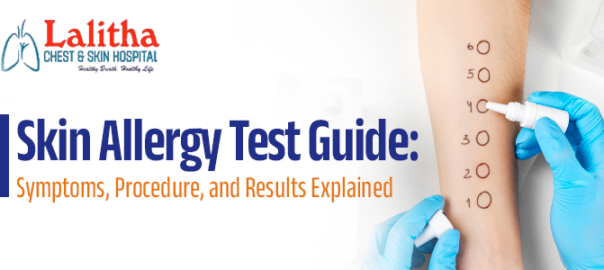
- Preparation: The skin, usually on the forearm or back, is cleaned.
- Application: Tiny drops of allergen extracts are placed on the skin.
- Skin Prick: A small sterile device lightly pricks the surface so the allergen enters the skin layer.
- Observation: After about 15–20 minutes, the doctor checks for reactions such as redness or swelling.
The procedure is generally well tolerated and does not require injections or complex preparation.
Is the Test Painful or Risky?
Most patients feel only a mild tingling or itching sensation during the test. Serious reactions are rare because the allergens are used in controlled amounts and testing is performed under medical supervision.
However, patients should always inform their doctor about:
- Current medications
- Severe asthma history
- Previous allergic reactions
Following medical advice before the test ensures accurate and safe results.
Understanding Your Test Results
After the observation period, the doctor measures any skin reactions. A raised bump or redness may indicate sensitivity to a particular allergen.
What the results mean:
- Positive Reaction: Suggests sensitivity to that allergen.
- Negative Reaction: No significant response detected.
- Clinical Correlation: Results are always interpreted along with symptoms and medical history.
A positive result does not always mean a severe allergy; it simply shows that your immune system recognizes that substance.
Benefits of Allergy Skin Testing
Accurate diagnosis helps both patients and healthcare providers make better treatment decisions.
Advantages include:
- Quick and reliable results
- Identification of specific triggers
- Personalized allergy management plans
- Reduced trial-and-error medication use
- Improved long-term respiratory health
With the right diagnosis, patients can focus on prevention, lifestyle adjustments, and targeted therapy.
Preparing for the Test: Important Tips
To ensure accurate results, your doctor may advise you to stop certain antihistamine medications a few days before testing. Wearing comfortable clothing and informing the clinic about existing health conditions can also help make the process smoother.
When Should You See a Specialist?
If you experience frequent breathing issues, seasonal allergies, or persistent nasal symptoms, consulting an allergy or respiratory specialist is recommended. Early testing can prevent complications and improve quality of life.
If you’re in Karimnagar and searching online for “breathing allergy treatment,” “allergy asthma clinic near me,” or “asthma allergy specialist near me,” Lalitha Chest and Skin Hospital is a trusted destination. Under the expert care of Dr. Raj Kumar Korra, an experienced pulmonologist known for managing respiratory allergies, patients receive reliable, personalized treatment. To book an appointment, please visit our website: https://lalithachestandskinhospital.com/