
Tag Archives: allergy and asthma specialist near me

A Practical Guide to Allergic Bronchitis: Causes, Symptoms & More

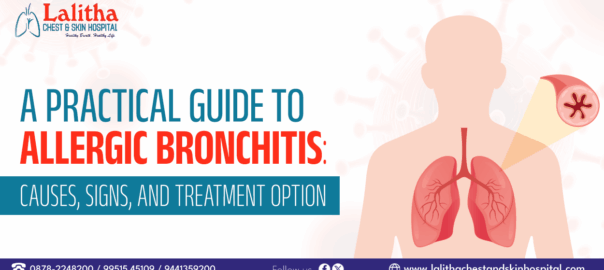
A Practical Guide to Allergic Bronchitis: Causes, Signs, and Treatment Options

Allergic bronchitis is a condition that affects the airways, making it difficult to breathe due to inflammation triggered by allergens. Unlike infectious bronchitis, which is caused by viruses or bacteria, allergic bronchitis is a response to substances like dust, pollen, pet dander, or mold.

With expert insights from Dr. Raj Kumar Korra at Lalitha Chest and Skin Hospital, this blog offers a comprehensive guide to understanding the condition, recognizing its symptoms, and managing it effectively.

What is Allergic Bronchitis?

Allergic bronchitis is a type of chronic bronchial inflammation that occurs when the immune system overreacts to allergens in the environment. This overreaction causes the bronchial tubes (which carry air to and from the lungs) to become swollen and produce excess mucus, leading to coughing, wheezing, and discomfort, ” explains Dr. Raj Kumar Korra, a leading allergy and asthma specialist at Lalitha Chest and Skin Hospital.

It is often associated with other allergic conditions, such as asthma or allergic rhinitis, and tends to affect people with a history of allergies or respiratory issues.

Common Causes of Allergic Bronchitis:

The main triggers of allergic bronchitis include:

  • Pollen (especially during seasonal changes)
  • Dust mites are found in bedding and furniture
  • Pet dander from cats, dogs, or other animals
  • Mold spores in damp or humid environments
  • Air pollution and smoke
  • Strong chemical fumes or perfumes

Repeated exposure to these allergens can lead to chronic inflammation and persistent symptoms if not properly managed.

Recognizable Signs and Symptoms:

Symptoms of allergic bronchitis can vary in intensity but often include:

  • Persistent coughing, especially at night or in the morning
  • Wheezing or a whistling sound when breathing
  • Shortness of breath or difficulty breathing deeply
  • Chest tightness or discomfort
  • Increased mucus production, often clear or white
  • Occasional fatigue due to disrupted sleep or breathing effort

It’s important to note that these symptoms may mimic those of other respiratory conditions like asthma or chronic bronchitis, so a proper diagnosis is essential.

When to See a Doctor?

If you suspect you may have allergic bronchitis, especially if symptoms are ongoing or worsen during specific seasons or environments, consult a healthcare provider. They may recommend:

  1. A physical examination
  2. Allergy tests (skin or blood tests)
  3. Chest X-rays to rule out other conditions
  4. Pulmonary function tests to check lung performance

Identifying specific allergens is key to preventing future episodes.

Treatment Options and Management:

While allergic bronchitis can’t be cured, it can be effectively managed through a combination of medications and lifestyle changes.

  1. Medications
  • Antihistamines – to reduce allergic response
  • Inhalers or bronchodilators – to open up airways and ease breathing
  • Corticosteroids – to control inflammation
  • Mucolytics – to help loosen and clear mucus
  1. Avoiding Triggers
  • Use HEPA filters in your home
  • Keep living areas clean and dust-free
  • Avoid smoking or exposure to secondhand smoke
  • Limit outdoor exposure during high-pollen seasons
  • Address mold or dampness in the home
  1. Lifestyle Modifications
  • Practice deep breathing exercises or yoga
  • Maintain a healthy immune system through a balanced diet and sleep
  • Monitor air quality and use masks if needed outdoors

Allergic bronchitis can significantly impact daily life, but with proper understanding and care, it can be managed effectively. Identifying and avoiding triggers, combined with medical treatment, can help you breathe easier and live more comfortably. If you’re experiencing persistent respiratory symptoms, don’t hesitate to reach out to a healthcare professional for proper evaluation and support.

If you’re in Karimnagar and searching online for treatment on Google with terms like ” allergy and asthma specialist near me,” ” best allergy specialist near me,” or ” asthma dr near me,” let us save you the time.

If you’re suffering from allergic bronchitis, seek expert treatment at Lalitha Chest and Skin Hospital in Karimnagar, where Dr. Raj Kumar Korra, a highly respected chest pain specialist, provides personalized care and attention, and book your appointment today at: https://lalithachestandskinhospital.com/
4 Essential Tips to Prevent Winter Asthma & Allergy Attacks

4 Tips to Avoid Attack of Asthma and Allergy during this Winter

In addition to the chilly cold weather, winters also bring the risk of allergies and asthma, especially in Karimnagar. We often encounter and treat a lot of cases of asthma and allergies during the winter at our chest and skin clinic in Karimnagar.

“Most asthmatics are sensitive to cold air, which can worsen their symptoms. The dust mites, mold, and pet dander also become more concentrated during the winter in closed environments, increasing the allergy flare-ups,” says the asthma specialist in Karimnagar, Dr. Raj Kumar Korra.

So, how should patients suffering from allergies or asthma protect themselves from the increased risk in the winter? Pulmonologist Dr. Raj Kumar Korra at Lalitha Chest and Skin Hospital in Karimnagar is here to answer.

With his insights, we delve into the reasons for the increased risk and then provide four tips to help reduce allergy and asthma risks during winter. Read on:

Why do asthma and allergy cases rise in winter?

The airways in the lungs are protected by a layer of mucus, which evaporates when we inhale the cold air in the winter. This lack of mucus irritates the airways and inflames the lungs, making it harder to breathe and triggering asthma symptoms in patients already at high risk. Chest pain, coughing, wheezing, and chest tightness are some common asthma symptoms that may further exacerbate in the winter, according to asthma specialist Dr. Raj Kumar Korra.

Winters are also the time when everyone spends more time indoors than outdoors. Consequently, allergens like dust mites, mold, and pet dander also tend to thrive in the warm indoors of the winter. So, unfortunately, colder months increase the risk of both allergies and asthma, which in some cases may even lead to hospitalization when not identified and treated promptly.

Then, how does one avoid the risks of allergy and asthma in the winter months?

Here are four tips to avoid attacks of asthma and allergies during the winter:

Limit Indoor Triggers: One must sufficiently limit indoor triggers like dust mites and mold to reduce the risk of allergens and asthma. Washing bedding once a week in hot water, using allergen covers for pillows and mattresses, dusting and vacuum cleaning, and avoiding pets in the bedroom are commonly recommended by asthma specialists to reduce the risk of indoor allergens.

Keep Yourself Warm: For individuals more prone to the risk of asthma and allergens, we advise you to dress warmly to keep yourself adequately warm during the winter season. Even indoors, staying warm by consuming hot drinks, preferably hot meals, and controlling the bedroom temperature as needed is essential.

Avoid Mouth Breathing: Breathing through the mouth exposes the lungs directly to the rush of cold air, which can dry out the airways. Focusing on breathing through the nose warms the air as it enters, preventing the drying out of the airways.

If one involuntarily finds oneself breathing through the mouth while sleeping, it is better to cover the mouth with a woollen cloth, which helps warm the air as it enters the mouth.

Stay proactive and healthy: Asthma and allergies are often associated with people who frequently fall sick, so individuals must take cautious measures to maintain good health during winter. Those who are more prone to allergies and asthma should avoid close contact with ill individuals and follow a healthy lifestyle, especially in winter, to reduce the likelihood of developing allergies and asthma.

“We advise our elderly patients to stay hydrated, wash their hands regularly, get a flu shot, eat healthily, and take plenty of rest in a secure environment,” says Dr. Raj Kumar Korra, a pulmonologist at Lalitha Chest and Skin Hospital in Karimnagar.

Dr Raj Kumar Korra – The Best Allergy & Asthma Specialist in Karimnagar:  

It is true that even after following the most actionable prevention tips, asthma, and allergy can strike anyone in the winter, especially elderly adults. So, it is always advised to know and consult with an allergy and asthma specialist before the winter season, particularly in cases where asthma attacks seem imminent.

Given that it can affect anyone, please consult a qualified asthma specialist in your location who can help you draw up an individualized allergy and asthma treatment and prevention plan. If you are in Karimnagar and are still looking for access through ‘allergy and asthma specialists near me’ queries on Google, let us save your time.

Pulmonologist Dr. Raj Kumar Korra is the best allergy and asthma specialist in Karimnagar who has helped treat a lot of patients, reducing their risk of allergy and asthma in winter. You can contact him here.

Asthma Explained: Types, Symptoms, Causes & Management Tips

Everything You Need to Know About Asthma: Types, Symptoms & Causes

Asthma is one of India’s most common chronic respiratory diseases, affecting more than 25 million patients, both adults and children. In India, Asthma is a serious health problem that can significantly impact health, even resulting in the death of children and young adults.

Our country has the highest number of asthma cases, and its prevalence has rapidly increased among our children in recent years. Unfortunately, most asthma  cases in Karimnagar are either undertreated or underdiagnosed due to a lack of awareness among the general public.

At Lalitha Chest and Skin Clinic in Karimnagar, we continue to see a growing number of asthma cases, where most patients do not reach out to us until their symptoms show up due to a lack of awareness about this condition.

So, with inputs from the best asthma doctor in Karimnagar, Dr. Rajkumar Korra, we aim to give you the most relevant information about Asthma, its types, causes, & symptoms, to provide complete awareness about this condition. Read on to know more:

What is an Asthma?

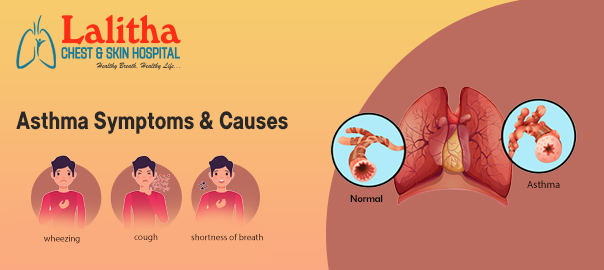
Asthma is a respiratory illness that is characterized by inflammation and narrowing of the airways, leading to breathing difficulties, coughing & wheezing.

Airways are the tiny tubes in the lungs through which we breathe in and out. Think of them as little straws through which air passes in and out. Asthma is a chronic lung condition that swells up these airways and narrows them, making breathing challenging.

So, with Asthma, a person will have trouble breathing like an average person does, and it feels like someone is pinching their airways. When the person does not get enough air, they might start coughing and making a wheezing sound to try to draw in more air unsuccessfully.

“When an asthma attack happens, your airways become inflamed and narrowed. This makes it harder for air to flow in and out of your lungs. Asthma can be either a temporary condition that suddenly springs up as an asthma attack in certain conditions, or it could be a chronic condition with continuous ongoing symptoms”, says Dr. Rajkumar Korra, the top pulmonologist and the best asthma doctor in Karimnagar.

Types of Asthma:

As Pulmonologist Dr. Raj Kumar Korra explained, there is no single type of Asthma. This respiratory disease can be divided into categories based on the symptoms’ cause, severity, and frequency.

    • Based on the frequency of the symptoms:
      Intermittent Asthma: The symptoms of Asthma come and go intermittently. The patient may feel normal and healthy between these asthma flare-ups, but when the attack strikes, it comes with its symptoms.
      Persistent Asthma: Persistent Asthma is when the patient suffers ongoing or continuous symptoms, which can be mild, moderate, or severe.
    • Based on the causes of Asthma:
      Allergic: Allergens like pollen, mold, and pet dander are triggers that may cause asthma attacks in specific individuals. In most cases, this could be seasonal.
      Non-Allergic: Asthma can also be due to environmental conditions without the involvement of allergens. Exercise, stress, weather, and even illnesses can trigger Asthma in a few patients.
    • Based on the age of the patient:
      Early Onset or Paediatric Asthma: Asthma can be a paediatric condition where children under five may suffer asthma flare-ups. In some cases, children may outgrow Asthma, but in others, they will need continuous treatment to mitigate the symptoms.
      Adult Onset Asthma: Asthma need not be only a paediatric condition. After age 18, adults may also develop Asthma due to newly discovered allergies, exercise, stress, or illnesses.

Who can get Asthma?

“Asthma can occur in childhood and even in adulthood. It can happen due to respiratory conditions or external factors like stress, exercise, or allergens. In short, Asthma can happen to anyone at any time,” says the best asthma doctor in Karimnagar, Dr. Rajkumar Korra.

Asthma Causes: Why Does Asthma Happen?

The chronic or temporary predisposition of Asthma leads to flare-up of symptoms and eventual Asthma attack where the airways narrow and make breathing difficult. The narrowing of airways in Asthma can happen for three reasons:

  • The muscles around the airways get tighter and swollen to constrict the airways, narrowing them and making it more challenging for them to carry air.
  • The airways get inflamed and swollen, which further narrows the airways.
  • At the same time, asthma attacks trigger the production of large volumes of mucus, which may further clog the airways, making breathing difficult.

All three conditions happen in Asthma to varying degrees, making breathing difficult. Environmental conditions, genetic predisposition, respiratory conditions, illnesses, or even allergi
es may also trigger Asthma, leading to all the above factors that eventually make breathing difficult.

Symptoms of Asthma: How Does Asthma Feel Like?

The symptoms of Asthma vary from person to person, depending on the severity and type of condition they suffer from. As Asthma Doctor Dr. Rajkumar Korra mentioned, Asthma can be a condition with intermittent symptoms, symptoms in certain situations, or a chronic condition with continuous signs. Some of the most common symptoms experienced by patients include:

  • Shortness of breath
  • Coughing in the morning and at night
  • Pressure on the chest, tightness, or chest pain
  • Wheezing sounds when breathing out (common in children)

Asthma is considered severe when the above symptoms become more frequent to the point that they become bothersome. Severe Asthma can quickly worsen and make it extremely tough to get oxygen into the body, potentially leading to death.

It is always advisable to consult a qualified pulmonologist or asthma doctor as soon as possible to avoid worsening these symptoms. If you are unsure whom to consult, search for best asthma doctor near me or best allergy and asthma specialist near me on Google to reach out to a specialist as soon as possible.

If you live in and around Karimnagar, you can directly reach out to Lalitha Chest and Skin Clinic to find the best asthma doctor in Karimnagar, Dr. Rajkumar Korra here: https://lalithachestandskinhospital.com/